

 Introduction
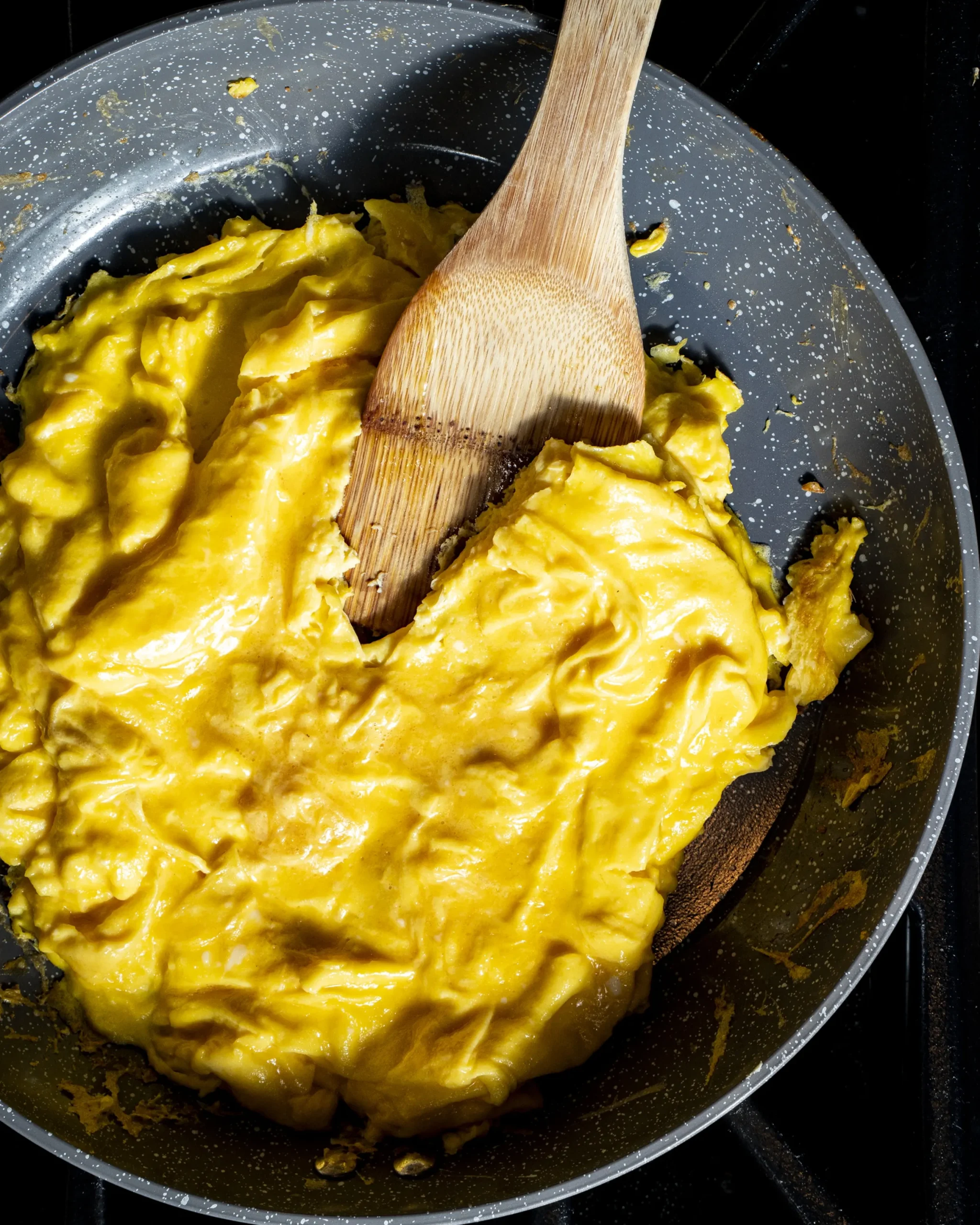
When it comes to breakfast staples, few dishes evoke comfort and versatility quite like fluffy scrambled eggs. Their tender, airy texture makes them a favorite for both casual mornings and elegant brunches. At Love With Recipes, our goal is to help you master the art of creating the perfect fluffy scrambled eggs that are not only delicious but also nutritious and adaptable to your dietary preferences. Achieving the ideal fluffiness involves understanding the science behind the process, selecting quality ingredients, and employing precise cooking techniques that preserve the eggs’ delicate structure. This comprehensive guide will walk you through every aspect of making perfect fluffy scrambled eggs, from equipment and ingredients to tips, tricks, and nutritional insights, ensuring your breakfast game reaches new heights.
Time
Preparing fluffy scrambled eggs is a quick process that can be completed in approximately 7 to 10 minutes. This includes preparation, cooking, and plating time, making it an excellent choice for busy mornings or when you want a satisfying meal in a short span. The actual cooking time is about 3 to 5 minutes, depending on the quantity and heat level. The extra time invested in whisking and seasoning ensures a light, airy texture that elevates this simple dish into a culinary delight.

Needed Equipment
- Non-stick skillet or frying pan: Ensures easy release and even heat distribution, crucial for delicate eggs.
- Whisk or fork: For beating eggs thoroughly to incorporate air and achieve fluffiness.
- Mixing bowls: Preferably medium-sized, for whisking eggs and mixing ingredients.
- Silicone spatula or wooden spoon: Gentle stirring to fold and control the eggs’ texture without breaking the fluffiness.
- Measuring spoons: To add precise amounts of milk or cream and seasonings.
- Grater (optional): For cheese or other toppings.
- Lid or cover (optional): To help retain moisture and achieve uniform cooking if desired.
- Kitchen thermometer (optional): For precise temperature control, especially if you want to experiment with different cooking methods.
- Paper towels or kitchen towel: For wiping spills and maintaining cleanliness during cooking.
Tags
- Breakfast
- Eggs
- Quick & Easy
- Healthy
- Protein-rich
- Comfort Food
- Vegetarian
Serving Size
One serving typically consists of 2 large eggs, which provides a balanced portion suitable for most adults. For larger appetites or additional side dishes, you may increase the quantity accordingly. This recipe can be scaled effortlessly for multiple servings, making it perfect for family breakfasts or brunch gatherings.
Difficulty Level
Intermediate. Achieving perfect fluffy eggs requires a delicate touch, precise temperature control, and proper whisking technique. However, with patience and attention to detail, even novice cooks can master this dish. The key is low and slow cooking combined with thorough whisking to incorporate air and create that signature light texture.
Allergen Information
- Eggs: The primary allergen; individuals with egg allergies should avoid.
- Dairy (if using milk, cream, or cheese): Contains milk proteins; suitable for those with dairy allergies if dairy-free alternatives are used.
Dietary Preference
- Vegetarian: Yes, suitable for ovo-vegetarians.
- Vegan: Not suitable unless plant-based egg substitutes are used.
- Keto & Low-Carb: Yes, if no added bread or high-carb sides.
- Gluten-Free: Naturally gluten-free, provided no gluten-containing ingredients are added.
Course
Main Breakfast Dish / Brunch.
Cuisine
Global, with French influences in technique, but universally loved across diverse cuisines for its simplicity and versatility.
Ingredients
Ingredient Quantities and Details
| Ingredient | Quantity | Notes |
|---|---|---|
| Eggs | 4 large eggs | Fresh and free-range if possible for optimal flavor |
| Milk or Cream | 2 tablespoons | Optional, for extra creaminess |
| Salt | To taste (about 1/4 teaspoon) | Adjust according to preference |
| Pepper | To taste | Freshly ground preferred |
| Butter or Oil | 1 tablespoon | Butter recommended for flavor |
| Cheese (optional) | 1/4 cup grated | Cheddar, Swiss, or your favorite cheese |
| Fresh herbs (optional) | Chopped, for garnish | Chives, parsley, or dill |
Instructions
Step 1: Preparing the Eggs
Crack the eggs into a clean, dry mixing bowl. To ensure the eggs are well-beaten and air is incorporated, whisk vigorously with a fork or a wire whisk for about 30 seconds to a minute, until the mixture is uniform and slightly frothy. This frothing process introduces tiny air bubbles, which are crucial for creating the light, fluffy texture. Incorporate the milk or cream at this stage if using, and season with salt and pepper. Continue whisking until all ingredients are thoroughly combined, and the mixture has a slightly bubbly appearance.
Step 2: Preparing the Cooking Surface and Fat
Place your non-stick skillet over low to medium-low heat. Add the butter or oil, allowing it to melt and coat the pan evenly. Maintaining a gentle heat is essential to prevent the eggs from cooking too quickly or becoming rubbery. The butter should sizzle gently but not burn. This slow, controlled heat ensures the eggs cook evenly and retain their delicate fluffiness.
Step 3: Pouring and Initial Cooking
Once the butter is shimmering but not browned, pour the beaten eggs into the center of the pan. Allow the eggs to sit undisturbed for a few seconds. As the edges begin to set, gently push them towards the center with your spatula, tilting the pan to distribute the uncooked liquid. This gentle folding technique helps create soft curds while maintaining the airy structure. Do not stir vigorously; instead, aim for slow, gentle movements that preserve the eggs’ lightness.
Step 4: Managing the Heat and Texture
Continue cooking on low heat, gently stirring and folding the eggs every 20-30 seconds. This slow process allows moisture to evaporate slowly, resulting in moist, fluffy eggs. If you prefer softer, creamier eggs, remove them from the heat just before they are fully cooked, as residual heat will finish the process. For a slightly firmer texture, cook a bit longer, but always keep the heat low to prevent overcooking.
Step 5: Adding Cheese and Final Touches
If you opted for cheese, sprinkle it over the eggs during the last 30 seconds of cooking. Gently fold the cheese into the eggs, allowing it to melt evenly. For added flavor and presentation, garnish with freshly chopped herbs or additional seasonings. Serve immediately for the best fluffy texture and flavor.
Preparation Tips
- Use fresh eggs: Fresh eggs yield better texture and flavor.
- Whisk thoroughly: Incorporate air to achieve maximum fluffiness.
- Low and slow: Cooking eggs over low heat prevents curdling and maintains tenderness.
- Gentle folding: Avoid vigorous stirring to preserve the airy structure.
- Experiment with ingredients: Add herbs, spices, or cheese for variety.
- Serve immediately: Fluffy eggs are at their peak when freshly cooked.
Nutritional Information
| Nutrient | Per Serving (2 eggs) |
|---|---|
| Calories | 140 kcal |
| Protein | 12 g |
| Total Fat | 10 g |
| Saturated Fat | 3 g |
| Cholesterol | 370 mg |
| Carbohydrates | 1 g |
| Dietary Fiber | 0 g |
| Sugars | 1 g |
| Vitamin A | 15% DV |
| Vitamin D | 20% DV |
| Vitamin B12 | 25% DV |
| Riboflavin (Vitamin B2) | 35% DV |
| Phosphorus | 15% DV |
| Selenium | 30% DV |
Tips and Tricks
- For extra fluffiness: Incorporate an additional egg white or whip the eggs separately before combining.
- Use a silicone spatula: Gentle scraping helps lift and fold eggs without breaking their structure.
- Control temperature: Always cook over low heat; high heat leads to tough eggs.
- Cover the pan: For uniformly cooked eggs, cover the skillet for the last minute to trap moisture.
- Serve with toppings: Fresh herbs, hot sauce, or avocado can elevate your dish.
Add-ons
- Cheese varieties: Feta, goat cheese, or pepper jack for different flavor profiles.
- Vegetables: Diced tomatoes, spinach, mushrooms, or bell peppers for a nutritious boost.
- Meats: Cooked bacon, ham, or smoked salmon for a protein-packed twist.
- Spices: Paprika, cayenne, or turmeric for added flavor and color.
Side Dishes
- Whole grain toast or sourdough bread
- Sautéed spinach or kale
- Fresh fruit salad or berries
- Hash browns or breakfast potatoes
- Yogurt or cottage cheese
Improvements
- Adding dairy-free alternatives: Use almond milk, coconut cream, or dairy-free cheese for vegan or lactose-free options.
- Flavor infusions: Incorporate garlic, hot sauce, or herbs into the eggs while whisking for unique taste profiles.
- Cooking tech: Try sous-vide methods for ultra-smooth, perfectly cooked eggs.
- Presentation: Serve in a ramekin or top with edible flowers for a refined look.
Save and Store
Freshly cooked fluffy scrambled eggs are best enjoyed immediately. If you have leftovers, store them in an airtight container in the refrigerator for up to 24 hours. To reheat, gently warm in a non-stick skillet over low heat, stirring constantly to restore some of the fluffiness. Avoid microwaving, as it can make eggs rubbery and dense. For best results, prepare eggs fresh for each meal, but if necessary, this method preserves their texture as much as possible.
FAQ
Can I prepare scrambled eggs ahead of time?
While freshly cooked eggs are ideal, you can prepare and store scrambled eggs briefly. Reheat gently over low heat, stirring constantly, to maintain their fluffy texture. However, they tend to lose some of their airiness once cooled.
What if I don’t have a non-stick skillet?
You can use a well-seasoned cast iron skillet or a ceramic pan, but ensure to use enough butter or oil to prevent sticking. Proper heat management remains critical to achieve fluffy eggs.
How can I make vegan fluffy scrambled eggs?
Vegan alternatives include chickpea flour, silken tofu, or commercial egg replacers. Whisk these with plant-based milk and seasonings, then cook gently over low heat, stirring carefully, to mimic the fluffy texture of traditional eggs.
What are some common mistakes to avoid?
- Cooking over high heat, which causes tough eggs.
- Over-whisking, leading to overly dense eggs.
- Cooking eggs too quickly; patience results in better fluffiness.
- Using cold eggs directly from the fridge without tempering or warming slightly.
Conclusion
Mastering the art of fluffy scrambled eggs elevates a humble breakfast into a luxurious and satisfying experience. The secret lies in thorough whisking, gentle heat, and patience during cooking. With these techniques, you can customize your eggs with a variety of ingredients and flavors, ensuring each serving is a delightful testament to your culinary skill. The key to success is understanding the science behind the fluffiness—air incorporation, temperature control, and gentle handling—and applying these principles meticulously. Whether you’re preparing a quick breakfast or a sophisticated brunch, fluffy scrambled eggs from Love With Recipes will always impress and nourish. Remember, practice makes perfect, so don’t hesitate to experiment with different ingredients and techniques to find your preferred style. Enjoy your fluffy, tender eggs and start your day on a delicious note!