

Introduction
At the heart of Mediterranean cuisine lies an array of vibrant, flavorful spreads that elevate simple ingredients into culinary masterpieces. Among these, olive tapenade stands out as a quintessential example of how humble ingredients like olives, herbs, and oils can be transformed into a sophisticated, savory condiment that complements a multitude of dishes. The Green and Black Olive Tapenade, as featured on lovewithrecipes.com, epitomizes this art, combining the briny, earthy flavors of green and black olives with aromatic citrus zest, anchovies, fresh herbs, and high-quality olive oil to create an irresistible spread. This recipe is not only quick and easy but also incredibly versatile, making it perfect for entertaining guests, enhancing your cheese platter, or simply indulging in a flavorful snack at home.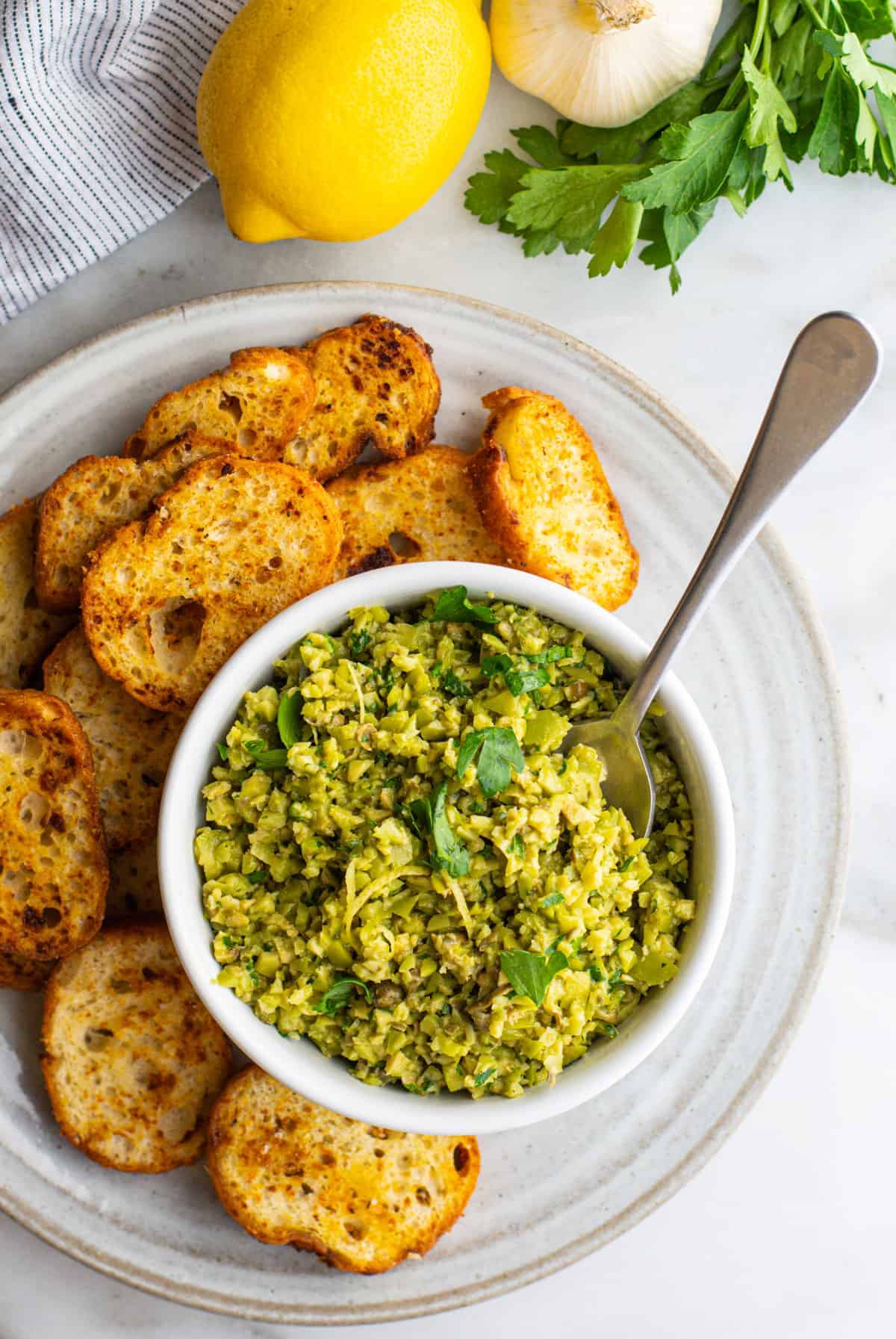
By exploring the nuanced balance between the salty, tangy, and umami elements, this tapenade delivers a complex, layered taste experience. The inclusion of citrus zest introduces brightness and freshness, while anchovies deepen the savory profile. Fresh parsley adds a hint of herbal vibrancy, complementing the richness of the olives and oil. The final result is a luscious, textured spread that can be served as an appetizer, accompaniment, or even a flavor enhancer for grilled meats and vegetables. Whether you’re a seasoned chef or a home cook, mastering this olive tapenade will add a delightful, gourmet touch to your culinary repertoire.

Estimated Preparation Time
This recipe requires approximately 10 minutes for preparation. However, for the full flavor development, it’s recommended to allow the tapenade to chill in the refrigerator for at least 3 hours, or preferably overnight. The total active time, including chilling, is around 3 hours and 10 minutes. Patience during the resting period ensures the flavors meld seamlessly, resulting in a richer, more complex taste profile.
Needed Equipment
- Food processor or high-powered blender: For blending ingredients to the desired consistency.
- Cutting board: To chop herbs and prepare ingredients.
- Chef’s knife: For mincing garlic, chopping parsley, and preparing anchovies.
- Measuring spoons: For precise measurement of zest, oil, and seasonings.
- Measuring cups: To measure olives, oil, and other liquids.
- Microplane or fine grater: For zesting citrus fruits.
- Spatula or spoon: To transfer and mix the tapenade.
- Glass jar or airtight container: For storing the finished tapenade.
- Refrigerator: For chilling the tapenade and allowing flavors to develop.
Tags
Olive Tapenade, Mediterranean, Appetizer, Spread, Vegan-friendly, Gluten-Free, Quick & Easy, Vegetarian, Healthy, Flavorful, Homemade, Gourmet
Serving Size
Serves approximately 8-10 people as a spread or appetizer. A typical serving size is about 2 tablespoons per person, which provides a flavorful, satisfying bite that pairs beautifully with bread and other accompaniments.
Difficulty Level
This recipe is classified as Easy. It requires basic knife skills, familiarity with using a food processor, and simple assembly. No advanced techniques or lengthy procedures are necessary, making it accessible for cooks of all skill levels.
Allergen Information
- Contains fish (anchovies).
- Contains tree nuts or seeds if using certain types of olives or oils (check labels).
For those with seafood allergies or following a vegetarian/vegan diet, omit the anchovies or substitute with capers for a similar umami flavor.
Dietary Preference
This recipe is suitable for vegetarian diets, but not vegan unless anchovies are omitted or replaced. It is gluten-free, dairy-free, and packed with healthy fats from olives and olive oil, making it suitable for low-carb and keto diets as well.
Course
Appetizer, Snack, Spread
Cuisine
Mediterranean, Italian, Provençal
Ingredients
| Ingredient | Quantity |
|---|---|
| Green olives, pitted | 1 1/2 cups (about 150 grams) |
| Black olives, pitted | 1 1/2 cups (about 150 grams) |
| Fresh lemon zest | 2 teaspoons |
| Orange zest | 2 teaspoons |
| Anchovy fillets | 2 fillets |
| Garlic cloves, minced | 2 cloves |
| Fresh Italian parsley, finely chopped | 2 tablespoons |
| High-quality extra virgin olive oil | 1/2 cup (120 ml) |
| Freshly ground black pepper | To taste |
Instructions
Step 1: Prepare the ingredients
Begin by gathering all your ingredients and preparing them for blending. Pit the olives if they are not already pitted. Rinse the green and black olives under cold water and drain thoroughly. Mince the garlic cloves finely, ensuring they’re almost minced to a paste consistency for smooth blending. Zest the lemon and orange using a microplane or fine grater, taking care to avoid the bitter white pith. Finely chop the fresh parsley and set aside. Carefully remove the anchovy fillets from their packaging, pat dry with paper towels, and chop them into small pieces.
Step 2: Combine the ingredients
In the bowl of your food processor or blender, add the pitted green and black olives. To these, add the minced garlic, chopped anchovies, lemon zest, orange zest, and chopped parsley. The ingredients should be measured precisely to maintain the balance of flavors. For an authentic Mediterranean flavor, use high-quality extra virgin olive oil, which will serve as the binder and enhance the overall richness of the tapenade.
Step 3: Blend to desired consistency
Pulse the mixture several times, scraping down the sides of the bowl or blender with a spatula in between pulses. Continue pulsing until the mixture reaches your preferred texture. For a chunky tapenade, pulse fewer times; for a smoother spread, blend longer. Be cautious not to over-process if you prefer a coarse texture, as this adds a delightful bite, but if you like it very smooth, blend until it resembles a paste. The consistency should be thick yet spreadable, with some small bits of olive for texture.
Step 4: Incorporate the olive oil and seasonings
With the processor running, slowly drizzle in the olive oil. This ensures even distribution and helps the mixture emulsify into a luscious spread. Season with freshly ground black pepper to taste; avoid adding salt initially, as olives and anchovies are naturally salty. Taste the tapenade and adjust seasoning if necessary, adding more pepper or citrus zest for brightness.
Step 5: Transfer and chill the tapenade
Using a spatula, transfer the finished tapenade into a clean glass jar or airtight container. Cover tightly with a lid or plastic wrap. For optimal flavor development, refrigerate the tapenade for at least 3 hours, or overnight if possible. During this time, the flavors meld and intensify, creating a depth of taste that is far superior to immediate consumption. Remember, the longer it rests, the more the flavors marry, so exercise patience for the best results.
Preparation Tips
- Select high-quality olives: The flavor of your tapenade hinges on the quality and flavor profile of the olives used. Opt for firm, ripe, and flavorful olives, preferably organic or from reputable sources.
- Adjust texture: The texture can be customized based on personal preference. For a chunkier tapenade, pulse fewer times. For a smoother version, process longer, but avoid over-processing to prevent a pasty consistency.
- Add extra herbs: While parsley is traditional, you can experiment with basil, thyme, or oregano for additional flavor nuances.
- Balance acidity: If you prefer a tangier tapenade, add a splash of lemon juice or a few more citrus zest teaspoons during blending.
Nutritional Information
| Nutrient | Per Serving (approx. 2 tbsp) |
|---|---|
| Calories | 110 kcal |
| Protein | 1.2 grams |
| Fat | 11 grams |
| Saturated Fat | 1.5 grams |
| Carbohydrates | 3 grams |
| Fiber | 1 gram |
| Sodium | 280 mg |
| Sugar | 0.2 grams |
Tips and Tricks
- Use fresh herbs: Fresh parsley or alternative herbs provide vibrant flavor; dried herbs are not recommended for the best taste.
- Customize the saltiness: Adjust salt and seasoning based on the saltiness of your olives and anchovies to prevent over-salting.
- Make ahead: Prepare the tapenade a day in advance to allow flavors to deepen. It also makes for a stress-free serving experience.
- Serving temperature: Serve the tapenade chilled or at room temperature, depending on your preference. Chilling enhances flavor melding.
Add-ons
- Capers: For an extra umami punch, add a tablespoon of capers during blending.
- Sun-dried tomatoes: Incorporate a few for a smoky, sweet contrast.
- Red pepper flakes: For a spicy kick, add a pinch during blending.
- Leeks or shallots: For added sweetness and depth, sauté and include during blending.
Side Dishes and Pairings
- Baguette slices: Toasted or fresh, perfect for spreading.
- Crackers: Light, crisp crackers complement the tapenade well.
- Vegetable sticks: Carrot, cucumber, and celery sticks provide a crunchy, fresh pairing.
- Cheese platter: Pair with aged cheeses like Manchego, Parmesan, or goat cheese for a gourmet experience.
- Grilled meats and seafood: Use as a condiment to enhance flavors.
Improvements and Variations
- Vegan version: Omit anchovies or replace them with capers or nutritional yeast for umami depth.
- Spicy version: Add a dash of hot sauce or red pepper flakes.
- Herb variations: Switch parsley for basil, cilantro, or oregano for different flavor profiles.
- Texture adjustments: Use a coarse chop for a rustic feel or blend until smooth for a refined spread.
Saving and Storing
Transfer the tapenade into an airtight container or sterilized glass jar. Cover with a thin layer of olive oil to prevent oxidation and extend shelf life. Store in the refrigerator for up to one week. For longer storage, freeze in small portions using ice cube trays or freezer-safe containers for up to 3 months. Thaw in the refrigerator and bring to room temperature before serving for optimal flavor and texture.
Frequently Asked Questions (FAQs)
Can I use canned olives instead of fresh-pitted ones?
Yes, canned olives are a convenient alternative. Just drain and rinse thoroughly to remove excess brine, which can be overly salty. Fresh, quality olives will yield the best flavor, but canned olives work perfectly in a pinch.
Can I omit the anchovies?
Absolutely. Omitting anchovies will make the tapenade vegetarian and vegan-friendly. To compensate for the umami flavor, consider adding a teaspoon of soy sauce or miso paste, or use capers as a substitute.
Is this recipe suitable for people with seafood allergies?
Since anchovies are included, this recipe is not safe for those with seafood allergies. Omit the anchovies or replace with plant-based umami enhancers if needed.
What are the best types of olives to use?
Use ripe, flavorful olives. Kalamata, Castelvetrano (green), or Gaeta olives are excellent choices. The flavor varies depending on the type, so choose based on your taste preference.
How can I make this tapenade milder or spicier?
Adjust the amount of citrus zest for brightness or add chili flakes or hot sauce to introduce heat. Always start with small quantities and taste as you go.
Conclusion
This Green and Black Olive Tapenade exemplifies the elegance of Mediterranean flavors combined into a simple, yet unforgettable spread. Its harmonious blend of briny olives, zesty citrus, savory anchovies, and fragrant herbs creates a versatile condiment that can elevate a humble piece of bread or serve as a sophisticated addition to your culinary creations. The ease of preparation, coupled with the depth of flavor that develops with a little patience, makes this recipe a must-try for food enthusiasts and home cooks alike. As shared on lovewithrecipes.com, this tapenade promises to delight your taste buds and impress your guests with minimal effort and maximum flavor.
References
- Olive Oil Times. “The Art of Making Tapenade.” https://www.oliveoiltimes.com
- Williams Sonoma. “Mediterranean Tapenade Variations.” https://www.williams-sonoma.com