

Introduction
Embark on a culinary journey back to the 18th century with this authentic Shield’s Tavern Herb Dressing, a cherished recipe that encapsulates the flavors and traditions of colonial Williamsburg’s historic tavern life. This dressing, steeped in history and passed down through generations, offers a vibrant blend of herbs and aromatic spices that elevate any salad, vegetable dish, or even grilled meats. As you prepare this recipe, you not only bring a piece of colonial heritage to your modern table but also indulge in a dressing that embodies the simplicity and richness of early American cuisine. Perfect for special occasions like Thanksgiving, brunch gatherings, or casual weeknight dinners, this herb dressing is a versatile and flavorful addition that resonates with the tastes of yesteryear, making every meal an experience to remember. Developed and curated by the culinary experts at Love With Recipes, this recipe invites you to explore history through food, combining authentic ingredients with timeless techniques for a truly memorable dining experience.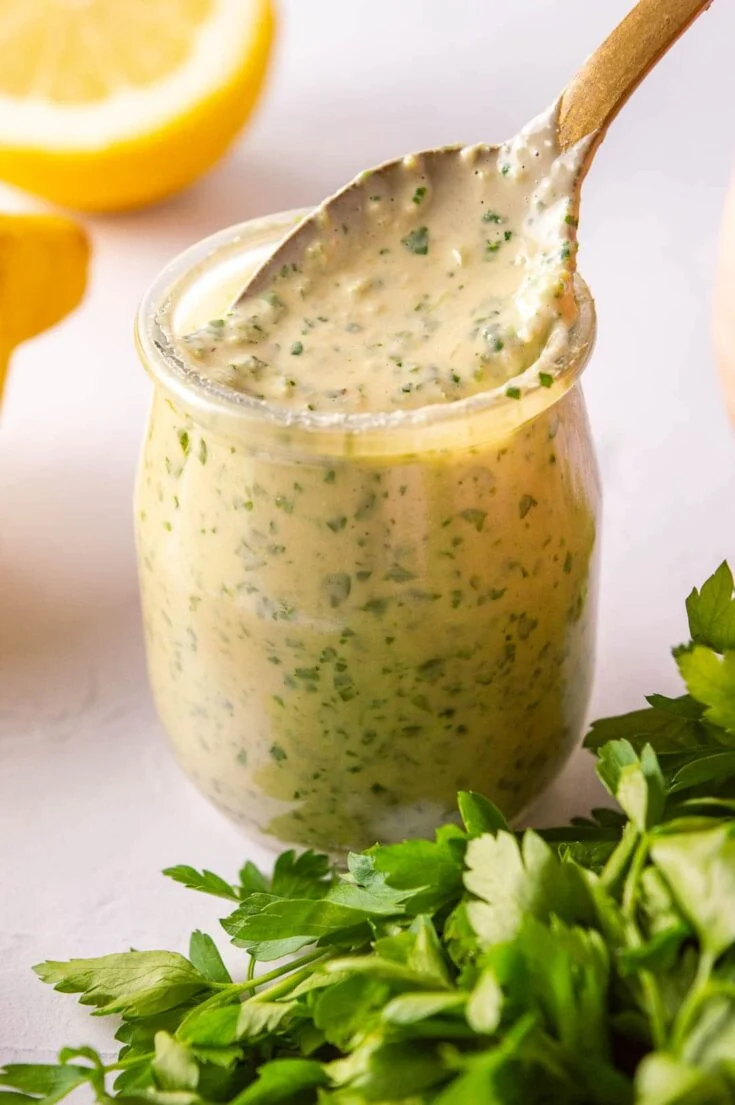
Time
Preparation Time
The initial preparation of this herb dressing takes approximately 5 minutes. During this time, you will gather your ingredients, measure, and combine them to create the base of the dressing. This quick prep allows you to enjoy a flavorful, homemade dressing with minimal effort.

Cooking and Chilling Time
Although the dressing requires no cooking in the traditional sense, it benefits greatly from a chilling period of at least one hour. This step, which involves refrigerating the mixture to allow flavors to meld and develop fully, adds approximately 1 hour to the overall process. The total time from start to finish, including chilling, is approximately 1 hour and 5 minutes.
Needed Equipment
- Mixing bowls: A medium-sized stainless steel or glass bowl for combining ingredients.
- Whisk: A high-quality balloon whisk for emulsifying the dressing smoothly.
- Measuring spoons: Accurate measurement of spices, vinegar, and oils.
- Measuring cups: To measure olive oil and vinegar precisely.
- Refrigerator: For chilling the dressing to develop full flavor.
- A small jar or airtight container: Optional, for storing the dressing after preparation.
- Fine sieve or strainer (optional): For ensuring smoothness if desired.
Tags
Herb Dressing, Colonial Williamsburg, Historical Recipes, Thanksgiving, Brunch, Salad Dressing, Homemade, Authentic, Cultural Heritage, Old-Fashioned, Heritage Cooking, Family Recipe, Traditional Cuisine
Serving Size
This recipe yields approximately 2 ½ cups of herb dressing, enough to serve about 8 to 10 people as a salad dressing or marinade, depending on usage. For individual servings, plan on about 2 to 3 tablespoons per person.
Difficulty Level
Easy — This recipe involves simple mixing and whisking techniques, making it accessible for cooks of all skill levels. The key to success lies in emulsifying the oil gradually and allowing the flavors to meld during chilling, which are straightforward steps suitable for beginners and seasoned chefs alike.
Allergen Information
This recipe contains raw egg yolk, which is a common allergen. Individuals with egg allergies should avoid this dressing or substitute with an egg-free alternative such as mayonnaise or a plant-based emulsion. Additionally, the recipe includes mustard and possible traces of gluten if mustard contains gluten ingredients, so celiacs or gluten-sensitive individuals should verify ingredient labels. Olive oil is generally safe for most diets, but those with sensitivities should choose their preferred type.
Dietary Preference
This herb dressing is suitable for omnivorous diets. It can be adapted for vegetarian diets by ensuring no animal-derived ingredients are added beyond the egg yolk. For vegan adaptations, omit the egg yolk or replace it with a suitable plant-based binder, such as silken tofu blended with lemon juice, or commercial egg replacers.
Course
Appetizer accompaniment, salad dressing, marinade, or finishing sauce. This versatile dressing complements a wide range of dishes, from leafy greens to roasted vegetables and grilled proteins.
Cuisine
American Colonial, Heritage Cuisine, Colonial Williamsburg.
Ingredients
Ingredient Quantities and Details
| Ingredient | Quantity | Details |
|---|---|---|
| Black pepper | 1 teaspoon | Freshly ground preferred for maximum flavor. |
| Salt | 1 teaspoon | Sea salt or kosher salt for purer flavor. |
| Dijon mustard | 1 teaspoon | Creates emulsification and adds a tangy note. |
| Red wine vinegar | 1 tablespoon | Provides acidity and depth. |
| Cider vinegar | 1 tablespoon | Sweet and tangy flavor profile that complements herbs. |
| Olive oil | 1/3 cup (about 80 ml) | Extra virgin preferred for rich flavor. |
| Curry powder | 1/2 teaspoon | Adds subtle warmth and complexity. |
| Dried thyme | 2 teaspoons | Herb that provides a fragrant, earthy aroma. |
| Dried oregano | 1 teaspoon | Complements thyme and adds a savory note. |
| Egg yolk | 1 | Large, fresh egg yolk for emulsification. |
Instructions
Step 1: Prepare the Base
Begin by gathering all ingredients and measuring them precisely. In a clean mixing bowl, combine the black pepper, salt, Dijon mustard, and egg yolk. Use a whisk to blend these ingredients thoroughly until they form a smooth, homogeneous mixture. The Dijon mustard acts as an emulsifier, helping to stabilize the dressing as you incorporate the oil.
Step 2: Incorporate the Vinegars
Add the red wine vinegar and cider vinegar to the mixture. Whisk vigorously to combine all acidic components evenly into the base. This step ensures that the dressing has a balanced tang and that the flavors are well integrated.
Step 3: Emulsify the Olive Oil
Slowly and steadily, begin to add the olive oil in a thin, steady stream while continuously whisking. This gradual addition is crucial because it allows the oil to emulsify with the vinegar mixture, creating a creamy, cohesive dressing. If you add the oil too quickly, the dressing may break or separate, compromising its smooth texture.
Step 4: Infuse with Herbs and Spices
Once the oil is fully incorporated and the dressing has achieved a thick consistency, whisk in the curry powder, dried thyme, and dried oregano. These herbs and spices will infuse the dressing with aromatic flavors characteristic of colonial herb blends. Allow the mixture to sit briefly while you prepare for chilling.
Step 5: Chill and Meld Flavors
Transfer the dressing to an airtight container or jar. Place it in the refrigerator and let it chill for at least one hour. This resting period allows the herbs and spices to fully release their flavors, resulting in a more harmonious and complex dressing. During this time, the acidity will balance with the herbs, creating a well-rounded profile reminiscent of colonial tavern fare.
Preparation Tips
- Ensure all utensils and bowls are clean and dry to prevent unintended separation.
- If raw egg yolk is a concern, particularly for pregnant women, consider using pasteurized eggs or making a mayonnaise-based version as a substitute.
- Adjust the amount of vinegar to taste; more vinegar yields a tangier dressing, while less results in a milder profile.
- For a more intense herbal flavor, you can increase the dried herbs slightly or add fresh herbs just before serving.
- Use high-quality extra virgin olive oil for the best flavor and texture.
Nutritional Information
| Nutrient | Per Serving | % Daily Value |
|---|---|---|
| Calories | 1566.4 kcal | N/A |
| Fat | 174.7 g | 268% |
| Saturated Fat | 24.5 g | 122% |
| Cholesterol | 75.5 mg | 25% |
| Sodium | 962.5 mg | 42% |
| Carbohydrates | 2.6 g | 1% |
| Fiber | 1.1 g | 4% |
| Sugar | 0.3 g | 1% |
| Protein | 1.3 g | 3% |
Tips and Tricks
- Slow oil incorporation: Always add the oil gradually to ensure a stable emulsion, preventing the dressing from breaking.
- Herb variations: Feel free to experiment with additional herbs like parsley, tarragon, or chives to customize the flavor profile.
- Flavor enhancement: For a deeper savory taste, add a touch of minced garlic or shallots during the initial mixing stage.
- Adjust acidity: Balance the dressing’s tanginess by varying the vinegar quantities or adding a splash of lemon juice.
- Storage: Keep the dressing refrigerated in an airtight container. Shake well before each use, as natural separation may occur.
Add-ons
- Chopped fresh herbs such as parsley, chives, or basil for added freshness.
- A dash of honey or maple syrup to mellow the acidity if preferred.
- Crumbled blue cheese or feta for a tangy, creamy twist.
- Finely minced garlic or shallots for more depth.
Side Dishes
- Fresh mixed greens salad with sliced radishes and cucumbers.
- Roasted root vegetables drizzled with herb dressing.
- Grilled chicken or fish topped with this herb dressing for an elegant touch.
- Cheese platters with rustic bread and this herbal dressing as a dip.
Improvements
- Replace raw egg yolk with mayonnaise or a vegan mayonnaise for a safer, shelf-stable alternative.
- Add a splash of lemon juice or orange zest for brighter acidity and citrus aroma.
- Incorporate toasted nuts or seeds for texture and flavor.
- Use fresh herbs instead of dried for a more vibrant, aromatic profile.
Save and Store
Store the finished herbal dressing in an airtight jar or container in the refrigerator for up to 3 days. Due to the raw egg yolk, it’s best to consume within this period for optimal freshness and safety. Always shake or whisk the dressing before serving to recombine ingredients, especially after storage. If you notice separation, simply give it a vigorous whisk or shake to restore its creamy consistency.
FAQ
Can I make this dressing vegan?
Yes. Substitute the raw egg yolk with a plant-based mayonnaise or a blended silken tofu mixture seasoned with lemon juice and herbs. This adjustment maintains the creaminess and flavor profile while catering to vegan diets.
Is it safe to eat raw egg yolk?
Raw egg yolks carry a risk of salmonella. To mitigate this, use pasteurized eggs or opt for egg-free alternatives like mayonnaise or vegan mayonnaise. For traditional authenticity, the recipe calls for fresh, high-quality eggs, but safety should always come first.
Can I freeze this dressing?
Due to the emulsified nature and the presence of raw egg yolk, freezing is not recommended as it may cause separation and texture changes. Prepare fresh for best results.
What variations can I try?
Experiment with different herbs, add minced garlic, or include a teaspoon of honey for sweetness. For a tangier profile, increase vinegar or add lemon zest. For a more robust flavor, incorporate anchovy paste or capers.
Conclusion
This Shield’s Tavern Herb Dressing offers a delightful taste of colonial history, combining aromatic herbs and vibrant acids into a silky, flavorful dressing. Whether drizzled over a simple green salad or used as a marinade for grilled meats, it brings a touch of heritage to contemporary tables. The process emphasizes traditional techniques like slow emulsification and flavor infusion, resulting in a dressing that is as elegant as it is authentic. With proper storage and a few optional enhancements, this dressing can become a staple in your culinary repertoire, allowing you to enjoy the tastes of colonial Williamsburg anytime. Remember, at Love With Recipes, our goal is to help you recreate history through food—so savor each bite and celebrate the rich culinary heritage this recipe embodies.
References
- Williamsburg Colonial Recipes Archive, Colonial Williamsburg Foundation.
- Old-Fashioned American Dressings, Historic Foodways Studies, 2021.