

Introduction
Rice pudding has long been cherished around the world as a comforting, versatile dessert that combines the hearty texture of rice with the lusciousness of creamy milk and the warmth of spices. This stove-top rice pudding recipe, shared exclusively through the Love With Recipes platform, exemplifies a classic approach that emphasizes simplicity, rich flavors, and an endearing homemade touch. It’s a recipe rooted in tradition yet adaptable to personal preferences, making it ideal for cozy family dinners, special occasions, or even a nourishing breakfast when served warm or chilled.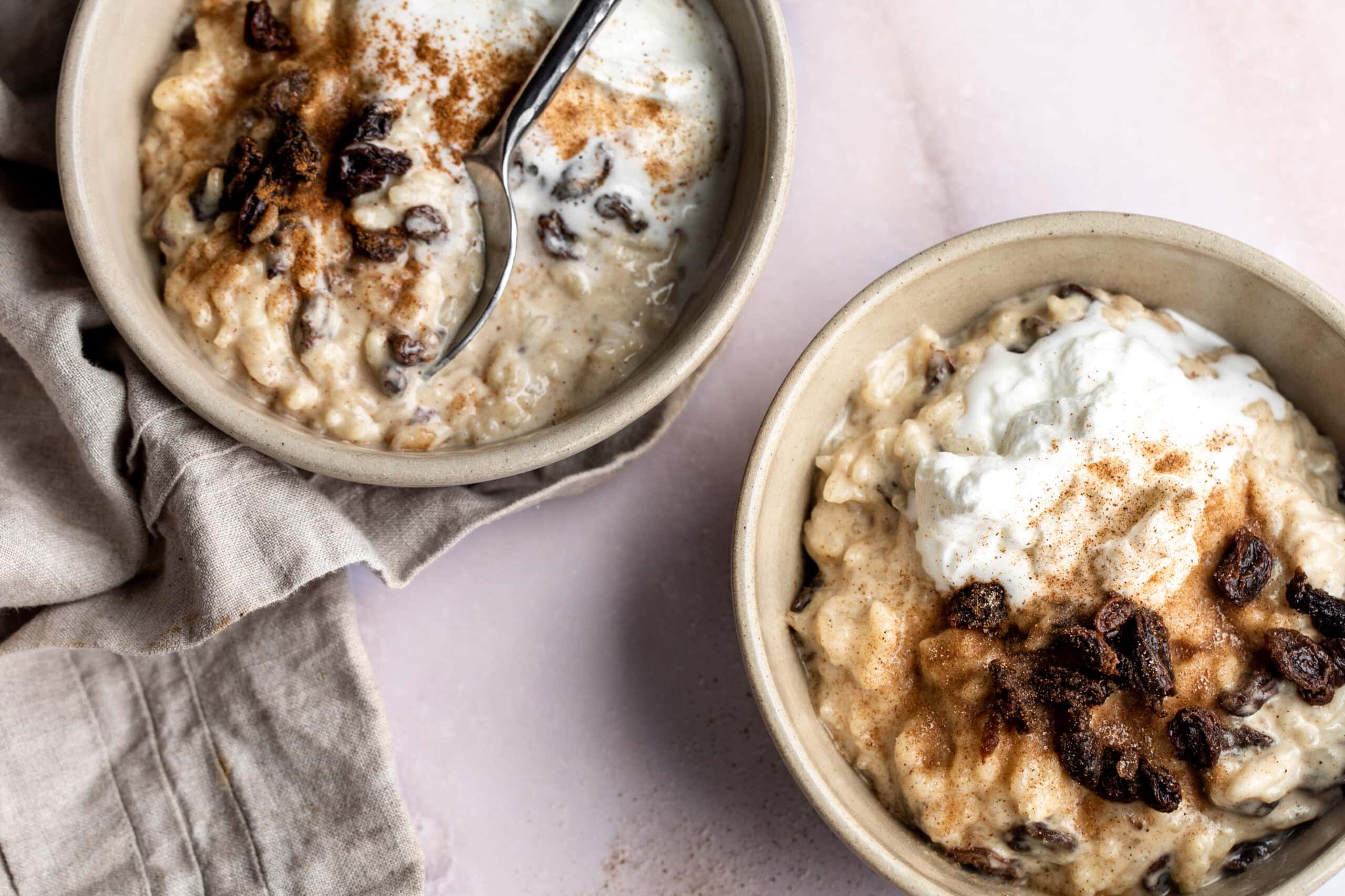
Originating from a treasured cookbook find, this particular rice pudding stands out due to its balanced combination of ingredients—plump raisins, aromatic cinnamon, fresh lemon zest, and a creamy finish. The method underscores gentle simmering, careful tempering of eggs, and mindful stirring, ensuring a smooth, velvety texture without any lumps or curdling. The result is a dessert that embodies comfort, elegance, and timeless appeal, perfect for those who appreciate the nuanced flavors of homemade treats.

Time
Total preparation and cooking time: approximately 40 minutes
- Prep Time: 10 minutes
- Cook Time: 30 minutes
Needed Equipment
To achieve the best results with this stove-top rice pudding, you’ll need a selection of dedicated kitchen tools. Each piece plays a vital role in ensuring the recipe’s success, from precise temperature control to proper mixing and serving.
Essential Equipment List
- Medium-sized heavy-bottomed saucepan: Ensures even heat distribution and prevents scorching during simmering.
- Wooden or silicone spatula: Ideal for stirring constantly without scratching the pan or breaking down the rice.
- Measuring cups and spoons: Accurate measurement of liquids and spices is crucial for consistency.
- Mixing bowls: For whisking egg yolks and combining cream and sugar.
- Whisk: To beat egg yolks smoothly and incorporate ingredients thoroughly.
- Fine mesh sieve or strainer (optional): For removing the lemon rind and cinnamon stick after cooking.
- Serving dishes or ramekins: To present the pudding elegantly, whether warm or chilled.
- Thermometer (optional): For precise temperature control when tempering eggs.
- Cover or aluminum foil: For gentle simmering or to prevent evaporation during cooking.
Tags
Comforting, Classic, Dessert, Custard, Homemade, Kid-friendly, Family Favorite, Easy, Healthy options, Vegetarian
Serving Size
Serves approximately 4 generous portions, suitable for family dessert or brunch sharing.
Difficulty Level
Intermediate: This recipe requires attentive stirring, gentle simmering, and careful egg tempering, making it suitable for home cooks with some experience in stovetop cooking and custard making.
Allergen Information
- Contains: Dairy (cream, eggs)
- May contain traces of: Nuts (if cross-contaminated), gluten (if prepared with gluten-containing ingredients in other variations)
Dietary Preference
Vegetarian; can be made vegan by substituting dairy with plant-based alternatives such as coconut cream and vegan egg replacers.
Course
Dessert, Sweet Breakfast, Snack
Cuisine
Global, with roots in European, Middle Eastern, and Asian culinary traditions.
Ingredients in Tables
| Quantity | Ingredient |
|---|---|
| 2 1/2 cups | water |
| 1/2 cup | seedless raisins |
| Pinch | salt |
| 1 | cinnamon stick |
| 1 strip | fresh lemon rind |
| 1 cup | long grain rice |
| 1 1/2 cups | cream |
| 1/2 cup | sugar |
| 2 | egg yolks |
| 1/2 teaspoon | vanilla extract |
| 1/2 teaspoon | ground cinnamon |
Instructions
1. Prepare the Base
Begin by assembling your flavor base. In a medium-sized heavy-bottomed saucepan, combine the water, seedless raisins, a pinch of salt, the cinnamon stick, and the lemon rind. The choice of ingredients here is deliberate: raisins add natural sweetness and chewiness, while the cinnamon and lemon zest infuse the pudding with aromatic warmth and brightness. Turn on the stove to medium-high heat, bringing this mixture to a gentle boil. Stir occasionally to prevent the raisins from sticking to the bottom of the pan and to help distribute heat evenly. This initial boiling stage allows the flavors to meld, and the raisins to plump up, absorbing the water’s heat and flavor.
As the mixture boils, observe the aroma that begins to fill your kitchen—warm, spicy, with hints of citrus. This is a sign that your flavor base is forming a fragrant foundation for the pudding. Once a vigorous boil is achieved, reduce the heat to low, and cover the saucepan with a lid or a piece of foil to maintain gentle simmering.
2. Add the Rice
After the base has simmered for about 5 minutes, stir in the long grain rice. This is a critical step because the rice acts as the backbone of the pudding, providing texture and substance. Long grain rice is preferred here for its ability to stay separate and not become overly mushy, ensuring a pleasant, tender bite. Stir the rice into the flavored liquid, then cover the saucepan again, maintaining a low simmer. Cook for approximately 20 minutes, stirring gently every 5 minutes to prevent sticking and ensure even cooking.
During this period, the rice absorbs the infused water, swelling and becoming tender. The liquid should reduce gradually, leaving a slightly thickened mixture with a faint aroma of cinnamon and lemon. The rice pudding’s consistency at this stage is still somewhat loose but will thicken further once the cream and eggs are added and cooked.
3. Incorporate the Cream and Sugar
While the rice simmers, prepare your creamy component. In a small mixing bowl, pour in the cream and add the sugar. Whisk vigorously until the sugar dissolves completely, creating a sweet, luscious mixture. This step ensures the sugar integrates smoothly without lumps, and the cream is evenly sweetened. The cream adds richness, velvety texture, and smoothness to the final pudding, elevating it from a simple rice dish to a decadent dessert.
Once the cream and sugar are well combined, slowly pour this mixture into the simmered rice and raisin base. Stir continuously to incorporate it evenly, which prevents the cream from curdling or separating. Continue to cook over low heat, stirring gently but consistently, allowing the mixture to simmer and thicken into a creamy, luscious consistency. Be patient during this stage; it may take around 7-10 minutes for the pudding to reach the desired thickness, characterized by a gentle, velvety coating on the back of a spatula.
4. Thicken the Pudding
As the mixture thickens, it begins to resemble a custard—smooth, shiny, and inviting. Keep stirring to prevent the rice from sticking to the bottom of the pan and ensure uniform heat distribution. The pudding should be thick enough to mound slightly on a spoon but still fluid enough to pour or spoon into serving dishes. Remember, the pudding will thicken further upon cooling, so aim for a slightly runnier consistency at this stage.
5. Temper the Eggs
Eggs are the key to adding structure and richness, but they require careful handling. In a small bowl, whisk the egg yolks thoroughly until smooth. To prevent curdling, gently temper the eggs by adding a spoonful of the hot rice mixture into the yolks, whisking constantly to raise their temperature gradually. This process stabilizes the eggs and ensures they incorporate seamlessly into the pudding without scrambling.
6. Combine Everything and Finish Cooking
Once the eggs are tempered, slowly pour the yolk mixture back into the saucepan with the remaining rice pudding. Stir continuously, maintaining a gentle simmer over medium-low heat. This process thickens the pudding further, creating that signature velvety texture. It’s important not to boil vigorously at this stage, as high heat can cause the eggs to curdle. Cook for about 1 minute, or until the pudding is thick enough to coat the back of a spoon.
7. Final Touches
Remove the saucepan from heat. Carefully take out the cinnamon stick and lemon rind—these are flavor-infusing elements that should be discarded at this point. Stir in the vanilla extract, which adds a warm, aromatic note to the pudding. Taste and adjust sweetness if necessary, adding a pinch more sugar if desired.
8. Serve and Garnish
Pour the pudding into individual serving dishes or ramekins. You can serve this dish warm for a cozy, comforting experience or chilled for a refreshing, dessert-style treat. Before serving, sprinkle a pinch of ground cinnamon over each portion for an extra aromatic touch and visual appeal. For added elegance, consider topping with whipped cream, a drizzle of caramel sauce, or fresh fruit such as berries or sliced peaches.
Preparation Tips
- Choose the right rice: Long grain rice is optimal for its ability to stay fluffy and not over-mush as it cooks, ensuring a pleasing texture.
- Control the heat: Maintain a gentle simmer to prevent rice from breaking down or sticking to the pan. Low and slow is key in custard-like recipes.
- Stir frequently: Regular stirring prevents sticking, burning, and ensures even cooking, especially as the mixture thickens.
- Egg tempering: Always temper eggs slowly with hot liquid to prevent curdling, a critical step in custard preparation.
- Adjust sweetness: Taste the pudding before serving and add more sugar if you prefer a sweeter result.
- Cooling: This pudding can be enjoyed warm or chilled. Allow it to cool slightly before refrigerating for a more set, pudding-like consistency.
Nutritional Information in Tables
| Nutrient | Per Serving | Details |
|---|---|---|
| Calories | 521.4 kcal | Rich and satisfying, perfect for a dessert or hearty breakfast. |
| Fat | 19.8 g | Includes cream and egg yolks; contributes to creaminess. |
| Saturated Fat | 11.6 g | Primarily from cream and eggs. |
| Cholesterol | 153.8 mg | High due to egg yolks; consume in moderation if concerned about intake. |
| Sodium | 85.8 mg | Minimal salt added; naturally low sodium. |
| Carbohydrates | 80 g | Primarily from rice and sugar. |
| Fiber | 1.3 g | From rice and raisins. |
| Sugar | 36 g | Adjustable based on sweetness preference. |
| Protein | 7.5 g | From eggs and rice. |
Tips and Tricks
- Use fresh lemon zest: Fresh lemon rind provides a vibrant citrus aroma that balances the sweetness and spices.
- Make ahead: Prepare the pudding a day in advance; it will set further and taste even better after flavors meld.
- Flavor variations: Add a hint of nutmeg, cardamom, or ginger for a twist on the classic recipe.
- Texture adjustments: For a thicker pudding, cook slightly longer or add a cornstarch slurry (1 teaspoon cornstarch mixed with 1 tablespoon water) while simmering.
- Vegan adaptation: Substitute dairy with coconut cream and eggs with flaxseed or commercial egg replacers.
Add-ons
- Fresh berries or chopped fruits for topping
- Whipped coconut cream or dairy whipped cream
- A drizzle of honey or caramel sauce for extra sweetness
- Chopped nuts such as almonds or pistachios for crunch
- Shredded coconut or toasted oats for added texture
Side Dishes
- Fresh fruit salad
- Warm spiced apple compote
- Vanilla or citrus-flavored yogurt
- Almond biscotti or crisp cookies
Improvements
- Use homemade or high-quality cream for richer flavor
- Add a splash of bourbon or rum for depth
- Layer with fruit preserves or compote for a layered dessert
- Top with a sprinkle of toasted sesame seeds or pistachios for contrast
Save and Store
Once cooled, store any leftovers in an airtight container in the refrigerator for up to 3 days. To reheat, gently warm in a saucepan over low heat, stirring until warmed through. For a chilled dessert, simply cover and refrigerate, then serve directly from the fridge. To refresh the pudding’s texture after refrigeration, give it a gentle stir or reheat slightly.
FAQ
Can I make this rice pudding vegan?
Absolutely. Substitute the cream with coconut cream or almond milk and replace eggs with a vegan egg replacer such as ground flaxseed mixed with water. The cooking process remains the same, but note that texture and flavor will vary slightly.
Can I prepare this ahead of time?
Yes. In fact, rice pudding often tastes better the next day, as the flavors meld and the pudding thickens. Prepare, refrigerate, and reheat gently before serving.
How do I prevent curdling of the eggs?
Temper the egg yolks by slowly whisking in hot liquid before adding them back into the pot. This gradual process stabilizes the eggs, preventing curdling during cooking.
Can I add other spices?
Yes. Nutmeg, cardamom, or ginger complement this pudding beautifully. Add sparingly, taste, and adjust to your preference.
What variations can I try?
Try adding chopped nuts, coconut flakes, or even a swirl of fruit jam before serving for added flavor and texture.
Conclusion
This stove-top rice pudding from Love With Recipes is a timeless classic that combines simplicity with rich, comforting flavors. Its creamy texture, fragrant spices, and tender raisins make it an irresistible dessert or breakfast option. Whether served warm straight from the stove or chilled and set in the fridge, this recipe offers versatility and homemade goodness that will satisfy both family and friends. With a few simple ingredients and attentive cooking, you can craft a luxurious, heartwarming treat that evokes nostalgic memories and creates new ones. Dive into this culinary adventure and enjoy the delightful symphony of flavors in every spoonful!
References
Sources include traditional European and Middle Eastern rice pudding recipes, as well as culinary insights from reputable cookbooks such as “The Food of the Middle East” by R. L. Schreiber and “The Joy of Cooking” by Irma S. Rombauer. For additional flavor variations, consult regional recipes from Mediterranean and Asian traditions.