

Introduction
Eggnog is a timeless holiday classic that has warmed hearts and filled cups during festive seasons for generations. Its rich, creamy texture coupled with aromatic spices makes it a beloved beverage among families, friends, and holiday hosts. However, traditional recipes often pose safety concerns due to the use of raw eggs, especially when served in large gatherings or to vulnerable populations. This comprehensive guide from lovewithrecipes.com provides a detailed, safe eggnog recipe that ensures both deliciousness and safety, using carefully controlled heat to eliminate the risk of Salmonella without sacrificing the silky smoothness or authentic flavor. Whether you prefer a traditional stovetop method or a quick microwave version, this recipe offers flexibility and guarantees a memorable holiday experience that delights everyone at your table.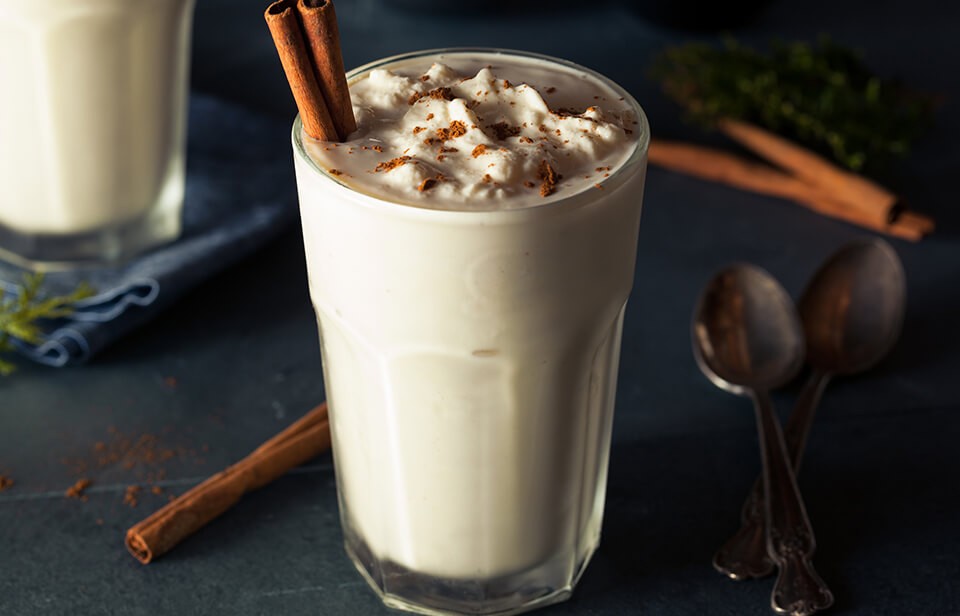
Time
- Prep Time: 12 hours
- Cook Time: 15 minutes
- Total Time: 12 hours 15 minutes
The majority of the preparation involves chilling the eggnog to develop its flavors fully. The active cooking process is relatively quick, making it feasible to prepare a day in advance. This advance preparation enhances the flavor, ensuring a perfectly chilled, smooth, and flavorful drink ready for your holiday celebration or cozy winter night.

Needed Equipment
- For Stovetop Method:
- Large heavy-bottomed saucepan
- Whisk or wooden spoon
- Food thermometer (preferably digital)
- Measuring cups and spoons
- Fine mesh sieve (optional, for smoothness)
- Cover or plastic wrap
- Refrigerator for chilling
- For Microwave Method:
- 2-liter microwave-safe measuring jug or mixing bowl
- 1-liter microwave-safe measuring jug or bowl
- Whisk or fork
- Food thermometer
- Measuring cups and spoons
- Cover or microwave-safe wrap
- Refrigerator for chilling
Tags
- Holiday
- Dairy
- Eggs
- Comfort Food
- Festive Beverage
- Warm Drink
- Family-Friendly
Serving Size
This recipe yields approximately 12 servings, making it ideal for holiday parties, family gatherings, or multiple cozy nights. Each serving is about 8 ounces, enough to satisfy without overindulgence, especially when paired with complementary treats or snacks.
Difficulty Level
This recipe is classified as easy to intermediate. It involves basic cooking techniques such as whisking, heating, and chilling, making it suitable for home cooks with fundamental culinary skills. Attention to temperature and constant stirring during the heating process are essential to achieve safety and optimal texture.
Allergen Information
| Allergen | Present in Recipe |
|---|---|
| Eggs | Yes |
| Dairy (Milk) | Yes |
| Vanilla (Extract) | Yes |
| Sugar | No |
| Optional Spices (Nutmeg, Cinnamon) | No |
Note: For individuals with dairy allergies or sensitivities, consider using plant-based milk alternatives such as almond, soy, or oat milk. However, the safety of raw eggs remains unless pasteurized eggs are used.
Dietary Preference
- Gluten-Free: Yes
- Vegetarian: Yes
- Vegan: No (contains eggs and dairy)
Course
Drink, Beverage, Festive Special
Cuisine
American / Holiday Classics
Ingredients
Ingredient Table
| Ingredient | Quantity | Notes |
|---|---|---|
| Eggs | 6 large | Fresh, free-range preferred |
| Sugar | 1/4 cup (50 grams) | Granulated |
| Salt | 1/4 teaspoon (optional) | Enhances flavor |
| Milk | 4 cups (950 ml) | Whole milk preferred for richness |
| Vanilla Extract | 1 teaspoon (5 ml) | Pure vanilla extract recommended |
| Optional Garnishes | Nutmeg, cinnamon sticks, whipped cream, rum (for adults) | Adjust based on preference and dietary restrictions |
Instructions
Traditional Stovetop Method
To begin crafting this safe eggnog, ensure all your utensils and equipment are clean and ready. The process involves gently cooking the eggs with milk and sugar to eliminate any potential pathogens. Here are the step-by-step instructions:
- Preparation of Egg and Sugar Mixture: In a large, heavy-bottomed saucepan, crack the eggs carefully, ensuring no shell fragments fall into the mixture. Use a whisk or fork to beat the eggs thoroughly until the yolks and whites are fully combined and slightly frothy. Add the sugar and optional salt, and continue whisking until the mixture appears smooth and uniform. The goal is to dissolve the sugar evenly and create a homogeneous base for the custard.
- Initial Milk Incorporation: Slowly add 2 cups of milk to the egg mixture, stirring continuously. This step helps temper the eggs, reducing the risk of curdling when heat is applied. Gradually pouring and stirring ensures a gentle transition from raw eggs to a heated custard base.
- Heating and Cooking: Place the saucepan over low heat. Using a food thermometer, continuously monitor the temperature. Stir constantly with a whisk or wooden spoon to prevent the eggs from curdling or sticking to the bottom. Heat the mixture gently until it thickens enough to coat the back of a spoon with a thin film and reaches an internal temperature of at least 160°F (71°C). This temperature ensures the eggs are safely cooked, eliminating Salmonella risk without overcooking or curdling the mixture.
- Removal and Cooling: Once the desired temperature is achieved, promptly remove the saucepan from heat. Pour the mixture through a fine mesh sieve if a smoother texture is desired. Stir in the remaining 2 cups of milk and the vanilla extract. This addition cools the mixture slightly and enhances the flavor profile.
- Chilling: Transfer the mixture into a clean bowl or pitcher. Cover tightly with plastic wrap or a lid and refrigerate for at least 12 hours, preferably overnight. Chilling allows the flavors to meld, resulting in a richer, more cohesive taste and a perfect serving temperature.
- Serving: Before serving, give the eggnog a gentle stir. Pour into glasses or mugs, garnish with a sprinkle of freshly grated nutmeg or cinnamon, whipped cream, or a cinnamon stick for added aroma and presentation. For an adult version, add a splash of rum or bourbon to each glass.
Microwave Method
For those short on time or seeking a simplified process, the microwave method offers a quick alternative. It involves carefully heating milk and combining it with the egg mixture in stages to ensure safety and consistency:
- Egg and Sugar Mixture Preparation: In a microwave-safe mixing bowl or jug, crack the eggs and whisk until fully blended. Add the sugar and optional salt, whisking until the mixture is smooth and the sugar is dissolved.
- Heating Milk: In a separate microwave-safe jug, pour 2 cups of milk. Microwave on full power (100%) for about 5-6 minutes, or until bubbles form around the edges. Carefully remove from microwave, ensuring not to boil over.
- Combining and Cooking: Gradually pour the hot milk into the egg mixture while whisking vigorously to temper the eggs. Transfer the combined mixture back into a clean microwave-safe bowl or jug. Microwave on 50% power in 1-minute intervals, stirring thoroughly after each, until the mixture thickens and reaches at least 160°F (71°C). Use a food thermometer to verify the temperature and ensure safety.
- Finishing and Chilling: Stir in remaining milk and vanilla extract. Transfer to a container and refrigerate for a minimum of 12 hours to allow flavors to develop fully.
- Serve and Garnish: Stir before serving, garnish with spices or whipped cream as desired, and enjoy a safe, creamy eggnog.
Preparation Tips
- Temperature Control: Always monitor the temperature closely during cooking. The critical safety threshold is 160°F (71°C). Overheating can cause curdling, while underheating poses safety risks.
- Constant Stirring: Keep the mixture moving during heating to prevent eggs from sticking or forming lumps. Use a heat-resistant spatula or whisk for even heat distribution.
- Use Fresh Eggs: Fresh, high-quality eggs improve flavor and safety. If concerned about raw egg consumption, opt for pasteurized eggs available in stores.
- Chilling Duration: Allow adequate chilling time, ideally overnight, to achieve the best flavor and texture. Patience is key to a luxurious, well-rounded eggnog.
- Flavor Variations: Enhance your eggnog by adding nutmeg, cinnamon, or even a splash of your favorite liqueur. Adjust sweetness to taste.
Nutritional Information
| Per Serving (Approximate) | Amount |
|---|---|
| Calories | 109.1 kcal |
| Fat | 5.6 g |
| Saturated Fat | 2.7 g |
| Cholesterol | 117.8 mg |
| Sodium | 77.3 mg |
| Carbohydrates | 8.4 g |
| Sugar | 4.4 g |
| Protein | 6 g |
Tips and Tricks
- Use Pasteurized Eggs: For added safety, especially if serving to vulnerable populations like children, pregnant women, or the elderly, opt for pasteurized eggs available in most grocery stores.
- Adjust Sweetness: Taste the mixture after cooking and before chilling. If desired, increase sugar slightly for a sweeter eggnog or reduce for a more subtle flavor.
- Spice Enhancements: Nutmeg is traditional, but cinnamon, cloves, or allspice can add depth and complexity to your eggnog. Freshly grated spices yield the best aroma and flavor.
- Serving Presentation: Garnish with a sprig of mint, a cinnamon stick, or a dusting of nutmeg for appealing presentation.
- Alcohol Variations: For an adult twist, add a splash of rum, bourbon, or brandy just before serving. Ensure moderation and inform guests of the alcohol content.
Add-ons and Variations
- Vegan Eggnog: Replace eggs with silken tofu or commercial egg replacers and use plant-based milk options. Heating methods need adjustment for safety.
- Chocolate Eggnog: Incorporate a tablespoon of cocoa powder or melted dark chocolate into the mixture for a decadent version.
- Spiced Eggnog: Infuse the milk with cinnamon sticks, cloves, or star anise during heating for a more aromatic drink.
- Whipped Cream Topping: Add a dollop of whipped cream on top before serving for extra richness.
Side Dishes
- Gingerbread Cookies
- Spiced Biscotti
- Holiday Muffins
- Fruitcake
- Mini Cheeseballs with Crackers
Improvements
To elevate this eggnog further, consider incorporating high-quality vanilla bean paste or extract for a richer vanilla flavor. Using homemade nutmeg freshly grated from whole seeds enhances aroma and taste. For a creamier texture, add a splash of heavy cream or coconut cream just before serving. Incorporate a dash of bourbon vanilla or amaretto for depth, or blend in a small amount of mascarpone or cream cheese for added richness.
Save and Store
Store any leftover eggnog in an airtight container in the refrigerator for up to 3 days. Shake or stir well before serving, as settling and separation may occur. For best results, reheat gently if you prefer warm eggnog, ensuring it reaches at least 160°F for safety. Avoid freezing, as the texture may change upon thawing.
FAQ
Can I make this eggnog ahead of time?
Absolutely. In fact, chilling it overnight allows the flavors to meld beautifully, resulting in a more cohesive and delicious beverage. Prepare the eggnog a day in advance for best flavor.
Is this recipe safe for children?
Yes, provided the eggs are cooked to safe temperatures (at least 160°F). Using pasteurized eggs is also recommended for added safety, especially for children or immunocompromised individuals.
Can I add alcohol to this eggnog?
Yes, once cooled and chilled, stir in your preferred spirits such as rum, bourbon, or brandy. Adjust the amount based on taste and desired strength.
Can I substitute dairy milk?
Yes, plant-based alternatives like almond, soy, or oat milk can be used. Be aware that these may slightly alter the flavor and texture.
What is the best way to ensure the eggs are cooked safely?
Use a reliable food thermometer to monitor the mixture’s temperature during cooking. Once it reaches 160°F (71°C), hold it at that temperature for a minute or two to ensure safety without overcooking.
Conclusion
Creating a safe, delicious, and festive eggnog at home is entirely achievable with careful attention to temperature and technique. This recipe from lovewithrecipes.com emphasizes safety without sacrificing the classic creamy texture and aromatic spices that define true holiday eggnog. Whether you opt for the traditional stovetop method or the quick microwave version, the result is a rich, flavorful beverage that elevates any celebration. Remember to prepare it in advance, chill thoroughly, and garnish beautifully for a memorable, crowd-pleasing drink that embodies the warmth and joy of the holiday season. Experiment with spices, add a splash of your favorite liqueur, and enjoy the comforting taste of homemade eggnog, crafted with care and safety.
References
- FoodSafety.gov. “Egg Safety.” https://www.foodsafety.gov/food-safety-challenges/eggs
- USDA. “Safe Cooking Temperatures.” https://www.fsis.usda.gov/food-safety/safe-food-handling-and-preparation/food-safety-basics/safe-cooking-temperatures