In the world of culinary ingredients, dried buttermilk is a remarkable addition, providing a rich, creamy flavor while being packed with essential nutrients. Below, we delve into the nutritional profile of this versatile ingredient, perfect for a range of recipes, from baked goods to creamy sauces.
Nutritional Breakdown
| Nutrient | Amount |
|---|---|
| Energy (kcal) | 387.0 |
| Protein (g) | 34.3 |
| Total Fat (g) | 5.78 |
| Saturated Fat (g) | 3.598 |
| Carbohydrates (g) | 49.0 |
| Sugar (g) | 49.0 |
| Fiber (g) | 0.0 |
| Calcium (mg) | 1184.0 |
| Iron (mg) | 0.3 |
| Magnesium (mg) | 110 |
| Phosphorus (mg) | 933.0 |
| Potassium (mg) | 1592.0 |
| Sodium (mg) | 517.0 |
| Zinc (mg) | 4.02 |
| Copper (mcg) | 0.111 |
| Manganese (mg) | 0.023 |
| Selenium (mcg) | 20.3 |
| Vitamin C (mg) | 5.7 |
| Thiamin (mg) | 0.392 |
| Riboflavin (mg) | 1.579 |
| Niacin (mg) | 0.876 |
| Vitamin B6 (mg) | 0.338 |
| Folate (mcg) | 47.0 |
| Vitamin B12 (mcg) | 3.82 |
| Vitamin A (mcg) | 49.0 |
| Vitamin E (mg) | 0.1 |
| Vitamin D2 (mcg) | 0.5 |
Allergen Information
Dried buttermilk is derived from milk and, as such, contains dairy, which can trigger allergic reactions in individuals with dairy allergies or lactose intolerance. It is essential to keep this in mind when incorporating it into recipes, especially when serving guests with dietary restrictions.
Dietary Preferences
This ingredient is suitable for various dietary preferences, including those seeking high-protein options or looking to add creamy flavors to dishes without the moisture of liquid buttermilk. However, it may not be suitable for vegan diets due to its dairy content.
Culinary Advice
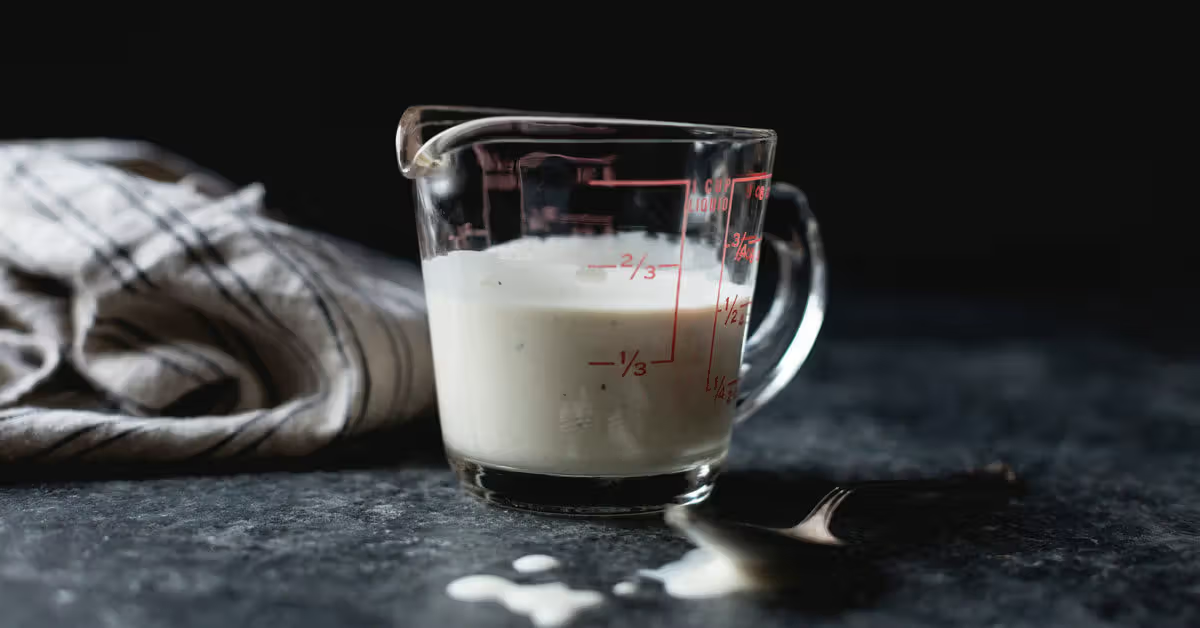
When using dried buttermilk in recipes, it is typically reconstituted by mixing it with water. This versatility allows it to be a convenient substitute for liquid buttermilk in baking and cooking, providing the same tangy flavor and moisture balance. For optimal results, use the recommended ratios specified in your recipe to ensure the best flavor and texture.
Conclusion
Dried buttermilk is not only a flavorful and nutritious addition to your pantry but also a fantastic ingredient that enhances the taste and texture of various dishes. Whether you’re whipping up pancakes, muffins, or creamy dressings, this ingredient promises to elevate your culinary creations while delivering a wealth of nutrients. Always consider allergen information and dietary preferences when incorporating it into your recipes to ensure an enjoyable experience for all.