

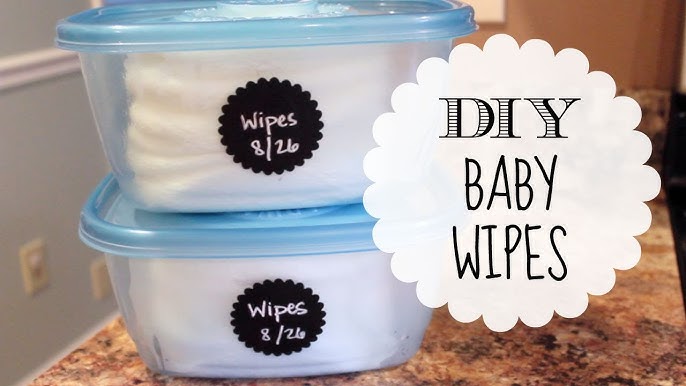
 Introduction
Creating homemade baby wipes offers a natural, cost-effective, and customizable alternative to store-bought options, ensuring that your baby’s delicate skin is protected from harsh chemicals and synthetic fragrances. At Love With Recipes, we believe that crafting your own baby essentials not only provides peace of mind but also creates a bonding experience and a sense of accomplishment. This comprehensive guide delves into every aspect of making baby wipes from scratch, emphasizing safety, efficiency, and practicality to ensure you produce a product that is gentle, effective, and environmentally friendly.
Time
The entire process, from preparation to storage, takes approximately 15 minutes, making it an ideal quick project for busy parents or caregivers. The soaking period extends for about 10 minutes, ensuring that the paper towels are thoroughly saturated with the cleaning solution, but the active hands-on time remains minimal. This quick turnaround allows you to produce fresh, homemade wipes regularly, ensuring they are always available when needed without the hassle of frequent store runs.

Needed Equipment
- Serrated kitchen knife or bread knife – for slicing the paper towels in half
- Large mixing bowl – to prepare the cleaning solution
- Measuring spoons – for accurate measurement of vinegar
- Measuring cups – for hot water
- Spatula or spoon – to mix the solution thoroughly
- Plastic container with a tight-fitting lid – suitable for soaking and storing wipes (e.g., Tupperware or an empty reusable baby wipe container)
- Hot water source – tap hot water or boiled cooling water (ensure it’s hot enough to aid in the saturation process)
- Optional: Tea tree oil or other essential oils – for natural antibacterial properties (use with caution and in moderation)
Tags
DIY, Baby Care, Natural Products, Eco-Friendly, Cost-Effective, Quick Recipes, Homemade Essentials
Serving Size
This recipe yields approximately two standard rolls of homemade baby wipes, which can be used over several days or weeks depending on your usage frequency. Each roll typically contains around 80-100 wipes, making it sufficient for daily baby care needs.
Difficulty Level
Beginner-friendly: This project requires minimal technical skill and involves straightforward steps suitable for most home cooks and caregivers. The key is attention to detail during the soaking process to ensure even saturation and safety.
Allergen Information
These homemade wipes are free from synthetic fragrances, preservatives, and dyes, making them safe for babies with sensitive skin or allergies. However, if adding essential oils, ensure they are pure, hypoallergenic, and used sparingly to prevent skin irritation.
Dietary Preference
Not applicable—this is a bath and beauty product, specifically for baby skincare.
Course
Baby Care / Personal Hygiene
Cuisine
Home-Made, Natural, DIY
Ingredients
| Ingredient | Quantity | Notes |
|---|---|---|
| Paper Towels | 1 roll | Choose a soft, durable brand suitable for sensitive skin |
| Hot Water | 2 cups | Ensure water is hot enough to aid in saturation but safe to handle |
| White Vinegar | 1 tablespoon | Acts as a natural disinfectant and pH balancer |
| Optional: Tea Tree Oil | 4 drops | Natural antibacterial, use cautiously and sparingly |
Instructions
Step 1: Preparing the Paper Towels
Begin by selecting a high-quality, soft, and absorbent paper towel roll. For optimal results, choose a brand that is gentle on sensitive skin, such as those marketed for baby or delicate skin. Using a serrated kitchen knife, carefully saw through the roll lengthwise, dividing it into two halves. This method ensures minimal waste and allows for easier soaking and tearing during use. Be cautious when handling the knife, ensuring safety and stability to avoid accidents or uneven cuts.
Step 2: Mixing the Cleaning Solution
In a large mixing bowl, combine 2 cups of hot water with 1 tablespoon of white vinegar. The temperature of the water should be sufficiently hot to facilitate absorption by the paper towels, but not so hot as to cause burns or discomfort. Mix thoroughly using a spatula or spoon, ensuring the vinegar is evenly distributed. The vinegar acts as a natural disinfectant, balancing the pH of the wipes and helping to eliminate bacteria, mold, and other pathogens.
Step 3: Arranging the Paper Towels in the Container
Select a suitable plastic container with a lid to keep the wipes moist and fresh. This could be a standard Tupperware container or an empty, clean roll-type baby wipe container. Place one half roll of paper towels into the container, with the shredded side facing downward. This orientation helps prevent lint and loose fibers from sticking to your baby’s skin and makes pulling wipes easier. Ensure the roll fits snugly but is not compressed too tightly, as this could impede easy dispensing and soaking.
Step 4: Pouring the Solution Over the Paper Towels
Slowly pour the prepared hot water and vinegar mixture over the paper towel roll, focusing on the center area to ensure even saturation. Allow the solution to seep into the roll gradually, helping to evenly distribute moisture. You may need to tilt or gently shake the container to facilitate even coverage. Once the solution has been added, close the lid securely and allow the roll to sit undisturbed for about 5 minutes. This period allows the paper towels to absorb the liquid thoroughly.
Step 5: Flipping the Roll for Complete Saturation
After the initial soaking time, carefully turn the container upside down, so the roll sits in the solution for an additional 5 minutes. This step ensures that the inner layers of the roll are also fully saturated, providing a consistent and moist surface for each wipe. During this time, avoid disturbing the container unnecessarily to maintain even moisture distribution.
Step 6: Removing the Cardboard Tube
Once soaking is complete, gently pull out the cardboard core from the center of the roll. The paper towels should now be moist, flexible, and ready for use. If the roll feels overly saturated or soggy, you can carefully unroll the top few layers to remove excess moisture, although this is rarely necessary if the soaking process is done properly.
Step 7: Using the Wipes
To use, simply pull a wipe from the center of the roll, using the shredded edges to peel it away. The wipes should come out smoothly and be moist enough to clean effectively without dripping or leaving residue. Always test a wipe on a small area of your baby’s skin first to ensure there’s no adverse reaction, especially if you’ve added essential oils or other ingredients.
Step 8: Storage and Maintenance
Keep the container tightly sealed when not in use to prevent the wipes from drying out. It’s recommended to make one roll at a time to ensure freshness and to wash the container thoroughly between uses to inhibit mold and bacterial growth. If you notice mold formation or an unpleasant odor, consider adding 4 drops of tea tree oil to the solution or switching to a different storage container. Regularly check the wipes for moisture levels and discard any that appear dried out or contaminated.
Preparation Tips
- Use soft, high-quality paper towels, preferably those designed for sensitive skin or baby use, to prevent irritation.
- Adjust the amount of vinegar based on your preference for scent and disinfectant strength, but remember that too much vinegar can cause skin irritation.
- For added antibacterial properties, incorporate a few drops of pure, hypoallergenic tea tree oil or lavender oil—always test on a small skin patch first.
- Ensure the container is airtight to maintain moisture and prevent bacteria or mold growth.
- If you prefer a more natural scent, infuse the solution with a small amount of chamomile or lavender tea.
Nutritional Information
As these are non-edible, topical products, they do not contain nutritional components. However, for completeness, here’s a breakdown of the typical ingredients used:
| Component | Function | Estimated Contribution |
|---|---|---|
| Water | Base solvent and moisturizer | Primary component (~97%) |
| Vinegar | Disinfectant and pH balancer | Trace (~0.2%) |
| Paper towels | Absorbent material | Major physical component |
| Essential oils (optional) | Antibacterial and fragrance | Trace (~0.02%) per drop |
Tips and Tricks
- Use a slightly larger container if you prefer to soak the entire roll at once, reducing the number of steps and ensuring even saturation.
- Pre-slice the paper towels before soaking if you want smaller, more manageable wipes for quick cleaning.
- For sensitive skin, skip essential oils altogether or opt for hypoallergenic and fragrance-free options.
- Label your containers with the date of preparation to keep track of freshness and replace the wipes every few days.
- Consider adding a few drops of aloe vera gel to the solution for extra soothing properties.
Add-ons
- Vitamin E oil—adds nourishing properties and acts as a natural preservative.
- Glycerin—enhances moisture retention, making wipes softer and more hydrating.
- Lavender or chamomile essential oils—provide calming scents and mild antiseptic qualities.
- Tea tree oil—natural antimicrobial agent, but use sparingly and with caution.
Side Dishes
While not applicable for this product, pairing your homemade wipes with natural baby lotions or gentle skin care oils can enhance your baby’s comfort post-bath. Consider offering a soothing aloe vera gel or organic baby lotion to complement the gentle cleaning routine.
Improvements
- Incorporate aloe vera or vitamin E into the solution for added skin nourishment.
- Use biodegradable or recycled paper towels to make the process more eco-friendly.
- Add a small amount of natural honey or calendula extract for soothing and healing properties.
- Experiment with different essential oils to customize scent and benefits, ensuring compatibility with sensitive skin.
Save and Store
Homemade baby wipes should be stored in an airtight container in a cool, dry place away from direct sunlight. For optimal freshness and safety, create small batches (one roll at a time) and replace them every 3-4 days. Always inspect wipes for signs of mold, dryness, or foul odor before use. Clean the storage container thoroughly with soap and hot water between batches to prevent bacterial growth.
FAQ
Can I add soap or other cleaning agents?
It’s best to avoid adding soap, which can be drying or irritating. The vinegar in this recipe provides sufficient cleaning and disinfecting properties. If additional cleaning power is needed, opt for gentle, baby-safe options and test on your baby’s skin first.
How long do homemade wipes last?
If stored properly in an airtight container and kept in a cool place, they can stay moist and effective for up to 4 days. Always check for mold, odor, or dryness before use, and discard if any signs of spoilage occur.
Can I use other types of paper towels?
Yes, but choose soft, gentle, and absorbent paper towels suitable for sensitive skin. Avoid heavily patterned or highly bleached towels, which may contain chemicals or dyes that could irritate your baby’s skin.
What if mold develops?
If you notice mold, discard the wipes immediately. To prevent mold growth, use a few drops of tea tree oil in the solution, ensure containers are well cleaned, and keep wipes in a dry, cool environment.
Conclusion
Making your own baby wipes at home not only offers peace of mind regarding ingredients but also allows customization to suit your baby’s unique needs. The process is straightforward, quick, and economical, making it an excellent addition to your natural parenting toolkit. By controlling what goes into your wipes, you ensure a gentle, safe, and environmentally conscious product that benefits both your baby and the planet. Remember, at Love With Recipes, we advocate for mindful, homemade solutions that empower caregivers to nurture their little ones with love and care.
References
For further reading and safety guidelines, consult sources such as the American Academy of Pediatrics and natural parenting blogs dedicated to DIY baby care products.