

Introduction
Polpo alla Galiziana, also famously known as Pulpo a la Gallega, is a quintessential Spanish delicacy originating from the lush, rugged coastlines of Galicia in northwestern Spain. Celebrated for its simplicity, rich flavors, and cultural heritage, this dish embodies the maritime spirit and culinary finesse of the region. Its allure lies in the perfect harmony of tender, flavorful octopus paired with hearty potatoes, all elevated by the aromatic and robust notes of extra virgin olive oil, paprika, and fresh herbs.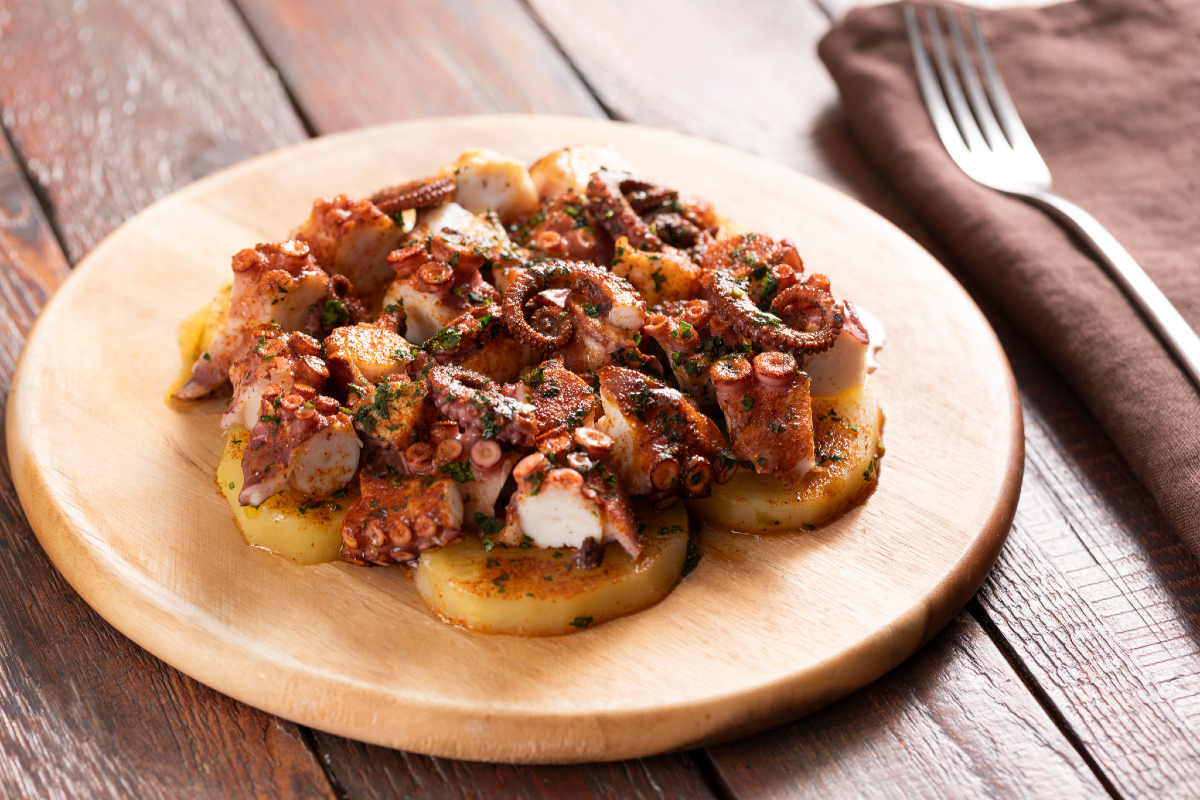
This dish has transcended regional boundaries and become a worldwide favorite among seafood lovers and culinary explorers. Its presentation is often rustic yet elegant, served on wooden platters or traditional Spanish terracotta plates, making it a popular choice for tapas bars, family gatherings, and gourmet dinner parties alike. The process of creating authentic Polpo alla Galiziana is both an art and a science — requiring patience, attention to detail, and respect for the quality of ingredients.

At Love With Recipes, we believe that the essence of a truly authentic dish does not lie solely in complex techniques but in embracing the freshness of ingredients, traditional methods, and a passion for culinary heritage. This comprehensive guide aims to provide an in-depth, detailed walkthrough that covers every aspect of preparing this Spanish classic — from sourcing the best octopus to perfecting the cooking process, presentation, and serving tips, ensuring that your culinary journey results in a dish worthy of Spain’s gastronomic reputation.
Time
The total preparation and cooking time for Polpo alla Galiziana spans approximately 2 to 3 hours, broken down as follows:
- Preparation: 30 minutes (including cleaning and prepping ingredients)
- Cooking Octopus: 50-60 minutes (slow boiling process)
- Preparing Potatoes: 15-20 minutes (using cooking water from octopus)
- Assembly and Final Seasoning: 10-15 minutes
- Chilling and Resting: 1 hour (optional but recommended for flavor melding)
Hence, plan your cooking schedule accordingly, especially if preparing for a special event or gathering, to ensure the dish is served at its peak freshness and flavor.
Needed Equipment
Essential Tools and Utensils
| Equipment | Description |
|---|---|
| Large Stockpot | To cook the octopus and potatoes, ideally with a capacity of at least 10 liters to accommodate the size of the octopus and ensure even cooking. |
| Slotted Spoon or Tongs | For handling the octopus during dipping and removal from boiling water, preventing burns and ensuring safety. |
| Sharp Chef’s Knife | Crucial for slicing the octopus and potatoes cleanly and safely. |
| Cutting Board | Preferably wooden or plastic, providing a stable surface for cutting and slicing. |
| Thermometer | Optional but helpful for monitoring water temperature during initial dips and cooking. |
| Colander or Strainer | To drain the potatoes after boiling and to rinse ingredients if needed. |
| Serving Platter or Wooden Board | Traditional presentation for the assembled dish, adding rustic authenticity. |
| Measuring Spoons and Cups | For precise seasoning, especially when measuring paprika, parsley, and olive oil. |
| Peeler (optional) | For peeling potatoes if desired, although traditionally served unpeeled for added texture. |
| Kitchen Tongs or Forks | To handle hot ingredients safely during assembly and serving. |
| Refrigerator or Cooler | To rest and chill the dish prior to serving to enhance flavor melding. |
Tags
- Seafood
- Spanish Cuisine
- Appetizer
- Tapas
- Octopus
- Galicia
- Traditional
- Healthy
- Gluten-Free
- Low Carb
Serving Size
This recipe yields approximately 4 generous servings, making it ideal for small gatherings or family dinners. Each serving consists of a balanced portion of octopus and potatoes, accented with flavorful seasonings and drizzled with high-quality olive oil. Adjust portion sizes accordingly if serving as part of a multi-course meal or as a tapas platter alongside other dishes.
Difficulty Level
Intermediate. While the technique of cooking octopus may seem straightforward, achieving the perfect tenderness requires patience and attention to detail. It involves precise timing, temperature control, and gentle handling to prevent overcooking or toughening the octopus. However, with careful execution and adherence to instructions, even home cooks can master this dish with confidence.
Allergen Information
- Seafood: Contains octopus, a common allergen for some individuals.
- Olive Oil: Generally safe but should be noted for those with specific allergies or sensitivities.
- Spices: Paprika and chili powder may cause reactions in sensitive individuals.
Dietary Preference
Gluten-Free, Dairy-Free, Paleo-Friendly, Keto-Friendly (with moderation on potatoes), Whole30 (if potatoes are omitted or substituted), Low Carb (if potatoes are reduced or replaced). This dish is naturally aligned with various dietary options, emphasizing fresh seafood and healthy fats.
Course
Appetizer / Tapas
Cuisine
Spanish / Galicia
Ingredients
Ingredient Details and Substitutions
| Ingredient | Quantity | Notes / Substitutions |
|---|---|---|
| Potatoes | 500g | Preferably firm waxy potatoes like Red Bliss or new potatoes. For a lower carb version, consider using cauliflower florets. |
| Octopus (Polpo) | 5kg | Fresh or frozen. If frozen, thaw completely before cooking. Ensure high-quality, fresh octopus for best results. |
| Coarse Salt | To taste | Sea salt or kosher salt preferred for authentic flavor. |
| Onion | ½ | Optional, used during initial boiling to infuse flavor into the cooking water. |
| Fresh Parsley | 30g | Finely chopped for garnish and flavor enhancement. |
| Ground Chili Powder (Paprika) | To taste | Preferably Spanish smoked paprika (pimentón de la Vera) for authentic flavor. |
| Extra Virgin Olive Oil | As needed | High-quality, cold-pressed for optimal flavor and health benefits. |
Instructions
1. Preparing the Octopus
The initial step involves preparing the octopus to ensure tenderness and optimal flavor. If the octopus arrives pre-cleaned, verify that it is free of entrails, beak, and ink sac. If not, carefully clean the octopus by removing the beak and ink sac, rinsing thoroughly under cold running water. For those unfamiliar with seafood prep, consult reputable sources or videos for detailed cleaning techniques.
Once cleaned, the octopus must be tenderized through a process called ‘scaring,’ which involves repeatedly dipping the octopus into boiling water to encourage tentacle curling and tenderization. Fill a large stockpot with water, add coarse salt to mimic seawater salinity, and bring to a rolling boil. Using tongs or a slotted spoon, dip the octopus into the boiling water for 2-3 seconds, then lift it out. Repeat this process 2-3 times.
This technique helps rupture some of the muscle fibers and prevents the octopus from becoming rubbery. After the dips, immerse the entire octopus into the boiling water, ensuring it is fully submerged. Reduce the heat to a gentle simmer and cook for approximately 50 minutes. During cooking, periodically test the tenderness by piercing the thickest part of the tentacle with a skewer or fork. The perfect octopus should be tender yet firm, not mushy or rubbery.
2. Boiling the Potatoes
While the octopus cooks, prepare the potatoes. Use the same water used for boiling the octopus to infuse them with a rich, seafood-flavored broth. Wash the potatoes thoroughly, scrubbing off any dirt, and leave the skins intact for added texture and flavor. Place the potatoes whole into the boiling water and cook for about 10-15 minutes.
The goal is to achieve potatoes that are cooked through yet firm enough to hold their shape. Test doneness by piercing with a skewer or knife; it should slide in easily but with some resistance. Drain the potatoes and allow them to cool slightly before slicing into rounds, about 1-2 centimeters thick.
3. Slicing the Octopus
Once the octopus has reached the ideal tenderness, carefully remove it from the pot and transfer to a cutting board. Allow it to cool for a few minutes to prevent burns. Using a sharp chef’s knife, slice the tentacles into thick, manageable rounds. The slices should be substantial, around 1.5-2 centimeters, to preserve the texture and ensure each bite offers a satisfying mix of flavors.
4. Assembling the Dish
Lay the potato slices evenly on a rustic serving platter or traditional wooden board, creating a base layer. Arrange the sliced octopus over the potatoes, forming a visually appealing pattern that highlights the contrast between the creamy, starchy potatoes and the succulent, slightly chewy octopus.
5. Seasoning and Serving
Finish the dish by drizzling a generous amount of high-quality extra virgin olive oil over the octopus and potatoes. Sprinkle coarse sea salt and a pinch of smoked paprika or chili powder to add depth and a hint of spice. Garnish with freshly chopped parsley for color and freshness, which also complements the smoky paprika’s flavor.
For authentic presentation, consider resting the assembled dish in the refrigerator for at least one hour. This allows the flavors to meld and enhances the overall taste experience. Serve at room temperature or slightly chilled, accompanied by crusty bread, additional olive oil, or a squeeze of lemon if desired.
Preparation Tips
- Ingredient Quality: Always opt for the freshest octopus, ideally sourced from reputable fishmongers or seafood markets. Frozen octopus is a practical alternative and often tenderizes during freezing, making it easier to cook to perfection.
- Cooking Technique: Patience is key. Cooking the octopus slowly at a gentle simmer ensures tenderness. Avoid boiling vigorously, which can toughen the meat.
- Flavor Infusion: Using the octopus cooking water for boiling potatoes enriches the flavor profile, making every bite more savory and cohesive.
- Presentation: For a more authentic look, serve on traditional Spanish ceramic or terracotta plates, and garnish with extra parsley and paprika at the last minute.
Nutritional Information
| Nutrient | Amount Per Serving |
|---|---|
| Calories | 250 kcal |
| Protein | 20g |
| Carbohydrates | 22g |
| Fat | 12g |
| Fiber | 4g |
| Sodium | 500mg |
Tips and Tricks
- Octopus Tenderness: For exceptionally tender octopus, some chefs recommend freezing the octopus prior to cooking, which helps break down muscle fibers. Alternatively, adding a cork to the cooking water is a traditional trick, as the tannins are believed to help tenderize the meat.
- Flavor Enhancements: Incorporate a splash of white wine or a squeeze of lemon juice during the final seasoning for a bright, tangy twist.
- Spice Variations: Experiment with different paprika types—smoked, sweet, or hot—to customize the flavor profile.
- Serving Suggestions: Pair with crusty baguette, grilled vegetables, or a fresh green salad to balance the richness of the octopus.
Add-ons
- Chopped fresh herbs, such as cilantro or basil, for a different aromatic profile.
- Finely chopped red onion or shallots for additional crunch and flavor.
- Roasted peppers or marinated artichokes for a Mediterranean touch.
- Drizzle of aged sherry vinegar or balsamic glaze to enhance the dish’s depth.
Side Dishes
- Crusty artisan bread or baguette slices.
- Simple mixed green salad with vinaigrette.
- Grilled vegetables such as zucchini, eggplant, or bell peppers.
- Spanish olives and marinated anchovies as additional tapas options.
Improvements
- Use a pressure cooker to reduce the cooking time while maintaining tenderness.
- Introduce a marinade with garlic, lemon zest, and herbs for extra flavor before cooking.
- Experiment with different wood-smoked salts or infused oils for nuanced seasoning.
- Serve with a side of aioli or garlic mayonnaise for dipping.
Save and Store
Leftover octopus can be stored in an airtight container in the refrigerator for up to 2 days. For optimal flavor, reheat gently in a pan over low heat or in the oven. To preserve the texture and moisture, avoid microwaving which can make the octopus rubbery.
For longer storage, freeze the cooked octopus in a sealed bag or container for up to 1 month. Thaw slowly in the refrigerator before reheating and serving.
FAQ
Can I use frozen octopus for this recipe?
Yes, frozen octopus is a convenient and effective option. Freezing helps tenderize the meat, making it easier to cook to perfection. Ensure it is fully thawed before cooking.
How do I tell when the octopus is tender?
The octopus is ready when a skewer or fork pierces the thickest part of the tentacle with minimal resistance. The flesh should be firm yet yielding, not rubbery or mushy.
Can I prepare this dish ahead of time?
Absolutely. Cooking the octopus and boiling the potatoes can be done a day in advance. Assemble and season just before serving, and allow the dish to rest in the refrigerator for optimal flavor melding.
Is there a vegetarian substitute?
For a vegetarian version, substitute octopus with grilled or marinated mushrooms or plant-based seafood alternatives, keeping the preparation techniques similar.
Conclusion
Polpo alla Galiziana stands as a testament to Spain’s rich seafood heritage, combining simplicity with depth of flavor. Its preparation requires patience and respect for traditional techniques, but the result is a dish that offers an explosion of textures and tastes — tender octopus, smooth potatoes, and aromatic seasonings. Whether served as a star appetizer or part of a tapas spread, it promises to delight every palate and evoke the coastal charm of Galicia.
At Love With Recipes, we celebrate the authenticity and culinary artistry behind this dish, encouraging home cooks to embrace their inner chef and bring a slice of Spain’s vibrant seafood culture into their homes. Bon appétit!
References
- García, M. (2018). The Art of Cooking Octopus: Techniques and Traditions. Culinary Heritage Press.
- Martín, J. (2020). Spanish Tapas: Recipes, Culture, and Techniques. Gastronomy Publishing.