

Introduction
At the heart of elegant culinary presentations, the Grilled Vegetable Terrine stands out as a testament to the artistry of vegetable preparation and flavor layering. Inspired by the sophisticated displays seen on ‘Canadian Living Cooks,’ this dish elevates the humble grilled vegetables to a spectacle of color, texture, and taste. It’s an ideal centerpiece for a festive gathering, a refined brunch, or a memorable appetizer at a formal dinner. The combination of smoky grilled vegetables, aromatic herbs, and delicate gelatin creates a harmonious composition that not only delights the palate but also impresses visually.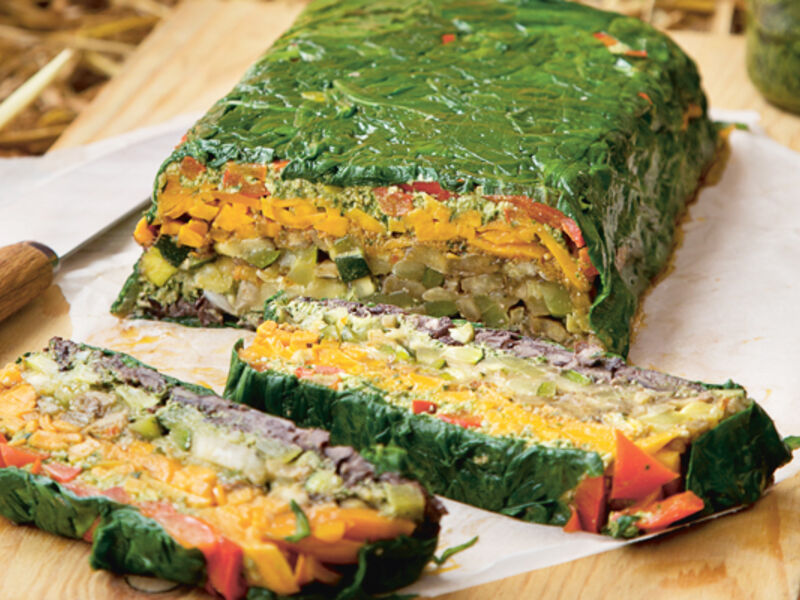
This recipe guides you through creating a multi-layered vegetable terrine with a refined gelatin infusion, capturing the essence of summer’s bounty and transforming it into a stunning cold dish. Whether you’re an experienced home chef or a culinary enthusiast eager to experiment with presentation techniques, this dish offers a rewarding experience that combines flavor, texture, and visual impact. As part of the Love With Recipes platform, we aim to provide comprehensive, detailed instructions to help you master this artful dish from preparation to presentation, ensuring each step is precise and accessible.

Time
- Preparation Time: 40 minutes
- Cooking Time: 12 minutes
- Standing/Chilling Time: Approximately 8 hours to 2 days (depending on setting)
- Total Time: Approximately 9 hours to 2 days and 52 minutes
Note: The most time-consuming part is the chilling and setting process, which is essential for achieving the perfect sliceable terrine. Patience during this phase ensures clean, attractive slices and optimal flavor infusion.
Needed Equipment
- Grill or Grill Pan: For roasting peppers and grilling zucchini and eggplant.
- Sharp Knife and Cutting Board: For slicing vegetables thinly and uniformity.
- Colander: To drain salted eggplant and layered vegetables.
- Mixing Bowls: For marinating vegetables and preparing the gelatin mixture.
- Small Saucepan: To dissolve gelatin and prepare the infusing liquid.
- Plastic Wrap: For lining the terrine mold and wrapping during chilling.
- Loaf Pan (8 x 4 inches / 20 x 10 cm): To assemble and set the terrine.
- Spatula or Small Knife: To help distribute gelatin and smooth layers.
- Measuring Cups and Spoons: For precise measurement of liquids and seasonings.
- Refrigerator: For setting the gelatin and chilling the assembled terrine.
- Serving Platter: To invert and present the finished dish.
- Optional: Kitchen Torch or Blowtorch: For additional charring if desired for flavor enhancement.
Tags
- Vegetarian
- Gluten-Free
- Vegan (if substituting gelatin with agar-agar)
- Elegant
- Appetizer
- Vegetable
- Party Food
- Festive
Serving Size
This recipe yields approximately one 8-inch (20 cm) loaf-shaped terrine, serving 8 to 10 guests, depending on portion size. Each slice offers a vibrant, satisfying combination of smoky vegetables and delicate gelatin, making it an impressive addition to any feast or special occasion.
Difficulty Level
Intermediate. The process involves multiple steps including precise slicing, grilling to perfection, layering, and gelatin setting. Attention to detail during each phase ensures the best visual and flavor results. However, with patience and careful execution, even home cooks with some kitchen experience can master this dish.
Allergen Information
- Eggplant, Zucchini, Peppers: No known common allergens, but some individuals may have sensitivities.
- Gelatin: Derived from animal collagen, not suitable for vegetarians or vegans unless using plant-based alternatives like agar-agar.
- Garlic and Basil: Potential allergens for some.
Dietary Preference
- Vegetarian (if gelatin is replaced with agar-agar)
- Vegan (with plant-based gelatin substitute)
- Gluten-Free
- Low Carb (if portion control is observed)
Course
Appetizer / Starter
Cuisine
International / French-inspired
Ingredients
Black pepperTo tasteFreshly ground
| Ingredient | Quantity | Notes |
|---|---|---|
| Eggplant | 1 large (approximately 1 lb / 450 g) | Sliced into 1/4-inch (5 mm) thick slices |
| Salt | As needed | For salting eggplant |
| Red sweet peppers | 4 large | Roasted and peeled |
| Yellow sweet peppers | 4 large | Roasted and peeled |
| Zucchini | 1 large | Sliced lengthwise into 1/4-inch (5 mm) slices |
| Extra virgin olive oil | 3/4 cup (180 ml) | Divided for marinating and grilling |
| Garlic | 3 cloves | Minced |
| Fresh basil | 3 tablespoons | Chopped |
| Dry white wine | 3/4 cup (180 ml) | For gelatin infusion |
| Kosher gelatin | 1 tablespoon (about 9 g) | Or plant-based alternative |
| Vinegar | 1 tablespoon (15 ml) | Red wine or white wine vinegar |
Instructions
1. Preparing the Eggplant
Start by selecting a fresh, firm eggplant. Wash thoroughly under cold running water to remove any dirt or residue. Using a sharp chef’s knife, cut the eggplant into approximately 1/4-inch (5 mm) thick slices. Uniform slices ensure even cooking and a neat appearance in the terrine. Place the slices in a large colander and sprinkle generously with salt, layer by layer. The salting process draws out excess moisture and bitterness, which is crucial for achieving a firm texture and preventing the terrine from becoming soggy.
Allow the salted eggplant slices to sit for about 30 minutes at room temperature. During this period, the salt will extract moisture. Afterward, rinse each slice briefly under cold water to remove excess salt. Pat dry thoroughly with paper towels or a clean kitchen towel. Proper drying ensures that the slices won’t release excess water during grilling, which could compromise the structure of the terrine.
2. Roasting and Peeling the Peppers
Preheat your grill or grill pan over medium-high heat. While the grill heats, prepare the peppers by washing and drying them. Place the red and yellow peppers directly on the grill grates. Close the lid to promote charring and blistering, turning the peppers every few minutes with tongs until their skins are uniformly blackened and blistered, approximately 20 minutes. This charring process enhances flavor and makes peeling easier.
Once charred, transfer the peppers to a heatproof bowl and cover with plastic wrap or a clean kitchen towel. Let them sit for about 10 minutes to steam, which helps loosen the skins. After steaming, peel off the blackened skins carefully with your fingers or a small paring knife. Remove the seeds and membranes, then cut the peppers into quarters or strips. Set aside for layering.
3. Grilling Zucchini and Eggplant
Prepare a marinade mixture by combining 1/2 cup (120 ml) of olive oil, 2 minced garlic cloves, 1 tablespoon chopped fresh basil, and a pinch of salt and freshly ground black pepper in a large mixing bowl. Whisk until well combined. Add the sliced zucchini and eggplant to the marinade, tossing gently to coat each piece evenly. Allow the vegetables to marinate for 10-15 minutes to absorb the flavors.
Preheat your grill or grill pan to medium-high heat. Place the marinated zucchini and eggplant slices on the grill, cooking for approximately 6 minutes per side or until tender and golden brown with grill marks. Turn carefully with tongs to ensure even cooking. The goal is to achieve a smoky flavor and tender texture, which will contrast beautifully with the firmness of the layered vegetables in the terrine.
Once grilled, transfer the vegetables to a clean plate and allow to cool slightly. They should be pliable but not hot, to prevent melting the gelatin when assembling.
4. Layering the Vegetables
Set up a colander over a large bowl to collect excess juices. Begin layering the grilled vegetables: first, place a layer of peppers at the bottom, followed by a layer of eggplant, then zucchini. Repeat the layers until all vegetables are used, ensuring an even distribution and attractive presentation. Cover the layered vegetables with plastic wrap directly touching the surface to prevent oxidation and drying out.
Place a weight on top—such as a couple of large cans or a heavy plate—to compress the layers and eliminate air pockets. Refrigerate for at least 2 hours, allowing the flavors to meld and the juices to be pressed out, resulting in a firm, sliceable terrine.
5. Preparing the Gelatin Mixture
Reserve approximately 1/3 cup of the collected vegetable juices from the layered vegetables. In a small saucepan, combine this reserved juice with the white wine. Sprinkle the kosher gelatin evenly over the liquid, letting it sit undisturbed for 1 minute to bloom. Gently heat the mixture over medium heat, stirring constantly until the gelatin is fully dissolved—do not boil, as high heat can degrade gelatin’s gelling ability.
Remove from heat and stir in the remaining minced garlic, chopped basil, and vinegar. Refrigerate the mixture for about 10 minutes, or until it reaches the consistency of egg whites. This step ensures that the gelatin will set properly without being too runny or too thick, allowing for a smooth pour over the layered vegetables.
6. Assembling the Terrine
Line an 8 x 4-inch (20 x 10 cm) loaf pan with plastic wrap, allowing excess to hang over the sides for easy removal later. Begin by layering half of the grilled peppers at the bottom, spreading evenly. Next, add half of the grilled eggplant slices, followed by the zucchini slices, spreading them uniformly. Repeat with the remaining vegetables, creating a colorful, layered effect.
Slowly pour the gelatin mixture over the layered vegetables. Use a spatula or small blunt knife to gently guide the gelatin into any gaps, ensuring it settles evenly and thoroughly coats all layers. This step is crucial for the terrine to hold together once chilled.
Cover the top of the terrine with the overhanging plastic wrap and refrigerate for a minimum of 8 hours, preferably overnight. During this period, the gelatin will set, binding the vegetables into a cohesive, sliceable loaf.
7. Unmolding and Serving
Once the gelatin is fully set, carefully invert the terrine onto a serving platter. Gently peel away the plastic wrap, revealing the beautifully layered, colorful vegetable terrine. Using a sharp serrated knife, slice into portions about 1/2-inch (1.25 cm) thick. Garnish each slice with a sprig of fresh basil or microgreens for an elegant presentation.
This dish can be served immediately or kept refrigerated until ready to serve. It pairs wonderfully with crusty bread, a side of mixed greens, or a light vinaigrette to complement its smoky, herbaceous flavors.
Preparation Tips
- Vegetable Slicing: Use a mandoline slicer for uniform thickness, which ensures even grilling and a professional appearance.
- Salting Eggplant: Be generous with salt and allow ample standing time. Rinse thoroughly to prevent excessive saltiness.
- Peppers: For a deeper smoky flavor, char the peppers until blackened, but avoid over-charring to prevent bitterness.
- Marination: Marinate zucchini and eggplant to enhance flavor absorption and improve grill marks.
- Layering: Use a gentle touch when pouring gelatin to avoid disturbing the layers; patience is key.
- Chilling: Do not rush the gelatin setting process; the longer, the better for clean slices.
Nutritional Information
| Nutrient | Per Serving (Approximate) | Unit |
|---|---|---|
| Calories | 2317.4 | kcal |
| Total Fat | 167.6 | g |
| Saturated Fat | 23.4 | g |
| Cholesterol | 0 | mg |
| Sodium | 2434.5 | mg |
| Total Carbohydrates | 181.8 | g |
| Dietary Fiber | 42.9 | g |
| Sugars | 41.4 | g |
| Protein | 33.5 | g |
Tips and Tricks
- Vegetable Variations: Feel free to experiment with other grilled vegetables like yellow squash, beets, or mushrooms for added variety and color.
- Herb Infusion: Incorporate other herbs such as thyme, rosemary, or tarragon into the gelatin mixture for subtle flavor nuances.
- Layer Design: For a more intricate presentation, alternate layers with different colors or use a piping bag to create decorative patterns.
- Vegetarian Alternative: Replace gelatin with agar-agar, following appropriate proportions and setting instructions.
- Presentation Enhancements: Garnish with edible flowers, microgreens, or a drizzle of balsamic reduction for visual appeal.
Add-ons
- Feta or goat cheese crumbles for added creaminess (if not vegan)
- Olive tapenade or roasted garlic spread as a complementary condiment
- Toasted nuts or seeds sprinkled over the slices for crunch
Side Dishes
- Crusty artisan bread or baguette slices
- Mixed green salad with vinaigrette
- Herb-infused olive oil for dipping
- Marinated olives and pickles for contrast
Improvements
- Incorporate a layer of cheese or hummus for added richness
- Use different colored bell peppers or heirloom varieties for a more vibrant appearance
- Experiment with different herbs in the marinade and gelatin infusion for varied flavor profiles
- Refine the layering technique for a more artistic patterning, such as concentric rings or geometric designs
Save and Store
After assembly and setting, the terrine can be wrapped tightly with plastic wrap and stored in the refrigerator for up to 2 days. Keep it covered to prevent it from absorbing other odors. For longer storage, freeze the uncut terrine for up to 1 month, but note that freezing may slightly alter the texture of the vegetables and gelatin. When ready to serve, thaw in the refrigerator overnight and proceed with slicing.
To reheat, it’s best to serve chilled or at room temperature. Avoid microwaving, as it can destabilize the gelatin structure.
FAQ
Can I make this vegan?
Yes. Substitute the animal-based gelatin with plant-based alternatives such as agar-agar. Adjust the quantity according to the manufacturer’s instructions, typically about 1 teaspoon of agar-agar powder per cup of liquid. Dissolve the agar-agar in boiling water or wine and set it in the refrigerator before pouring over the layered vegetables.
Can I prepare this in advance?
Absolutely. The terrine needs at least 8 hours to set, but it can be made up to 2 days ahead. Keep it covered and refrigerated. This makes it perfect for preparing ahead of a special event or holiday gathering.
Can I use other vegetables?
Yes. Feel free to experiment with seasonal vegetables such as roasted carrots, asparagus, or beets. The key is to grill or roast them until tender and flavorful, then layer for a beautiful presentation.
How do I prevent the layers from slipping or mixing?
Ensure each layer is well drained and cooled before adding the gelatin. Pour slowly and gently to avoid disturbing the layers. Using a spatula to spread the gelatin evenly helps maintain distinct layers.
Conclusion
The Grilled Vegetable Terrine is a celebration of summer produce and culinary finesse. Its vibrant appearance, combined with smoky flavors and herbaceous notes, makes it a versatile dish suitable for festive occasions and refined gatherings alike. Mastering this dish involves attention to detail, patience in setting, and a flair for presentation. By following the detailed steps outlined above, you can create a stunning centerpiece that not only tastes exquisite but also showcases your culinary artistry. For more inspiring recipes and culinary techniques, love with recipes is your go-to platform, bringing gourmet dishes to your home kitchen with ease and elegance.
References
- Canadian Living Cooks. (n.d.). Elegant Vegetable Dishes.
- Larousse Gastronomique. (2009). The Complete Guide to French Cooking.