

Introduction
Embark on a culinary journey with this hearty and comforting Vegetarian Polenta Casserole, a dish that embodies simplicity, wholesome nutrition, and vibrant flavors. As an homage to the culinary presentation by Cynthia Liar, this recipe is designed to bring joy to your dinner table with minimal fuss but maximum flavor. Perfect for vegetarians and anyone seeking a nutritious, satisfying meal, this casserole is more than just a one-dish wonder—it’s a celebration of everyday ingredients transformed into a culinary masterpiece. Whether you’re preparing a family dinner, a casual get-together, or a cozy night in, this dish offers a versatile, nourishing option that can be customized with your favorite vegetables or spices. At Love With Recipes, we believe in sharing recipes that nourish the body and soul, and this vegetarian polenta casserole is no exception.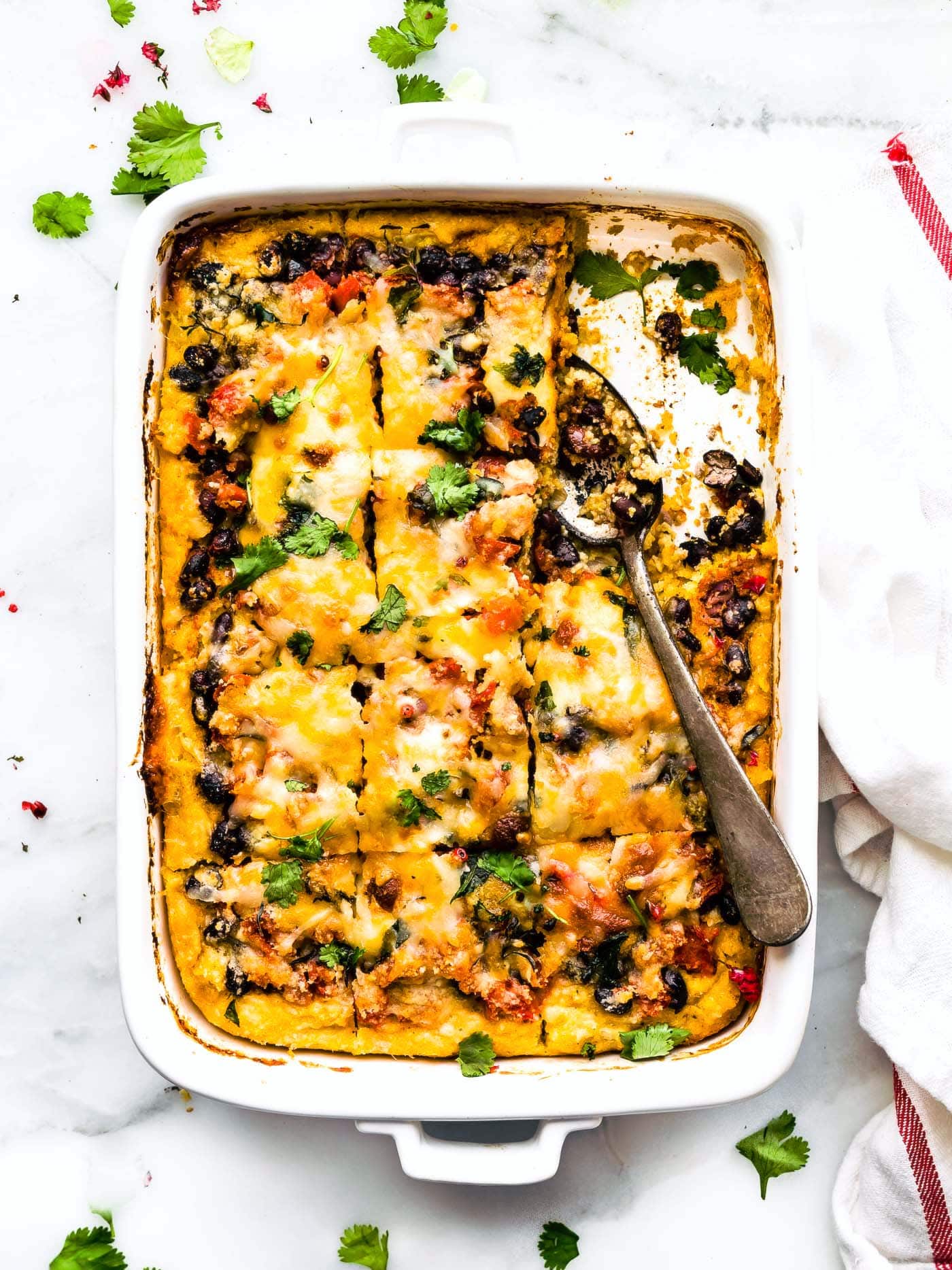
Estimated Preparation and Cooking Time
From start to finish, this dish takes approximately 40 to 45 minutes to prepare and cook. The breakdown is as follows:

- Preparation Time: 15 minutes
- Cooking Time: 25-30 minutes
This quick turnaround makes it an ideal weeknight dinner option, ensuring you can enjoy a wholesome, homemade meal without spending hours in the kitchen.
Needed Equipment
Essential Cooking Tools
- Oven: Preheated to 350°F (175°C) and later increased to 400°F (200°C)
- Medium casserole dish: Approximately 8×8 inches or similar size, oven-safe
- Cooking spray: For greasing the casserole dish and sautéing
- 2-quart saucepan: For preparing the vegetable and bean mixture
- 1-quart saucepan: For cooking the polenta
- Whisk: To stir polenta and prevent lumps
- Spatula: For spreading the polenta evenly over the casserole
- Measuring cups and spoons: For precise ingredient measurement
- Can opener: To open the pinto beans and tomato sauce
- Knife and chopping board: For chopping onions and garlic
- Grater: For Parmesan cheese
- Aluminum foil or lid: To cover the casserole during initial baking
- Cooling rack or trivet: To rest the casserole after baking
Tags
Vegetarian, Comfort Food, Easy Dinner, Family-Friendly, One-Pan Meal, Healthy, Nutritious, Baked Dish, Quick Meal, Vegetarian Main Course
Serving Size
This recipe yields approximately 6 generous servings, making it perfect for family dinners or meal prepping for the week. Each serving provides a balanced portion of proteins, fiber, and healthy fats, contributing to a wholesome diet.
Difficulty Level
Intermediate: While the steps are straightforward, attention to detail—such as stirring the polenta to prevent lumps and evenly spreading it—is essential. This recipe is suitable for cooks comfortable with sautéing, boiling, and baking, but beginners can easily follow along with patience.
Allergen Information
This dish contains:
- Milk and dairy (Parmesan cheese)
- Gluten (if using regular polenta, check labels for gluten content)
It is free from nuts, shellfish, and eggs. For dairy-free adaptations, substitute Parmesan with nutritional yeast or a dairy-free cheese alternative.
Dietary Preference
Vegetarian, can be made vegan with suitable cheese replacements. Rich in plant-based proteins and fiber, this casserole aligns well with plant-based diets and those seeking wholesome, meat-free options.
Course
Main Course
Cuisine
American / Mediterranean-inspired comfort food
Ingredients in Tables
| Quantity | Ingredient |
|---|---|
| 1 | Vegetarian ground beef (or plant-based ground meat substitute) |
| 1 can (15 oz) | Pinto beans, drained and rinsed |
| 2 cloves | Garlic, minced |
| 1 teaspoon | Cumin seed |
| 1 medium | Onion, chopped |
| 1 cup | Shredded green cabbage |
| 2 teaspoons | Ground cumin |
| 1 teaspoon | Oregano |
| 1 can (8 oz) | Tomato sauce |
| 1 cup | Water (for the vegetable mixture) |
| 1 cup | Polenta |
| 2 cups | Boiling water (for cooking polenta) |
| ½ cup | Parmesan cheese, grated |
Step-by-Step Instructions
1. Preheat the Oven
Begin by setting your oven to 350°F (175°C). Allow it to fully preheat, which typically takes about 10-15 minutes depending on your oven’s efficiency. This step ensures that when you assemble the casserole, the oven is ready to maintain an even temperature for thorough cooking and proper crust formation. While waiting, you can prepare the ingredients, which makes the process seamless and efficient.
2. Prepare the Casserole Dish
Choose an appropriately sized medium casserole dish, ideally around 8×8 inches or similar. Lightly spray it with cooking spray, ensuring that the bottom and sides are well-covered. This prevents the casserole from sticking and facilitates easy removal after baking. For an extra touch, you can lightly dust the dish with a bit of flour or breadcrumbs if you prefer a crisper crust, but this is optional. Set the prepared dish aside while you work on the filling.
3. Sauté the Onions
In a 2-quart saucepan, add a small amount of cooking spray and place it over medium heat. Once the spray is shimmering, add the chopped onions. Stir frequently to ensure even cooking and to prevent sticking or burning. Sauté the onions for approximately 3 to 4 minutes, until they become translucent and slightly softened. This step builds the flavor base for the filling, releasing the natural sweetness of the onions and creating a fragrant aroma that signals the start of a delicious dish.
4. Combine Vegetables and Spices
Next, add the minced garlic, shredded green cabbage, and cumin seed to the saucepan. Stir well to coat the vegetables with the flavors of the garlic and cumin. Cook this mixture for about 5 minutes, stirring occasionally, until the cabbage starts to soften and the mixture becomes fragrant. The cumin seed imparts an earthy, warm aroma that enhances the overall flavor profile of the casserole. At this stage, you can add more spices or herbs if desired, such as smoked paprika or fresh cilantro, to customize the flavor to your preference.
5. Add Beans and Tomato Sauce
Pour in the drained and rinsed pinto beans along with the can of tomato sauce. Add 1 cup of water to help create a flavorful, slightly saucy mixture. Stir thoroughly to combine all ingredients. Bring the mixture to a gentle simmer over medium heat. Allow it to cook, stirring occasionally, until the mixture thickens and most of the liquid is absorbed—about 10 minutes. This creates a rich, hearty filling that forms the foundation of the casserole.
6. Incorporate Vegetarian Ground Beef
Once the vegetable-bean mixture has thickened, fold in the vegetarian ground beef. Use a spatula to mix thoroughly, ensuring the meat substitute is evenly distributed throughout the filling. Cook for an additional 2-3 minutes to heat through. Remove from heat. The vegetarian ground beef adds protein and texture, elevating the dish from simple vegetable stew to a satisfying main course.
7. Prepare the Polenta
In a separate 1-quart saucepan, bring 2 cups of water to a rolling boil. Slowly add the polenta in a steady stream while whisking continuously to prevent lumps. Continue to stir for about 5 minutes until the polenta thickens to a spreadable consistency. The key to perfect polenta is constant stirring, which prevents it from sticking or forming clumps. Once thickened, remove from heat and set aside.
8. Assemble the Casserole
Carefully pour the prepared polenta over the vegetable-meat mixture in the casserole dish. Using a spatula, spread the polenta evenly across the surface, ensuring it reaches all sides and corners. Aim for a thickness of about ½ inch; this layer provides a creamy yet firm base that complements the hearty filling. Press gently to ensure good adhesion between the layers, which helps during slicing and serving.
9. Garnish with Parmesan
Sprinkle the grated Parmesan cheese generously over the top of the polenta layer. The cheese will melt during baking, forming a golden crust that adds richness and flavor. For a dairy-free version, substitute with nutritional yeast or a plant-based cheese alternative. The cheese not only enhances taste but also provides a pleasing texture contrast to the creamy polenta.
10. Bake the Casserole
Cover the casserole dish with a lid or aluminum foil to trap moisture and ensure even baking. Place in the preheated oven and bake at 350°F (175°C) for 25 minutes. This allows the flavors to meld and the top to set. After this initial baking period, remove the cover and turn up the oven temperature to 400°F (200°C). Continue baking uncovered for an additional 5 minutes, which helps the cheese develop a light golden-brown crust and enhances the overall presentation and flavor of the dish.
11. Final Touches and Serving
Once baked, carefully remove the casserole from the oven and set it on a cooling rack or trivet. Let it rest for about 5 minutes before slicing. This resting period allows the layers to settle, making serving easier and cleaner. Slice into portions and serve hot, accompanied by a fresh side salad or steamed vegetables for a complete, nutritious meal.
Preparation Tips
- Ingredient Prep: Chop onions, garlic, and cabbage beforehand to streamline the cooking process. Rinse and drain beans thoroughly to prevent excess moisture.
- Polenta Consistency: The key to creamy polenta is constant stirring. If it thickens too quickly, add a splash of hot water or broth to loosen it.
- Layering: Use a spatula to spread the polenta gently but evenly. This ensures even cooking and a uniform crust.
- Cheese Variations: Experiment with different cheeses such as mozzarella, cheddar, or vegan cheese to customize flavor profiles.
- Vegetable Variations: Feel free to add other vegetables like bell peppers, mushrooms, or zucchini, chopped finely for added texture and nutrients.
Nutritional Information in Tables
| Nutritional Component | Amount Per Serving (6 servings) |
|---|---|
| Calories | 311.8 kcal |
| Total Fat | 5.3 g |
| Saturated Fat | 0.9 g |
| Cholesterol | 1.5 mg |
| Sodium | 444.6 mg |
| Total Carbohydrates | 48.8 g |
| Dietary Fiber | 11.9 g |
| Sugars | 4.7 g |
| Protein | 19.5 g |
Tips and Tricks
- Layering: For a more cohesive casserole, let the assembled dish sit for 5 minutes before baking to allow flavors to meld.
- Cheese Topping: Mix Parmesan with a dash of paprika or cayenne pepper for a spicy crust.
- Make-Ahead: Prepare the vegetable filling and polenta ahead of time, assemble just before baking to save time.
- Vegetarian Protein: Use lentils or textured vegetable protein (TVP) instead of vegetarian ground beef for variety.
- Gluten-Free: Ensure your polenta is certified gluten-free if needed.
Add-ons and Variations
- Spicy Kick: Add diced jalapeños or a dash of hot sauce to the filling for heat.
- Herb Infusion: Incorporate fresh herbs such as basil, cilantro, or parsley for added freshness.
- Extra Vegetables: Incorporate roasted eggplant, zucchini, or bell peppers for more texture and nutrients.
- Cheese Variations: Use vegan cheeses or blend different types for unique flavor profiles.
Side Dishes
- Mixed green salad with vinaigrette
- Steamed broccoli or green beans
- Garlic roasted carrots
- Fresh tomato and cucumber salad
- Crusty bread or garlic bread for added indulgence
Improvements and Customizations
- Spice Adjustments: Experiment with smoked paprika, cumin, or chili powder in the filling for deeper flavor.
- Texture Variations: Incorporate chopped nuts or seeds on top for crunch.
- Vegan Version: Swap Parmesan with nutritional yeast and use plant-based cheese alternatives.
- Adding a Layer: Include a layer of sautéed mushrooms or roasted vegetables for more complex flavors.
Save and Store
This casserole keeps well in an airtight container in the refrigerator for up to 3 days. To reheat, place slices in a microwave-safe dish and warm for 2-3 minutes, or reheat in a preheated oven at 350°F (175°C) for about 15 minutes until heated through. For longer storage, freeze individual portions for up to 2 months. Wrap tightly in plastic wrap and then foil to prevent freezer burn. When ready to serve, thaw overnight in the refrigerator and reheat thoroughly.
FAQ
Can I use instant polenta for this recipe?
Yes, but cooking times will differ. Instant polenta requires less stirring and cooks faster—typically within 2-3 minutes. Adjust the recipe accordingly, adding it gradually to boiling water and stirring constantly until it reaches the desired consistency.
Can I make this dish vegan?
Absolutely. Replace the Parmesan cheese with nutritional yeast or a vegan cheese alternative. Use a plant-based ground meat substitute or additional beans for protein. Ensure your tomato sauce and other ingredients are free from animal products.
What if I want to add more vegetables?
Add chopped bell peppers, zucchini, mushrooms, or spinach to the vegetable mixture during sautéing. Adjust cooking times slightly to ensure added vegetables are tender.
Is this suitable for gluten-free diets?
Yes, as long as you select gluten-free polenta and verify that all processed ingredients, such as tomato sauce, are gluten-free. Always check labels to avoid cross-contamination.
Conclusion
This Vegetarian Polenta Casserole stands as a testament to the beauty of simple ingredients elevated through thoughtful preparation. Its rich flavors, hearty texture, and nourishing qualities make it an ideal choice for those seeking a wholesome, meat-free meal that doesn’t compromise on taste or comfort. Whether served on a busy weeknight or at a leisurely weekend gathering, this dish promises satisfaction, warmth, and a touch of culinary elegance. Remember, at Love With Recipes, we cherish recipes that bring families and friends together around the table, and this casserole is a perfect addition to your collection of go-to comforting dishes.
References
While this recipe is inspired by a presentation by Cynthia Liar, additional insights on polenta and vegetarian casseroles can be found in Vegetarian Cooking for Everyone by Deborah Madison and the Food Network culinary archives.