Introduction
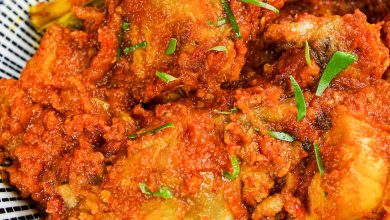
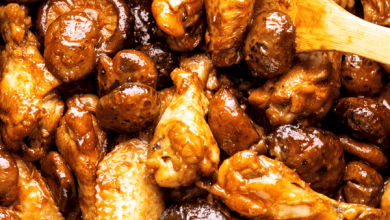
Ayam Ungkep is a cherished Indonesian culinary tradition, celebrated for its rich layers of flavor, tender meat, and aromatic spices. Originating from the culinary landscapes of Java and other Indonesian islands, this slow-cooked chicken dish exemplifies the art of balancing spice, aroma, and texture to create a truly comforting yet flavorful meal. The process involves marinating the chicken, simmering it gently with a fragrant spice paste and aromatic herbs, then finishing with a crispy fry that adds a delightful contrast to the tender meat. This dish is often served during special family gatherings, festivities, or casual Sunday lunches, embodying the warmth and convivial spirit of Indonesian home cooking. As a pioneering recipe on Love With Recipes, this detailed guide aims to provide culinary enthusiasts with a comprehensive understanding of Ayam Ungkep, its cultural significance, and step-by-step instructions to recreate this iconic dish with authenticity and finesse.
Time
- Preparation Time: 20 minutes
- Marination Time: 15 minutes
- Cooking Time: 1 hour 30 minutes
- Frying Time: 10 minutes
- Total Time: Approximately 2 hours 15 minutes
Needed Equipment
- Large mixing bowl
- Sharp knife and cutting board
- Blender or mortar and pestle for spice paste preparation
- Large pot or Dutch oven
- Slotted spoon or tongs
- Frying pan or wok
- Kitchen tongs or slotted spoon for frying
- Paper towels for draining
- Measuring cups and spoons
- Serving platter or plate
Tags
Indonesian cuisine, traditional recipe, slow-cooked chicken, aromatic spices, comfort food, family recipe, authentic Indonesian dish, Indonesian spices, crispy fried chicken, home cooking

Serving Size
This recipe yields approximately 4 to 6 servings, depending on portion size and accompanying dishes.
Difficulty Level
Intermediate — requires familiarity with basic cooking techniques such as marinating, simmering, and frying. The key to success lies in managing the slow simmer to develop flavors without overcooking the chicken.
Allergen Information
- Contains: garlic, ginger, turmeric, coriander seeds
- Note: Cross-contamination with other allergens depends on kitchen environment
Dietary Preference
Gluten-Free: Yes (if using pure spices and avoiding soy sauce or other gluten-containing additives)
Ketogenic: Yes, depending on portion size and accompanying side dishes
Low-Carb: Yes, suitable for low-carb diets
Course
Main Course
Cuisine
Indonesian
Ingredients
Main Ingredients
| Ingredient | Quantity | Notes |
|---|---|---|
| Whole chicken, cut into pieces | 1 | Approximately 1.5 to 2 kg |
| Water | 600 ml | For simmering |
| Lemongrass stalks, smashed | 1 | Fresh, aromatic |
Ground Spice Paste
| Ingredient | Quantity | Preparation |
|---|---|---|
| Garlic cloves | 3 | Fresh |
| Coriander seeds | 1 teaspoon | To be ground into powder |
| Turmeric root | 1-inch piece | Fresh |
| Ginger | 1-inch piece | Fresh |
| Salt | 1/2 tablespoon | Adjust to taste |
Instructions
Step 1: Preparing the Chicken
Begin by selecting high-quality fresh chicken. Rinse the chicken pieces thoroughly under cold running water to remove any residual blood or impurities. Drain the excess water completely using a clean kitchen towel or paper towels. The rinsing process ensures that the chicken is clean and ready for marination.
Next, rub the chicken with fresh lime juice, which acts as a natural tenderizer and flavor enhancer. Use about 1 to 2 tablespoons of lime juice, ensuring each piece is coated evenly. Sprinkle a pinch of salt over the pieces, then set aside to marinate for at least 15 minutes. This step helps to infuse the meat with subtle acidity and prepares it for the subsequent cooking process.
After marination, rinse the chicken again under cold water to remove excess lime juice and salt, then drain thoroughly. Pat dry with paper towels to remove surface moisture, which is crucial for achieving a crispy texture during frying.
Step 2: Preparing the Spice Paste
The spice paste forms the flavor backbone of Ayam Ungkep. To prepare it, combine the garlic cloves, coriander seeds, turmeric root, and ginger in a blender or mortar and pestle. For grinding in a blender, add a splash of water or oil to facilitate smooth blending. Alternatively, if using a mortar and pestle, grind the ingredients until you achieve a smooth, homogeneous paste.
Add the salt during the blending process to help release the flavors from the spices and to season the paste evenly. The resulting spice paste should be aromatic, vibrant, and smooth, with a bright yellow hue from the turmeric. The consistency should be thick enough to coat the chicken evenly when applied.
Step 3: Cooking the Chicken
In a large, heavy-bottomed pot or Dutch oven, bring 600 ml of water to a rolling boil. Add the smashed lemongrass stalk to impart a fresh citrus aroma that characterizes Indonesian dishes. Once boiling, carefully add the prepared spice paste, stirring to combine. Allow the mixture to simmer for a few minutes, releasing fragrant aromas and ensuring the spices are well incorporated into the broth.
Gently add the chicken pieces into the pot, ensuring they are submerged in the aromatic broth. Adjust the heat to low, maintaining a gentle simmer. Cover the pot partially to allow steam to escape while preventing too much liquid loss. Cook the chicken slowly for approximately 1 hour to 1 hour 30 minutes, occasionally skimming off any foam or impurities that may surface. This slow simmer allows the flavors to penetrate deeply into the meat, rendering it tender and infused with the complex spice blend.
During cooking, monitor the liquid level. If it reduces excessively, add a splash of hot water to maintain the desired amount of broth. The goal is to have a flavorful, concentrated liquid that imparts richness and depth to the dish.
Step 4: Frying the Chicken
Once the chicken is tender and has absorbed the spices, carefully remove the pieces from the pot using a slotted spoon or tongs. Drain any excess broth back into the pot, which can be reserved for making kremesan or other uses.
Heat a generous amount of oil in a frying pan or wok over medium heat. The oil should be hot enough to produce a sizzle when the chicken is added. Carefully place the chicken pieces into the hot oil, avoiding overcrowding the pan to ensure even frying.
Fry the chicken until golden brown and crispy on all sides, approximately 8 to 10 minutes, turning occasionally with tongs or a slotted spoon. Achieving a crispy exterior enhances the textural contrast and provides an appealing presentation. Once fried, transfer the chicken onto paper towels to absorb excess oil and retain crispiness.
Step 5: Serving the Dish
Arrange the crispy fried chicken on a serving platter. Serve hot, accompanied by traditional Indonesian side dishes such as rice, sambal, or stir-fried vegetables. For an added flavor dimension, use the leftover cooking liquid from the initial stewing process to prepare kremesan, crispy chicken bits that add crunch and umami to your meal. The kremesan can be served as a topping or snack alongside the main course.
This dish is best enjoyed fresh but can be stored for later use following proper storage techniques described below.
Preparation Tips
- Marinate thoroughly: Marinating the chicken with lime juice and salt enhances tenderness and flavor infusion.
- Slow simmer: Maintaining a gentle simmer prevents the chicken from becoming tough and allows flavors to develop fully.
- Consistent frying temperature: Ensuring the oil is at the right temperature guarantees crispy, evenly fried chicken.
- Use fresh spices: Freshly ground spices provide a more vibrant aroma and flavor compared to pre-ground options.
Nutritional Information
| Nutrient | Per Serving (approximate) |
|---|---|
| Calories | 350 kcal |
| Protein | 30 g |
| Fat | 20 g |
| Carbohydrates | 10 g |
| Sodium | 600 mg |
Tips and Tricks
- Enhance flavor: Add a splash of coconut milk to the simmering broth for a richer, creamier taste.
- Spice variations: Incorporate additional Indonesian spices such as star anise, cloves, or bay leaves for an even more layered flavor profile.
- Crisping perfection: For extra crispy chicken, coat the fried pieces lightly in cornstarch before frying.
- Marinating time: For deeper flavor, marinate the chicken for up to an hour or more, refrigerated.
Add-ons
- Freshly sliced cucumber and tomatoes for a refreshing side
- Indonesian sambal for added heat and flavor
- Fried shallots and chopped scallions for garnishing
- Steamed jasmine rice or coconut rice
Side Dishes
- Nasi Uduk (Indonesian coconut rice)
- Stir-fried vegetables with garlic and sambal
- Satal salad with peanut sauce
- Gado-Gado (Indonesian vegetable salad with peanut sauce)
Improvements
- Marinate longer: Extending marination time enhances flavor absorption, especially if using tougher chicken parts.
- Adjust spice levels: Customize spice paste to suit personal heat preferences by adding chili or chili powder.
- Use homemade spices: Toast and grind your own coriander seeds for a fresher, more aromatic spice paste.
- Alternative cooking methods: Consider oven roasting or grilling for a different texture while maintaining flavor integrity.
Save and Store
Leftover Ayam Ungkep can be stored in an airtight container in the refrigerator for up to 3 days. For longer storage, refrigerate the fried chicken separately and reheat in an oven or air fryer to maintain crispiness. The leftover spice broth can be cooled, strained, and stored in a sealed jar in the refrigerator for up to 2 days, or frozen for up to 1 month. Reuse the broth for making kremesan or as a flavorful base for rice or noodle dishes.
FAQ
Can I use chicken thighs or drumsticks instead of whole chicken?
Yes, chicken thighs or drumsticks work well and can reduce cooking time. Adjust the marination and cooking times accordingly, typically around 45 minutes to 1 hour for thighs and drumsticks.
Is this dish spicy?
The spice paste provides a mild to moderate heat level depending on how much chili or chili powder you add. You can customize the spice level by adjusting these ingredients.
Can I make this dish vegetarian?
While traditionally made with chicken, you can substitute with firm tofu or tempeh, marinate and cook using the same spice paste and technique, adjusting cooking times accordingly.
What is kremesan, and how is it made?
Kremesan is a crispy chicken skin or bits that are fried until golden and crunchy. The leftover cooking liquid from Ayam Ungkep can be used to make kremesan by frying small pieces or skin until crispy, then seasoning with salt or spices. Detailed kremesan recipes are available on Love With Recipes for those interested in exploring this delightful Indonesian snack.
Conclusion
Ayam Ungkep stands as a testament to Indonesian culinary artistry, blending aromatic spices, slow cooking, and crispy finishes into a harmonious dish that delights the senses. Its versatility makes it suitable for everyday family meals or special celebrations, offering a taste of Indonesia’s rich cultural heritage. Mastering this recipe elevates your home cooking repertoire, allowing you to share authentic flavors with friends and family. With patience and attention to detail, anyone can create this iconic Indonesian dish that embodies comfort, tradition, and culinary excellence. Remember, the key lies in slow simmering to develop depth of flavor, perfectly crispy frying, and balancing spice with aromatic herbs. Enjoy the process, and savor a truly authentic Indonesian experience right in your kitchen, courtesy of Love With Recipes!
References
- Indonesian Food & Cooking: A Culinary Journey by Sri Owen
- Authentic Indonesian Recipes by William Wongso