Introduction
Old Time Baked Beans, a cherished culinary tradition rooted in French-Canadian heritage, embodies the soulful simplicity and hearty flavors that define regional comfort food. Passed down through generations, this recipe combines tender navy beans with a rich tapestry of sweet, savory, and smoky elements, creating a dish that is both nostalgic and versatile. Whether served as a main course, a side dish, or a potluck favorite, these baked beans exemplify slow-cooked perfection and timeless appeal. Lovewithrecipes.com is proud to bring you this detailed, comprehensive guide to making authentic Old Time Baked Beans—crafted with care, precision, and a deep respect for tradition.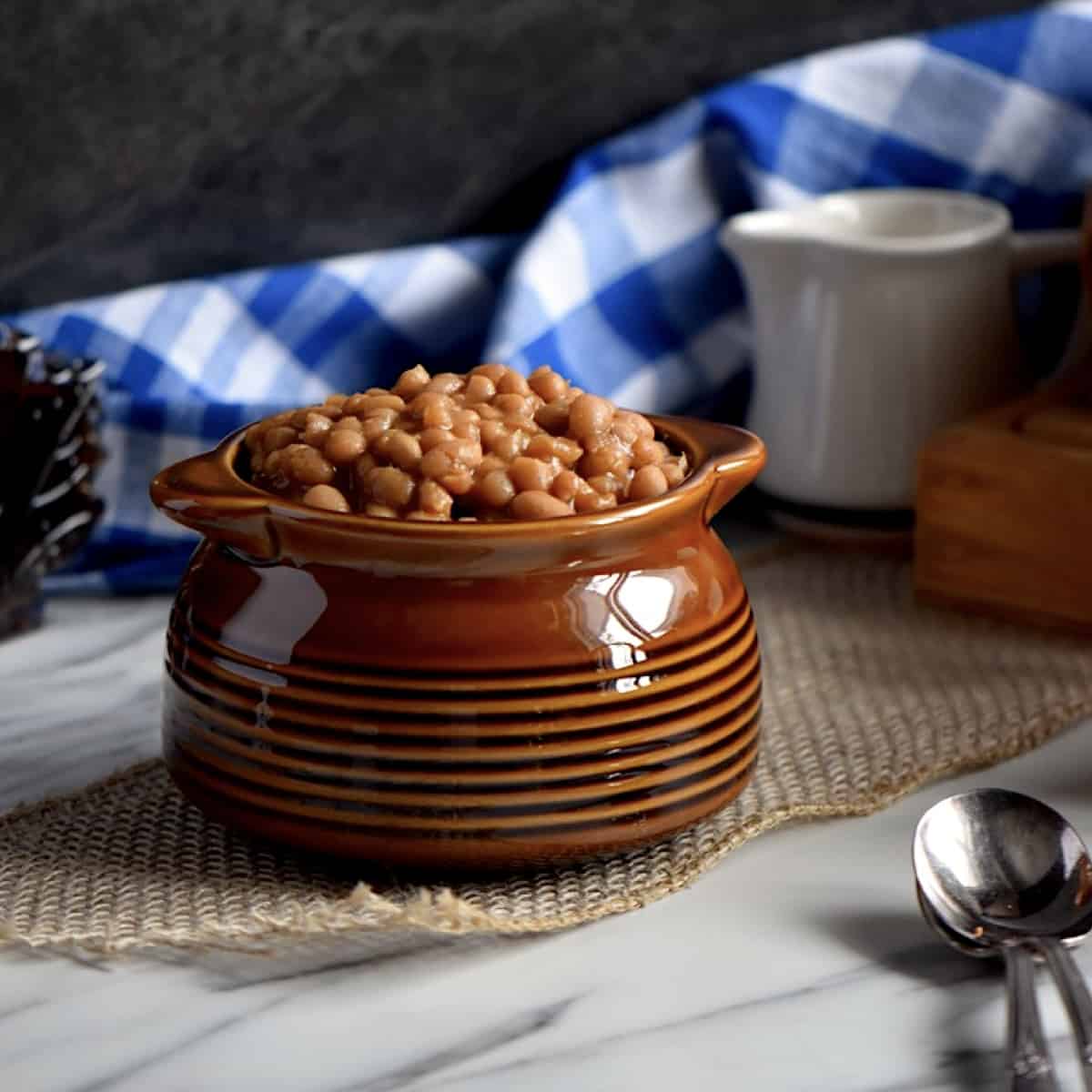
Time
Preparation Time
Approximately 24 hours, which includes soaking the beans overnight. This crucial step softens the beans and reduces cooking time, ensuring a creamy, tender texture.
Cooking Time
Approximately 6 hours in the oven, allowing flavors to meld and develop into a rich, hearty profile. The long, slow bake ensures maximum flavor infusion and a perfect consistency.
Total Time
Approximately 30 hours from start to finish, including prep, soaking, and baking—embracing the patience of traditional slow-cooked comfort food.
Needed Equipment
- Large mixing bowls for soaking
- Heavy-duty pot or saucepan for boiling beans
- Large sturdy mixing spoon or spatula
- Oven-safe baking dish or crock (preferably 5-liter capacity)
- Lid or aluminum foil for covering during baking
- Measuring cups and spoons
- Sharp knife and chopping board for vegetables
- Vegetable peeler (optional, for prepping vegetables)
- Strainer or colander for draining beans
- Thermometer (optional, to monitor oven temperature)
- Storage containers for leftovers
- Optional slow cooker if preparing via crockpot method
Tags
Canadian, Vegan, Potluck, Hearty, Traditional, Slow-Cooked, Comfort Food, Family Recipe, Classic, Oven-Baked
Serving Size
Each serving provides approximately 1 cup of baked beans, serving 8 hearty portions. This size makes it suitable for family dinners, gatherings, or potluck contributions.
Difficulty Level
Moderate. The recipe involves soaking, boiling, and long baking processes, but each step is straightforward with proper attention. It’s an excellent choice for home cooks comfortable with multi-step cooking and patience for slow-cooked dishes.
Allergen Information
- Contains legumes (navy beans)
- Contains sugar (brown sugar and molasses)
- Contains ketchup (which may contain soy or gluten depending on brand)
Note: If you have specific allergies, ensure all ingredients used are free from your allergens. The recipe is naturally vegan if no meat or bacon is added.
Dietary Preference
- Vegetarian: Yes, by omitting meat or bacon
- Vegan: Yes, with no animal-derived ingredients
- Gluten-Free: Yes, provided ketchup and other condiments are gluten-free
Course
Main Course / Side Dish
Cuisine
French-Canadian / North American / Comfort Food
Ingredients
In Table Format
| Ingredient | Quantity | Notes |
|---|---|---|
| Naval Beans | 2 cups | Dry beans, soaked overnight |
| Onions | 2 | Finely chopped |
| Celery Ribs | 4 | Chopped |
| Brown Sugar | 1 cup | Light or dark |
| Ketchup | ¾ cup | Check for gluten if necessary |
| Molasses | 5 tablespoons | Dark or light, depending on preference |
| Dry Mustard | 1 tablespoon | Powdered |
| Salt | 1 teaspoon | Adjust to taste |
| Black Pepper | 1 teaspoon | Freshly ground recommended |
| Water | As needed during baking | To keep beans moist |
Instructions
Step 1: Preparing the Beans
Begin by thoroughly rinsing the dry navy beans under cold running water. Sorting through the beans to remove any debris, damaged beans, or stones is essential to ensure quality and safety. Once rinsed, transfer the beans into a large bowl or container suitable for soaking. Cover the beans with ample cold water—at least three times their volume—to allow for expansion during soaking. Let the beans soak overnight, ideally for 12 to 24 hours, in a cool, dark place. This process softens the beans, reduces cooking time, and enhances digestibility. For those in a hurry, a quick-soak method can be employed: boil the beans in water for 2 minutes, remove from heat, and let sit covered for 1 hour before proceeding.
Step 2: Draining and Boiling the Beans
After soaking, drain the beans using a colander or strainer and rinse them thoroughly with cold water. Transfer the soaked beans into a large, heavy-bottomed pot—preferably stainless steel or cast iron for even heat distribution. Cover the beans with fresh water, ensuring the water level is about 2 inches above the beans. Place the pot over medium-high heat and bring to a gentle boil. Reduce the heat to maintain a simmer and cook the beans until they are tender but not falling apart—this typically takes 1 to 1.5 hours. Skim off any foam that forms during boiling, which is a natural byproduct of legume cooking. Periodically check the water level, adding more boiling water if necessary to prevent the beans from drying out. The goal is to achieve soft, creamy beans that hold their shape but are fully cooked.
Step 3: Combining Ingredients
Once the beans are tender, drain them and set aside. In a large, oven-safe crock or baking dish (roughly 5 liters capacity), combine the pre-cooked beans with the remaining ingredients: finely chopped onions, chopped celery, brown sugar, ketchup, molasses, dry mustard, salt, and black pepper. Use a sturdy spoon or spatula to thoroughly mix all ingredients, ensuring an even distribution of flavors. The mixture should be fragrant, with the sweet and savory elements harmonizing beautifully. This step is critical for flavor development and ensuring the beans absorb the seasoning during the baking process.
Step 4: Adding Water and Baking
Pour enough water into the mixture to just cover the beans—this prevents them from drying out during the long bake. Preheat your oven to 325°F (163°C). Cover the baking dish tightly with a lid or aluminum foil to trap moisture and facilitate slow, even cooking. Place the dish in the oven and bake for approximately 6 hours. During baking, it’s essential to periodically check the beans, especially if your oven runs hot or if the dish is uncovered. Add additional hot water as needed to maintain the liquid level, ensuring the beans stay moist and the flavors meld beautifully. This slow baking process allows the flavors of the molasses, ketchup, and seasonings to penetrate deeply into the beans, creating a rich, layered taste profile.
Step 5: Finishing and Serving
After the baking time is complete, carefully remove the dish from the oven. The beans should be tender, flavorful, and slightly caramelized on top. Allow the dish to cool for a few minutes before serving. The baked beans can be enjoyed hot directly from the oven or cooled and stored for later. They pair wonderfully with fresh bread, cornbread, or crusty rolls, which can be used to scoop up the sweet and savory beans. For added flavor, consider topping with crispy bacon strips, sliced weiners, or chunks of cooked pork to transform this vegetarian dish into a meaty main course. These beans also make a fantastic side dish for barbecues, roasts, or simple weeknight dinners. Their robust flavor and hearty texture make them a guaranteed crowd-pleaser at gatherings and potlucks.
Preparation Tips
- Soaking the Beans: For best results, soak the beans overnight in cold water. If time is short, employ the quick-soak method described above.
- Cooking the Beans: Use a heavy-bottomed pot to prevent scorching. Maintain a gentle simmer and skim foam regularly for a cleaner taste.
- Flavor Development: For deeper flavor, consider adding a dash of smoked paprika or a pinch of cayenne pepper during mixing.
- Water Levels: Keep an eye on the water level during baking to prevent the beans from drying out. Add hot water to maintain moisture.
- Meat Variations: Incorporate cooked bacon, sliced sausages, or pork chunks before baking for a meaty upgrade.
Nutritional Information
| Nutrient | Per Serving | % Daily Value |
|---|---|---|
| Calories | 337.5 kcal | 17% |
| Total Fat | 0.9 g | 1% |
| Saturated Fat | 0.1 g | 0% |
| Cholesterol | 0 mg | 0% |
| Sodium | 839.6 mg | 35% |
| Total Carbohydrates | 74.9 g | 25% |
| Dietary Fiber | 12.9 g | 52% |
| Sugars | 40.7 g | 81% |
| Protein | 10.3 g | 21% |
Tips and Tricks
- Flavor Variations: Add a splash of apple cider vinegar or a teaspoon of Worcestershire sauce to enhance depth.
- Sweetness Control: Adjust brown sugar and molasses to suit your taste; for less sweetness, reduce the sugar slightly.
- Texture Adjustment: For creamier beans, mash a portion of the cooked beans before baking, or stir in a bit of cooked mashed sweet potato for richness.
- Cooking in Crockpot: For convenience, combine all ingredients in a slow cooker after boiling the beans and cook on low for 8-10 hours.
- Vegetarian & Vegan Options: Skip meats and use plant-based smoked bacon bits or liquid smoke for smoky flavor.
Add-ons and Variations
- Meat Additions: Incorporate cooked bacon, sliced weiners, ham chunks, or shredded pork for a meaty twist.
- Spicy Kick: Add cayenne pepper, hot sauce, or diced jalapeños for heat.
- Herb Enhancements: Fresh thyme, rosemary, or bay leaves can be added during baking for aromatic complexity.
- Sweet Alternatives: Use maple syrup or dark corn syrup instead of molasses for variety.
Side Dishes
- Freshly baked crusty bread, cornbread, or rolls for scooping
- Simple green salad with vinaigrette to balance sweetness
- Grilled or roasted vegetables, such as corn on the cob or grilled zucchini
- Pickles and relishes to add acidity and contrast
Improvements
- Experiment with different types of beans, such as great northern or pinto, for variation in texture and flavor.
- Add chopped smoked sausage or chorizo for a smoky, spicy profile.
- Incorporate vegetables like bell peppers, carrots, or diced potatoes for added nutrition and flavor.
- Finish with a sprinkle of fresh parsley or scallions before serving for a pop of color and freshness.
Save and Store
Leftover baked beans can be stored in airtight containers in the refrigerator for up to 5 days. For longer storage, freeze in zip-top bags or freezer-safe containers for up to 3 months. Reheat gently on the stovetop or in the microwave, adding a splash of water or broth to restore moisture. To reheat in the oven, cover the dish with foil and warm at 325°F (163°C) until heated through, stirring occasionally. These beans taste even better the next day as flavors meld and deepen.
FAQ
Can I use canned beans instead of dried?
Absolutely. To save time, drain and rinse canned navy beans thoroughly. Incorporate them into the mixture and proceed with baking. Adjust the baking time as canned beans are already cooked—bake for about 1-2 hours to allow flavors to meld and develop.
What if I don’t have molasses?
Substitute with dark corn syrup or pure maple syrup. Both options add sweetness and depth, though the flavor profiles differ slightly. For a richer, more authentic taste, maple syrup is a good choice.
Can I prepare this dish in advance?
Yes. The baked beans can be assembled and baked a day ahead. Reheat gently in the oven or microwave before serving. The flavors intensify after resting, making it an ideal make-ahead dish for gatherings.
Is this recipe suitable for vegetarians or vegans?
Yes. Simply omit any added meats or bacon. The dish is naturally vegan-friendly with the ingredients listed, and the smoky flavor can be achieved using liquid smoke or smoked paprika if desired.
Conclusion
Old Time Baked Beans encapsulate a tradition of slow-cooked comfort and flavor, offering a versatile dish that can be tailored to various dietary preferences and occasions. Its robust combination of tender navy beans, sweet molasses, and savory seasonings creates a symphony of flavors that evoke nostalgia and satisfy hearty appetites. Whether served as a main course, a side dish, or a potluck centerpiece, this recipe embodies the essence of home-cooked goodness. Lovewithrecipes.com invites you to embrace this culinary heritage, enjoy the process of slow baking, and serve a dish that’s as timeless as it is delicious.
References
- Canadian Food History: The Legacy of Traditional Beans Recipes. (2020).
- The New Authentic Canadian Cookbook. (2018).