

Introduction
Orecchiette with Broccoli Rabe, known locally in Italy as “Orecchiette con le Cime di Rapa,” is a quintessential dish hailing from the southern region of Apulia (Puglia). This culinary gem exemplifies the rustic charm and rich cultural history of the region, where simple ingredients are transformed into a hearty, flavorful, and deeply satisfying meal. Rooted in centuries-old traditions, this dish combines the slightly bitter, earthy flavor of broccoli rabe with the savory depth of anchovies, the aromatic punch of garlic, and the satisfying crunch of toasted breadcrumbs. Made with handmade orecchiette pasta that resembles little ears, the dish beautifully balances textures and flavors, offering a true taste of Italy’s southern coastline. As a first course, it provides a nourishing and aromatic start to any Italian meal, suitable for both casual family dinners and elegant gatherings. The love and care infused into each step reflect the culinary ethos of Italian home cooking—simple, authentic, and deeply rooted in regional heritage. This recipe, shared through Love With Recipes, celebrates the timeless appeal of traditional Apulian cuisine, inviting home cooks to discover and appreciate the nuanced flavors that define this beloved dish.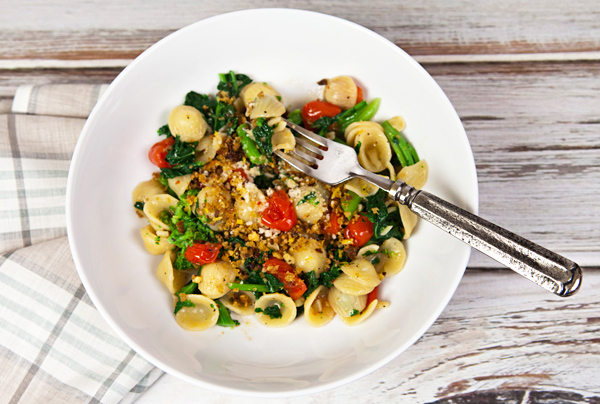
Time
Preparing the Orecchiette with Broccoli Rabe from start to finish requires approximately 2 hours. This duration encompasses all stages, including dough preparation, resting, shaping, cooking, and final assembly. The actual hands-on cooking time is around 1 hour, while the rest periods allow the dough to relax, ensuring optimal texture and ease of shaping.

Needed Equipment
- Mixing bowls: For preparing the pasta dough and marinating ingredients.
- Work surface: A clean, flat surface for kneading and shaping the dough.
- Rolling pin: To roll out the dough if needed (though shaping by hand is traditional).
- Knife or pastry cutter: For cutting the dough into small pieces.
- Thumb or small shaping tool: To form the characteristic orecchiette shape.
- Large pot: For boiling water and cooking the pasta and broccoli rabe.
- Colander or strainer: For draining pasta and blanched broccoli rabe.
- Skillet or frying pan: For toasting breadcrumbs and preparing the sauce.
- Wooden spoon or spatula: To stir ingredients during toasting and cooking.
- Measuring cups and spoons: For precise ingredient measurement.
- Kitchen scale: To weigh pasta ingredients accurately.
- Peeler or small knife: For preparing garlic and trimming broccoli rabe.
- Cloth or plastic wrap: To cover dough during resting periods.
- Cooking thermometer (optional): To monitor water temperature.
- Serving platter or plate: For presenting the finished dish.
Tags
Authentic Italian, Traditional, Pasta, Vegetarian, Regional Cuisine, Comfort Food, Homemade, Classic, Family Recipe, Gourmet, Rustic, Healthy, Easy to Make
Serving Size
This recipe yields approximately 3 generous servings, perfect as a first course for a family meal or a small gathering. Each serving contains a balanced portion of pasta, vegetables, and flavorful toppings, making it suitable for a light yet satisfying meal.
Difficulty Level
Moderate. While the process involves multiple steps—including dough kneading, shaping, and precise cooking—the techniques are straightforward and suitable for home cooks with basic culinary skills. Patience in shaping the orecchiette and attention to timing will ensure a successful outcome.
Allergen Information
| Allergen | Present |
|---|---|
| Gluten | Yes (semolina flour) |
| Fish | Yes (anchovies) |
| Garlic | Yes |
| Tree Nuts / Peanuts | No |
| Dairy | No (unless added) |
Individuals with gluten intolerance or seafood allergies should exercise caution. Substitutes can be explored for gluten-free diets but may alter traditional texture and flavor.
Dietary Preference
Vegetarian: No (due to anchovies). For a vegetarian version, omit anchovies and adjust seasoning accordingly. Vegan adaptations are possible by replacing anchovies with plant-based umami sources such as miso paste or sun-dried tomatoes.
Course
Main Course / First Course
Cuisine
Italian, Apulian, Mediterranean
Ingredients
Ingredients in Tables
| Ingredient | Quantity | Notes |
|---|---|---|
| Broccoli rabe (Cime di rapa) | 1 kg | Fresh, well-cleaned |
| Breadcrumbs | 50 g | For toasting and topping |
| Fine salt | To taste | For pasta water and seasoning |
| Garlic | 1 clove | Crushed or sliced |
| Anchovies in oil | 3 fillets | Optional, for flavor |
| Extra virgin olive oil | 30 g | For cooking and finishing |
| Water | 100 g | For pasta dough |
| Semolina flour (re-milled durum wheat) | 200 g | For pasta dough |
| Fine salt (for pasta) | To taste | For cooking pasta |
Instructions
1. Making the Orecchiette Pasta
Begin by preparing the pasta dough, which is fundamental for authentic orecchiette. Place the semolina flour on a clean work surface, forming a mound with a well in the center. This traditional method ensures proper hydration and gluten formation, leading to an elastic, workable dough. Pour the room-temperature water gradually into the well, mixing with your fingers or a fork to incorporate the flour. As you mix, start kneading the mixture with your hands, pressing and folding until the dough becomes smooth, pliable, and slightly tacky but not sticky. This process typically takes about 10 minutes and is crucial for developing the right texture.
Once the dough reaches a consistent elasticity, shape it into a ball, cover it with a damp cloth or plastic wrap, and let it rest for at least 30 minutes. Resting relaxes the gluten strands, making the dough easier to shape and preventing it from shrinking during shaping.
After resting, divide the dough into smaller portions—roughly equal to the size of a golf ball—to facilitate handling. Keep the remaining dough covered to prevent drying out. Roll one portion into a long, thin log about 1 cm in diameter. Using a sharp knife or pastry cutter, slice the log into small pieces approximately 1 cm long. Each piece will be shaped into the iconic “little ear” of the orecchiette.
To shape each piece, press your thumb into the center of the small dough ball and drag it backward along the work surface, creating a concave shell resembling an ear. You can also use the back of a small spoon or your finger to assist in forming a consistent shape. Place the shaped orecchiette on a floured tray, ensuring they don’t stick together, and repeat until all dough is used up. Cover the shaped pasta with a cloth and set aside while you prepare the sauce and vegetables.
2. Preparing the Broccoli Rabe
Broccoli rabe, or Cime di Rapa, is a leafy green vegetable with tender leaves, small florets, and slightly bitter flavor. Proper cleaning is essential to remove grit and tough outer leaves. Begin by trimming the base of the stalks, removing any woody or tough parts. Peel away any damaged or overly coarse outer leaves, leaving the tender inner leaves and florets intact.
Wash the broccoli rabe thoroughly under cold running water, agitating to remove dirt and insects. Drain well, or spin in a salad spinner to eliminate excess water. Excess moisture can dilute the flavor and cause splattering during cooking. Set aside.
3. Blanching the Broccoli Rabe
Bring a large pot of salted water to a rolling boil. The salt not only seasons the vegetable but also helps preserve its vibrant green color. Add the broccoli rabe and blanch for approximately 5 minutes, or until the leaves are tender but still retain a slight bite, and the florets are soft. Be careful not to overcook, as this can lead to a loss of flavor and texture. During the blanching process, the vegetables will turn a brighter green, a sign of proper cooking.
Once cooked, drain the broccoli rabe quickly and transfer to a bowl of ice water to halt the cooking process and preserve its color. After a few minutes, drain again and set aside. Retain the cooking water—it will be used later to cook the pasta, imparting flavor and helping the pasta absorb the vegetable’s essence.
4. Toasting the Breadcrumbs
While the vegetables are boiling, prepare the crunchy topping that is characteristic of this dish. Heat half of the olive oil in a large skillet over medium heat. Add the breadcrumbs and stir continuously with a wooden spatula or spoon. Toast until golden brown and crispy, which takes about 5–7 minutes. Be attentive to prevent burning; adjust the heat if necessary. Once toasted, transfer the breadcrumbs to a bowl and set aside. The toasted crumbs will add texture and a nutty flavor, balancing the bitterness of the greens.
5. Preparing the Flavorful Sauce with Anchovies and Garlic
In the same skillet, add the remaining olive oil over medium heat. Crush or slice the garlic clove and add it to the pan, allowing it to infuse the oil with aroma. Add the anchovy fillets, draining them from their oil, and stir gently. As the anchovies melt, they will create a savory, umami-rich sauce. Use a wooden spoon to break apart the anchovies, ensuring they dissolve into the oil, releasing their intense flavor. Be cautious: the anchovies may sizzle when added to hot oil, so monitor the heat to prevent splattering or burning.
6. Cooking the Orecchiette Pasta
Bring the reserved broccoli rabe cooking water back to a boil. Season lightly with fine salt, as the pasta will absorb some of this seasoned water. Add the shaped orecchiette to the boiling water and cook for approximately 8–10 minutes. Stir gently to prevent sticking, and watch for the orecchiette to float to the surface—a sign that they are cooked through. The cooking time can vary slightly depending on the thickness of the dough and shape, so taste-test a piece for tenderness.
7. Combining the Components
Using a slotted spoon or strainer, carefully lift the cooked orecchiette and transfer them directly into the skillet with the anchovy-garlic sauce. Add the drained broccoli rabe as well. Toss gently to combine, allowing the pasta to soak up the flavors of the sauce and vegetables. If the mixture seems dry, add a small splash of the reserved pasta cooking water to loosen and help everything adhere. This step is vital for creating a harmonious, well-coated dish.
8. Final Touches and Serving
Sprinkle the toasted breadcrumbs over the pasta mixture, stirring gently to distribute evenly. The crunchy topping adds texture contrast and visual appeal. Taste the dish and adjust the seasoning with a pinch of salt or a drizzle of extra virgin olive oil if needed. Serve immediately, garnished with additional olive oil if desired, while still warm.
Preparation Tips
- Rest the dough: Allowing the dough to rest for at least 30 minutes improves elasticity, making shaping easier and ensuring a tender yet firm texture.
- Shape consistency: Keep all orecchiette uniform in size for even cooking and aesthetic appeal.
- Flavor layering: Infusing the oil with anchovies and garlic before mixing with the pasta maximizes umami and depth.
- Vegetable prep: Proper cleaning and blanching preserve color, flavor, and texture of broccoli rabe.
- Cooking water: Use the seasoned broccoli rabe water for cooking pasta—it adds flavor and richness.
- Toasting breadcrumbs: Keep stirring to avoid burning and achieve a golden, crunchy finish.
Nutritional Information
| Nutrient | Per Serving |
|---|---|
| Calories | 400 kcal |
| Carbohydrates | 58 g |
| Protein | 10 g |
| Fat | 15 g |
| Saturated Fat | 2 g |
| Fiber | 6 g |
| Sodium | 600 mg |
| Cholesterol | 10 mg |
Tips and Tricks
- Make ahead: Prepare the pasta dough and shape the orecchiette a day in advance; keep covered in the refrigerator wrapped in plastic wrap to prevent drying.
- Variations: For a vegan version, omit anchovies and enhance umami flavor with nutritional yeast or miso paste added to the sauce.
- Texture play: Use toasted breadcrumbs generously for a crunch contrast, or sprinkle over individual servings for freshness.
- Flavor enhancement: Add a pinch of red pepper flakes during the anchovy-garlic sauté for a spicy kick.
- Presentation: Serve in a rustic bowl or platter, drizzling additional olive oil and garnishing with freshly chopped parsley or chili flakes.
Add-ons and Variations
- Cheese: Grated Pecorino Romano or Parmesan can be sprinkled on top for added richness.
- Protein: Add cooked shrimp, grilled chicken, or pancetta for a non-vegetarian twist.
- Other greens: Substitute or include kale, Swiss chard, or spinach for different flavor profiles.
- Spicy version: Incorporate red pepper flakes during the sauce preparation for heat.
Side Dishes
- Crusty Italian bread: Perfect for soaking up the flavorful sauce.
- Insalata Mista: A simple mixed salad dressed with olive oil and lemon complements the rich flavors.
- Roasted vegetables: Eggplant, zucchini, or cherry tomatoes roasted with herbs provide a colorful side.
Improvements
- Homemade pasta: Experiment with different flours, such as whole wheat or spelt, to enhance nutritional value.
- Flavor layering: Incorporate a splash of white wine or lemon zest during sauce preparation for extra brightness.
- Texture variation: Add toasted pine nuts or chopped walnuts for additional crunch and flavor complexity.
Save and Store
Uncooked shaped orecchiette can be stored in a single layer on a floured tray, covered with a clean cloth, for up to 24 hours. For longer storage, arrange the shaped pasta on a baking sheet, freeze until solid, then transfer to an airtight container or zip-top bag and keep in the freezer for up to 2 months. Cook directly from frozen, adding an extra minute to the boiling time.
Cooked leftovers can be stored in an airtight container in the refrigerator for up to 2 days. Reheat gently in a skillet with a splash of olive oil or water, tossing to coat evenly. Avoid microwaving, as it can make the pasta soggy and diminish flavor.
FAQ
Can I make the pasta dough ahead of time?
Yes, the dough can be prepared a day in advance. Wrap it tightly in plastic wrap and refrigerate. Let it come to room temperature before shaping.
Can I substitute the broccoli rabe?
Yes, you can replace broccoli rabe with similar bitter greens like kale, Swiss chard, or rapini. Adjust cooking times accordingly.
Is there a vegan alternative to anchovies?
Absolutely. Use miso paste, sun-dried tomatoes, or nutritional yeast to mimic the umami flavor without fish.
How do I prevent the orecchiette from sticking?
Ensure the pasta dough is well-floured during shaping, and stir gently during cooking. Use enough water and avoid overcrowding the pot.
Conclusion
Orecchiette with Broccoli Rabe stands as a testament to the beauty of simple ingredients and traditional techniques. Its vibrant flavors, diverse textures, and regional authenticity make it a must-try for both home cooks and culinary enthusiasts. Whether you’re aiming to explore authentic Italian cuisine or seeking a wholesome, flavorful dish, this recipe offers a perfect balance of taste and cultural heritage. The process of making the pasta from scratch rewards patience with an unmatched texture and flavor, while the combination of greens, anchovies, and crunchy breadcrumbs creates an experience that elevates everyday ingredients into a culinary masterpiece. Sharing this recipe through Love With Recipes ensures that culinary traditions are preserved and appreciated, inspiring cooks worldwide to embrace the rich flavors of Italy’s south.
References
1. “The Silver Spoon” Cookbook, 2011 Edition, Phaidon Press.
2. “Cucina Povera: Tuscan Peasant Food” by Carla Capalbo, 2013.