

 Introduction
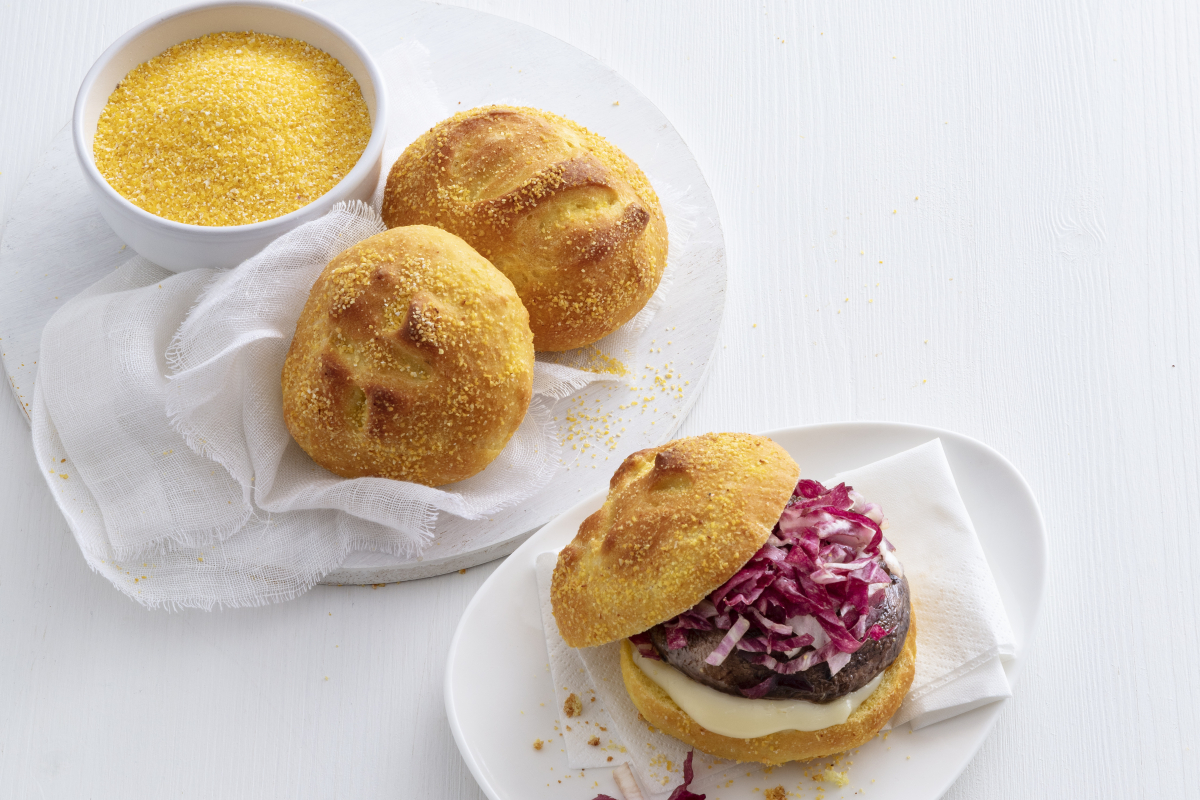
Welcome to the culinary journey of creating a hearty, flavorful, and sophisticated vegetarian main dish—Cornbread Burgers with Porcini Mushrooms. This recipe, curated exclusively for Love With Recipes, combines the rustic charm of homemade cornbread with the earthy richness of porcini mushrooms, complemented by a fresh radicchio salad and melted Toma cheese. The result is a harmonious balance of textures and flavors—crispy, tender, smoky, tangy, and savory—all in one satisfying package. Whether you’re a seasoned chef or an enthusiastic home cook, this dish offers a delightful challenge and an even more rewarding experience, perfect for impressing guests or elevating your weeknight dinner.
Time
- Preparation Time: 2 hours 30 minutes
- Cooking Time: 35 minutes
- Total Time: approximately 3 hours 5 minutes
The total time includes the prolonged fermentation and rising periods crucial for achieving the ideal texture and flavor profile in your cornbread buns, as well as the cooking of mushrooms and assembly.

Needed Equipment
- Large mixing bowls
- Wooden spoon or silicone spatula
- Measuring cups and spoons
- Clean surface or kneading board
- Plastic wrap
- Baking sheet (preferably rimmed)
- Parchment paper
- Oven
- Small bowl for garlic and oil mixture
- Large skillet or frying pan
- Tongs or spatula for sautéing mushrooms
- Chef’s knife and cutting board
- Julienne peeler or sharp knife for radicchio
- Serving platter or plates
- Cooling rack
- Optional: Baking stone or cast-iron skillet for extra crust
Tags
Vegetarian, Gourmet, Comfort Food, Baked Goods, Mushroom Lovers, Healthy, Homemade, Party Food, Main Course, Vegetarian Burger
Serving Size
This recipe yields four generously sized cornbread burgers, perfect for sharing among four people or enjoying as a hearty solo meal. Each burger is approximately 250-300 grams, depending on the size of the buns and toppings.
Difficulty Level
Moderate. This recipe involves multiple steps including dough fermentation, shaping, baking, mushroom sautéing, and assembly, making it suitable for intermediate cooks or adventurous beginners ready to expand their culinary skills.
Allergen Information
- Contains gluten (cornmeal, all-purpose flour)
- Contains dairy (Toma cheese)
- Contains mushrooms (potential allergen for some)
- Contains garlic
Note: For gluten-free adaptations, substitutions with gluten-free flours and cornmeal are necessary, and cheese can be omitted or replaced with vegan alternatives.
Dietary Preference
Vegetarian, adaptable for vegan diets with suitable cheese replacements and plant-based oils.
Course
Main Dish / Vegetarian Burger
Cuisine
Modern Fusion, Comfort Food, European-Inspired
Ingredients
| Ingredient | Quantity |
|---|---|
| Cornmeal | 70g |
| All-purpose flour | 100g |
| Water | 90g |
| Extra virgin olive oil | 1 tbsp (for dough), 50g (for sautéing) |
| Dry yeast | 2g (about 1 packet or ½ tsp) |
| Sugar | ½ tbsp |
| Fine salt | 1 pinch (to taste) |
| Porcini mushrooms | 4 large, cleaned |
| Toma cheese slices | 4 slices |
| Radicchio lettuce | 60g |
| Garlic | ½ clove, crushed or finely minced |
| Balsamic vinegar | To taste (about 1-2 tsp) |
| Salt | To taste |
Instructions
1. Prepare the Cornbread Dough
Begin by assembling the foundational element of your cornbread burger: the dough. In a large mixing bowl, combine the cornmeal and all-purpose flour thoroughly. This blend provides the characteristic crumbly yet cohesive texture that makes cornbread so appealing. The cornmeal imparts a slightly gritty, sweet flavor, while the all-purpose flour adds gluten development, giving structure to the buns.
Next, sprinkle in the dry yeast and sugar, mixing evenly. These ingredients are essential for fermentation, which will give the buns their airy and tender crumb. The yeast feeds on the sugar, releasing carbon dioxide that causes the dough to rise. Ensure the yeast is evenly distributed to promote uniform fermentation.
Introduce the water gradually, stirring with a wooden spoon or silicone spatula. This slow addition helps prevent clumping and ensures an even dough. Continue stirring until the mixture begins to come together into a loose, shaggy dough. It should be moist but not overly sticky; adjust with small amounts of water or flour if necessary.
Drizzle the olive oil into the mixture and add a pinch of fine salt. The oil enhances flavor and contributes to the dough’s elasticity, while salt controls yeast activity and flavor balance.
Transfer the dough onto a clean, lightly floured surface or kneading board. Knead gently but thoroughly for about 8-10 minutes. This process develops gluten strands, giving the dough strength and elasticity. Knead until the dough becomes smooth, slightly tacky but not sticky, and elastic.
Shape the dough into a ball, place it into an oiled large bowl, and cover with plastic wrap. Allow the dough to ferment at room temperature (~20-22°C / 68-72°F) for approximately 12 hours. This slow fermentation enhances flavor complexity and results in a tender crumb. During this period, the yeast ferments the sugars, producing aromatic compounds and ensuring the buns develop a rich, nuanced taste.
2. Shape the Dough
After the long fermentation, the dough should have doubled in size and exhibit a light, airy structure. Gently punch down the dough to release excess gas, then divide it into four equal portions—use a kitchen scale for precision if desired.
Shape each portion into a smooth ball by tucking the edges underneath and rolling lightly on the surface. This step promotes a uniform shape and helps create a tight surface tension, which supports even rising during the final proofing.
Place each dough ball onto a baking sheet lined with parchment paper, spacing them adequately to allow for expansion. Cover the shaped buns with a clean kitchen towel or plastic wrap, ensuring they do not touch the dough to avoid sticking. Let them rest for 1.5 hours to allow a second rise, which will further develop the structure and flavor. During this time, the gluten relaxes, and the dough slightly expands, preparing for baking.
3. Bake the Cornbread Buns
Preheat your oven to 180°C (350°F). To achieve a moist, evenly baked crust, place an oven-safe tray filled with water on the bottom rack—this creates steam, which helps develop a tender, airy crumb with a slight crust. Bake the buns on the middle or lower rack for 25-30 minutes. The buns should turn a golden-brown hue and sound hollow when tapped.
To check for doneness, insert a skewer or toothpick into the center; it should come out clean. Remove from the oven and let cool on a wire rack for 10 minutes before handling. These freshly baked cornbread buns will serve as the perfect vessel for your flavorful fillings.
4. Sauté the Porcini Mushrooms
While the buns are baking, prepare the porcini mushrooms for sautéing. Gently wipe each mushroom with a damp cloth or soft brush to remove any dirt—avoid rinsing under water as this can make them soggy and diminish flavor. Slice the mushrooms if they are large; leave smaller ones whole for a more rustic presentation.
In a small bowl, combine 50g of extra virgin olive oil with the crushed half garlic clove. Season with a pinch of salt and freshly ground black pepper if desired. Mix well to create a marinade or flavor base.
Toss the cleaned mushrooms in this garlic and oil mixture, ensuring they are thoroughly coated. Heat a large skillet or frying pan over high heat until hot. Carefully add the mushrooms, spreading them out in a single layer. Cook for 6-7 minutes on each side, turning with tongs or a spatula, until they develop a deep golden-brown color and a slight crisp at the edges. This process intensifies their earthy flavor and adds a smoky aroma.
Remove the mushrooms from heat and set aside. If desired, sprinkle with a few drops of balsamic vinegar to enhance their umami and add a touch of acidity.
5. Prepare the Radicchio Salad
Radicchio is a bitter, purple-leafed vegetable that adds a vibrant color and a refreshing contrast to the savory elements. Wash the radicchio leaves thoroughly under cold running water, then pat dry with paper towels or a clean cloth.
Using a sharp knife or julienne peeler, slice the radicchio into thin strips—julienne style—for a delicate, crisp texture. Place the shredded radicchio in a mixing bowl.
Dress the radicchio lightly with extra virgin olive oil, a pinch of salt, and a drizzle of balsamic vinegar. Toss gently to combine, allowing the flavors to meld. This salad will provide a tangy, slightly bitter note that balances the richness of the cheese and mushrooms, adding complexity to each bite.
6. Assemble the Cornbread Burgers
Once the cornbread buns have cooled slightly, slice each bun horizontally into two equal halves using a serrated bread knife. Carefully lift the top half, and place a slice of Toma cheese on the bottom half of each bun. Return the buns to the oven at 200°C (392°F) for about 5 minutes, just enough to melt the cheese—watch closely to prevent over-melting or burning.
Remove from the oven and immediately layer the sautéed porcini mushrooms on top of the melted cheese. Then, add a generous amount of the radicchio salad. Finish with the top halves of the buns, pressing down gently to secure all fillings.
7. Final Assembly and Serving
Serve your cornbread burgers immediately for optimal texture and flavor. Present on a platter or individual plates, and consider garnishing with additional balsamic glaze or fresh herbs for an elevated presentation. The warm, cheesy cornbread, earthy mushrooms, and crisp radicchio make an irresistibly balanced dish—rich in flavor and satisfying in every bite.
Preparation Tips
- To ensure even fermentation, keep the dough in a warm, draft-free environment. If your kitchen is cold, consider placing the dough near a heat source or in an turned-off oven with the light on.
- For a more pronounced smoky flavor, add a few drops of liquid smoke or smoked paprika to the mushroom marinade.
- Use freshly grated or sliced Toma cheese for a more authentic melt and flavor. If unavailable, good-quality sliced mozzarella or provolone can be used as substitutes.
- For added crunch, sprinkle toasted pine nuts or chopped walnuts over the radicchio salad before serving.
Nutritional Information
| Nutrient | Per Serving | % Daily Value |
|---|---|---|
| Calories | 420 kcal | 21% |
| Protein | 15g | 30% |
| Carbohydrates | 55g | 18% |
| Fat | 16g | 25% |
| Saturated Fat | 3g | 15% |
| Cholesterol | 20mg | 7% |
| Sodium | 550mg | 23% |
| Fiber | 6g | 24% |
| Sugar | 8g | 9% |
Tips and Tricks
- For a more tender bun, incorporate a teaspoon of honey or maple syrup into the dough during mixing.
- Experiment with different cheeses such as aged cheddar, Gruyère, or vegan cheese options for varied flavor profiles.
- If you prefer a crispier crust, brush the buns with egg wash (or plant-based alternative) before baking.
- To accelerate the rising process, place the dough in a warm, humid environment or use a proofing box if available.
- Use freshly ground black pepper or chili flakes in the mushroom marinade for added heat and depth.
Add-ons
- Caramelized onions for sweetness
- Pickled jalapeños or banana peppers for extra spice
- Fresh herbs such as basil, thyme, or parsley for garnish
- A smear of aioli or spicy mustard for added tang
- Slice of avocado or guacamole for creaminess
Side Dishes
- Sweet potato fries or baked potato wedges
- Roasted seasonal vegetables
- Pickled vegetables or kimchi for a tangy contrast
- Herb-infused potato salad
- Light green salad with vinaigrette
Improvements
- Incorporate a touch of smoked paprika or chipotle powder into the dough for a smoky flavor in the buns.
- Add chopped fresh herbs (e.g., chives, cilantro) into the dough for aroma and color.
- Use a cast-iron skillet for baking the buns to achieve a crusty exterior and rustic appearance.
- Experiment with gluten-free or alternative flours for dietary restrictions, adjusting hydration accordingly.
- Infuse the mushroom sauté with a splash of white wine or sherry for added depth.
Save and Store
Leftover cornbread buns can be stored in an airtight container at room temperature for up to 24 hours, or refrigerated for up to 3 days. To reheat, warm in a preheated oven at 180°C (350°F) for 5-7 minutes or until warmed through. For longer storage, freeze the buns wrapped tightly in plastic wrap and aluminum foil for up to 1 month. Thaw at room temperature and reheat as above.
The sautéed mushrooms and radicchio salad are best enjoyed fresh. However, the mushrooms can be stored in an airtight container in the refrigerator for up to 2 days and gently reheated before serving.
FAQ
Can I make the dough ahead of time?
Absolutely. The dough can be prepared, fermented, shaped, and refrigerated overnight. Simply allow it to come to room temperature and rise slightly before baking. This method enhances flavor and saves time on the day of serving.
Can I use different types of mushrooms?
Yes. Cremini, shiitake, or portobello mushrooms can substitute porcini. Keep in mind that flavor profiles will vary; porcini offer a deep, earthy aroma that may be less intense with other varieties.
Is this recipe suitable for vegans?
With modifications—such as replacing Toma cheese with vegan cheese and using plant-based oils—the recipe can be adapted for vegan diets without sacrificing flavor.
What if I don’t have a proofing time of 12 hours?
While longer fermentation develops richer flavors and better texture, a shorter proofing of 1-2 hours at room temperature can still yield acceptable results, though the flavor may be less complex.
Conclusion
This Cornbread Burger with Porcini Mushrooms exemplifies a harmonious fusion of hearty bread, savory fungi, and crisp greens, crafted with love and attention to detail. Its multi-layered flavors and textures make it a standout dish suitable for vegetarians, mushroom enthusiasts, and anyone seeking a comforting yet gourmet experience. The process, from fermenting the dough to sautéing the mushrooms and assembling the burger, unfolds as an engaging culinary adventure—one that culminates in a satisfying, memorable dish perfect for any season or occasion. As always, Love With Recipes encourages you to adapt, experiment, and personalize this recipe to match your palate and dietary needs. Bon appétit!
References
- “The Mushroom Cultivator” by Paul Stamets — for detailed mushroom preparation tips
- “Cornbread: A Collection of the Best Recipes” by Cheryl Day — for bread-making techniques