

Introduction
Love With Recipes proudly presents an exquisite culinary creation that elevates the humble green bean into a sophisticated and flavorful dish: Green Beans with Roasted Chestnuts in Dijon Sauce. This recipe is not merely a side dish; it’s a celebration of contrasting textures and flavors, blending the earthy sweetness of roasted chestnuts with the vibrant freshness of green beans, all brought together by the pungent, tangy essence of Maille Dijon mustard. Designed for festive occasions, holiday dinners, or any special gathering, this dish encapsulates European culinary elegance with its simple yet refined ingredients and techniques.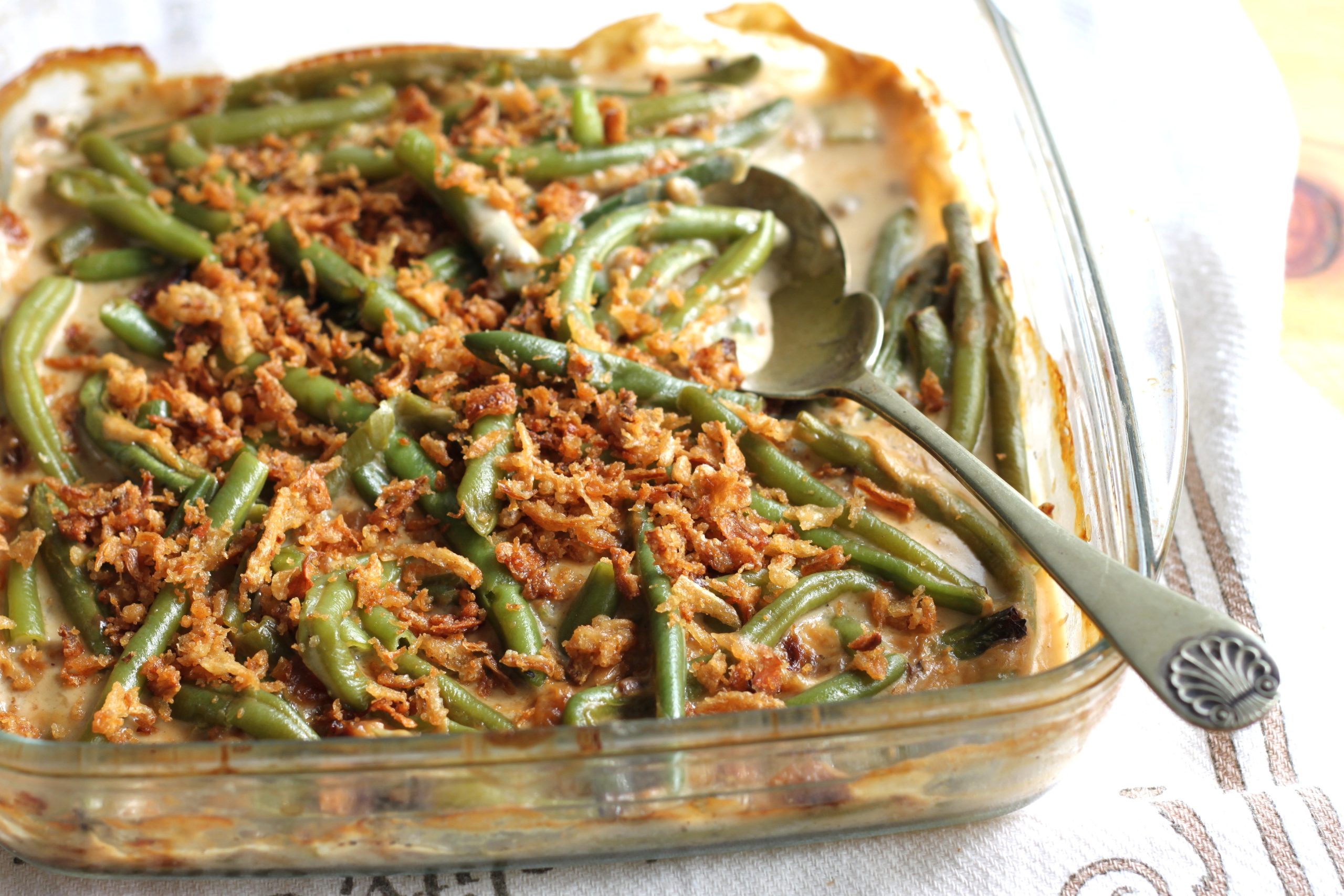
The concept behind this dish is rooted in the rich tradition of European seasonal cooking, where locally sourced ingredients are prepared with care to highlight their natural flavors. Roasting chestnuts enhances their nutty profile, while blanching green beans preserves their crispness and color. The Dijon mustard-based sauce, enriched with pan drippings and garlic, adds layers of savory complexity, making this a memorable accompaniment to roasted meats, fish, or even as a standalone vegetarian delight.

Emphasizing health-conscious choices, this recipe is low in cholesterol and protein, making it suitable for a variety of dietary needs without compromising on taste or presentation. Whether you are aiming to impress guests during the holiday season or simply seeking a wholesome, elegant side dish, this recipe will meet and surpass expectations. As always, Love With Recipes—your trusted culinary resource—guides you through every step with precision and culinary insight, ensuring a successful preparation every time.
Time
- Preparation Time: 20 minutes
- Cooking Time: 45 minutes
- Total Time: 1 hour 5 minutes
Needed Equipment
- Oven (with temperature control)
- Baking sheet (rimmed for roasting chestnuts)
- Large pot (for boiling green beans)
- Deep bowl (for ice water bath)
- Slotted spoon (for draining green beans)
- Skillet or sauté pan (for green onions and garlic)
- Small mixing bowl (for Dijon sauce)
- Chef’s knife (for chopping garlic and green onions)
- Cutting board (for prep work)
- Measuring spoons and cups
- Kitchen tongs or spatula
- Serving dishes or bowls
Tags
Holiday, Vegetarian, Side Dish, European Cuisine, Nutty, Mustard, Healthy, Low Cholesterol, Festive, Vegetarian Side, Seasonal Cooking, Elegant Dish
Serving Size
This recipe yields approximately 12 generous servings, suitable for a family gathering or holiday feast. Each serving provides a balanced portion of green beans and chestnuts, complemented by the Dijon sauce.
Difficulty Level
Intermediate — This recipe involves roasting, blanching, sautéing, and sauce preparation, requiring moderate kitchen skills. Attention to timing and temperature is necessary to achieve optimal textures and flavors.
Allergen Information
| Allergen | Present | Notes |
|---|---|---|
| Mustard | Yes | Maille Dijon mustard contains mustard seeds. |
| Tree Nuts | No | Except if substituting chestnuts with nuts like almonds or hazelnuts. |
| Gluten | No | Traditional recipe is gluten-free unless mustard contains gluten additives. |
| Garlic | Yes | Used in sautéing green onions and garlic. |
Dietary Preference
Vegetarian, Nut-Friendly (if chestnuts are used), Low Cholesterol, Dairy Optional (can omit butter for vegan version). Suitable for those following a balanced diet focused on plant-based ingredients with minimal processed components.
Course
Side Dish
Cuisine
European, French-inspired
Ingredients
Ingredient Details and Quantities
| Ingredient | Quantity | Notes |
|---|---|---|
| Maille Dijon Mustard | 50 grams (about 3 tablespoons) | High-quality Dijon enhances flavor |
| Green Beans | 1 1/2 pounds (approximately 680 grams) | Trimmed and cleaned |
| Green Onions | 500 grams (about 1 pound 2 ounces) | Chopped into small pieces |
| Olive Oil | 45 ml (about 3 tablespoons) | Extra virgin preferred |
| Butter | 15 grams (about 1 tablespoon) | Unsalted recommended for control over salt content |
| Roasted Chestnuts | 500 grams (about 1 pound 2 ounces) | Peeled and quartered |
| Salt and Pepper | To taste | Use fine sea salt and freshly ground black pepper for best flavor |
| Garlic | 2 cloves | Minced finely |
Instructions
Step 1: Preparing the Oven and Roasting Chestnuts
Begin by preheating your oven to 160°C (325°F). While the oven warms, prepare your chestnuts by making a small, precise cross-cut on the flat side of each chestnut shell. This step is crucial as it allows steam to escape during roasting, preventing the nuts from exploding and ensuring even cooking. Use a sharp paring knife to create an X-shaped incision, taking care to cut through the shell but not into the nut itself.
Once all chestnuts are scored, arrange them in a single layer on a rimmed baking sheet. Place the sheet in the preheated oven and roast for approximately 45 minutes. During this period, the shells will soften and the chestnuts will start to open naturally. This is an indicator of doneness. It’s recommended to check periodically, gently shaking the pan to ensure even roasting. When the shells have split and the aroma of roasted nuts fills your kitchen, remove the baking sheet from the oven and set aside to cool. Cooling is vital because handling hot chestnuts can be hazardous, and cooling also facilitates easier peeling.
Step 2: Blanching and Preparing Green Beans
While the chestnuts cool, bring a large pot of salted water to a rolling boil. The water should be seasoned with enough salt to taste like the sea, approximately 1-2 tablespoons of salt per quart of water. Once boiling, add the trimmed green beans carefully, ensuring they are submerged fully. Cook for about 2 minutes, just until they become tender yet retain a firm bite—this is known as blanching. Immediately remove the green beans using a slotted spoon or tongs and transfer them into a large bowl filled with ice water. This step halts the cooking process, preserves their vibrant green color, and maintains their crisp texture. After a few minutes, drain thoroughly and set aside in a serving dish.
Step 3: Sautéing Green Onions and Garlic
In a skillet or sauté pan, heat the olive oil and butter over medium heat. The combination of oil and butter provides a flavorful base and prevents burning. Once the fats are shimmering, add the chopped green onions and minced garlic. Cook gently, stirring frequently, until they soften and release their aroma—about 3-4 minutes. Be careful not to brown or burn the garlic, as this can introduce bitterness. The goal is to develop a gentle sweetness and depth of flavor. Once cooked, remove from heat and set aside. This mixture will be added to the dish at the final assembly stage.
Step 4: Cooling and Peeling Chestnuts
Once the roasted chestnuts are cool enough to handle, peel off the outer shell and the thin brown skin underneath. The scoring earlier simplifies peeling, but a gentle hand is necessary to prevent tearing the nut itself. Use your fingers or a small paring knife to remove the shells, working in batches. After peeling, quarter the chestnuts into bite-sized pieces. This enhances the texture and allows for better distribution over the green beans. Keep the peeled chestnuts aside until ready to assemble.
Step 5: Combining Ingredients and Preparing the Sauce
Spread the blanched green beans evenly in a large serving dish. Distribute the quartered roasted chestnuts over the green beans, creating an inviting visual contrast of colors and textures. In a small bowl, combine the Maille Dijon mustard with any drippings or juices left in the roasting pan. These drippings are packed with flavor and will enrich the mustard sauce. Mix thoroughly until smooth. If you prefer a tangier profile, you can add 30 ml of white wine vinegar at this stage for an extra layer of acidity. Adjust seasoning with salt and freshly ground pepper according to taste.
Step 6: Final Assembly and Serving
Pour the Dijon mustard mixture over the green beans and roasted chestnuts, ensuring even coverage. Gently toss the ingredients in the dish to coat everything uniformly, or serve as-is for a more rustic presentation. The residual heat from the green beans and chestnuts will slightly warm the sauce, enhancing its flavors. This dish can be served immediately while warm or allowed to come to room temperature, which often intensifies the flavors and improves texture. For a festive presentation, garnish with additional chopped green onions or a sprinkle of fresh herbs such as parsley or thyme.
Preparation Tips
- Peeling Chestnuts: Use a sharp paring knife for scoring and peeling. Hot water immersion for a few minutes post-roasting can loosen shells further.
- Blanching Green Beans: Do not overcook; the goal is tender-crisp. Overcooking will cause loss of color and crunchiness.
- Roasting Chestnuts: Keep an eye on them as oven times may vary. The opening of shells is a good indicator of readiness.
- Making the Sauce: Incorporate pan drippings for depth, or add a splash of white wine or lemon juice for brightness.
- Serving Temperature: This dish is versatile; serve warm or at room temperature based on preference or event setting.
Nutritional Information
| Nutrient | Per Serving (approx.) | Details |
|---|---|---|
| Calories | 120 kcal | Primarily from green beans, chestnuts, and fats |
| Protein | 3 grams | Minimal, mainly from chestnuts and green beans |
| Fat | 7 grams | Includes olive oil, butter, and chestnuts |
| Carbohydrates | 15 grams | Complex carbs from chestnuts and green beans |
| Sugar | 3 grams | Natural sugars from vegetables and nuts |
| Fiber | 4 grams | Dietary fiber from green beans and chestnuts |
| Sodium | 150 mg | Adjusted by salt and seasoning |
Tips and Tricks
- Chestnut Quality: Use fresh, high-quality chestnuts for maximum flavor. Store in a cool, dry place if not roasting immediately.
- Flavor Variations: Incorporate fresh herbs like thyme, rosemary, or sage into the sauce for added aroma.
- Texture Control: For crunchier chestnuts, roast them slightly longer, but be cautious not to burn.
- Presentation: Serve in a beautiful ceramic or glass dish to enhance visual appeal during festive occasions.
- Make-Ahead: Prepare the dish up to the assembly stage a few hours in advance, then reheat gently before serving.
Add-ons and Variations
- Nuts: Substitute roasted chestnuts with toasted almonds, hazelnuts, or pecans for varied flavors and textures.
- Vegan Version: Replace butter with vegan margarine or oil, and ensure Dijon mustard is vegan-friendly.
- Spice Boost: Add a pinch of cayenne pepper or smoked paprika for a spicy kick.
- Fruity Accent: Incorporate dried cranberries or pomegranate seeds for a touch of sweetness and color.
Side Dishes to Complement
- Roast turkey or chicken
- Grilled fish fillets
- Herb-crusted lamb
- Cheese platter with artisan bread
- Potato gratin or roasted root vegetables
Improvements and Customizations
Enhance the dish by experimenting with different types of mustard, such as whole grain or spicy Dijon, to alter the flavor profile. Incorporate a splash of white wine or lemon juice into the Dijon sauce for added acidity and brightness. For a more pronounced nuttiness, toast the chestnuts slightly longer or add a sprinkle of smoked paprika before roasting.
Adjust seasoning meticulously, tasting the sauce before final assembly to ensure balanced acidity, saltiness, and spice. Consider adding a dash of honey or maple syrup if you prefer a touch of sweetness to counterbalance the savory elements.
Save and Store
This dish can be prepared ahead of time and stored in airtight containers in the refrigerator for up to 24 hours. Reheat gently in a microwave or oven before serving. For best flavor, add the Dijon sauce just before serving to prevent the green beans from becoming limp or soggy. Leftovers can be used as a filling for vegetable wraps or mixed into salads for added texture and flavor.
FAQ
Can I prepare this dish vegan?
Absolutely. Simply replace the butter with a plant-based margarine or olive oil, and ensure your Dijon mustard is vegan-friendly. The rest of the ingredients are naturally plant-based.
Can I substitute the chestnuts with other nuts?
Yes. Grilled or roasted almonds, hazelnuts, or pecans can be used as alternatives. Toast them lightly to enhance their flavor and add a similar crunch.
How do I store the roasted chestnuts if I want to prepare in advance?
Peel and cool the roasted chestnuts completely, then store in an airtight container in the refrigerator. They are best used within 1-2 days for optimal freshness and flavor.
Is this dish suitable for gluten-free diets?
Yes, provided that your Dijon mustard does not contain gluten additives. Always check labels to confirm gluten-free status.
Can I freeze the dish?
It is not recommended to freeze once assembled, as green beans may become mushy upon thawing. However, you can freeze roasted chestnuts and prepare the dish fresh when needed.
Conclusion
Love With Recipes’ Green Beans with Roasted Chestnuts in Dijon Sauce offers a harmonious balance of flavors and textures, making it an ideal choice for festive tables, family dinners, or elegant brunches. Its preparation involves classic techniques like roasting, blanching, and sautéing, all executed with attention to detail to maximize flavor and presentation. Whether served warm or at room temperature, this dish will impress guests with its sophisticated simplicity and seasonal charm. Experiment with variations, incorporate your favorite herbs, and enjoy a culinary experience that celebrates the best of European seasonal ingredients. With patience and love, this dish transforms everyday vegetables into a memorable masterpiece that elevates any occasion.
References
- Le Cordon Bleu. (2010). French Cooking Techniques. Paris: Editions.
- Maille. (2023). Mustard Varieties and Culinary Uses. Retrieved from https://www.maille.com