

Introduction
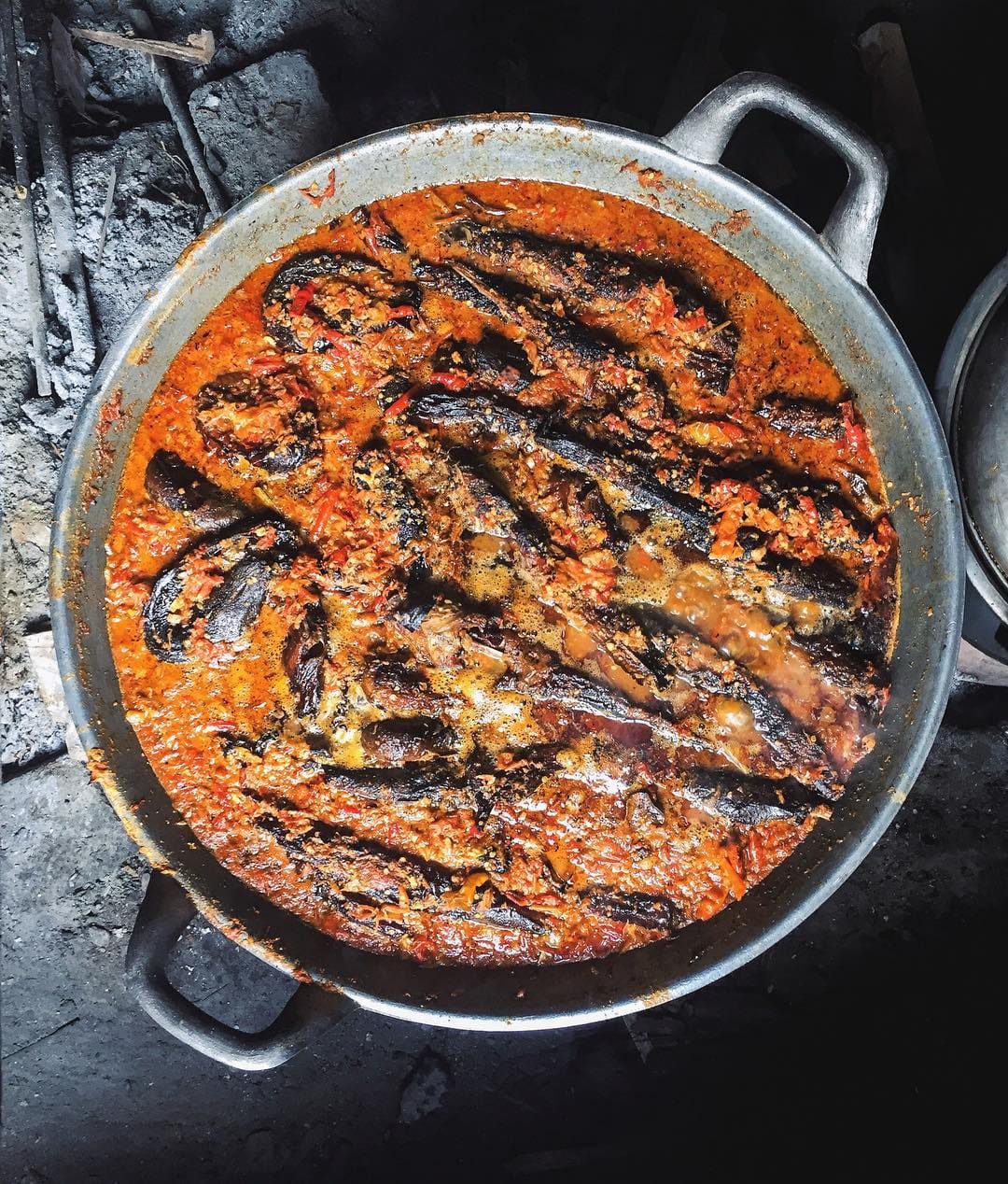
Welcome to Love With Recipes, your ultimate culinary resource for exploring authentic global flavors! Today, we delve into the heart of Indonesian cuisine with a dish that embodies the vibrant and aromatic essence of Southeast Asia — Mangut Lele. This traditional Indonesian delicacy features fresh catfish, known locally as “Lele,” simmered in a luscious coconut sauce infused with an array of spices, herbs, and fiery chili peppers. The dish is a celebration of balance—combining the richness of coconut milk with the heat of chilies, the earthiness of turmeric and ginger, and the freshness of herbs like lemongrass and kaffir lime leaves.

Mangut Lele is more than just a hearty meal; it’s a culinary experience that transports you straight to the bustling markets and coastal villages of Indonesia. The complexity of flavors, layered with aromatic spices and tender fish, makes it a perfect centerpiece for family gatherings, cultural celebrations, or a special dinner. Its versatility allows for variations based on regional preferences, but the core elements of spice, coconut, and fresh herbs remain consistent. Whether you are a seasoned home cook or an adventurous beginner, this recipe offers a delightful journey into Indonesian gastronomy.
At Love With Recipes, we emphasize authentic, well-executed dishes that respect their cultural origins while offering practical guidance for at-home preparation. So, gather your ingredients, prepare your cooking space, and embark on creating a dish that will impress your taste buds and elevate your culinary repertoire.
Time
| Preparation Time | 30 minutes |
|---|---|
| Cooking Time | 45 minutes |
| Total Time | 1 hour 15 minutes |
Needed Equipment
- Large sharp knife
- Cutting board
- Deep frying pan or wok
- Large skillet or saucepan (preferably with lid)
- Wooden spoon or spatula
- Slotted spoon
- Measuring spoons and cups
- Mixing bowls
- Food processor or mortar and pestle (optional, for spice grinding)
- Serving plates or bowls
- Cooking tongs
- Paper towels for draining
Tags
Indonesian cuisine, Seafood, Coconut-based, Spicy, Traditional, Comfort Food, Southeast Asian, Main Course, Authentic Recipe, Family-Friendly
Serving Size
Serves approximately 4 to 6 people, depending on portion sizes and accompaniments.
Difficulty Level
Intermediate — requires proficiency in handling whole fish, sautéing spices, and simmering dishes to develop complex flavors.
Allergen Information
This recipe contains seafood (catfish), nuts (candlenuts), and coconut (coconut milk). Please note these allergens if preparing for individuals with sensitivities.
Dietary Preference
Gluten-Free, Dairy-Free (if coconut milk is unsweetened), Nut-Free (if substituting candlenuts), Paleo (if using fresh spices), Vegan (if substituting fish with vegetables or tofu)
Course
Main Course
Cuisine
Indonesian
Ingredients
Fresh Fish and Aromatics
| Ingredient | Quantity |
|---|---|
| Catfish (Lele), cleaned and gutted | 5 whole fish (about 1.5-2 kg total) |
| Bird’s eye chili (Cabe rawit) | 3-4 pieces (adjust for heat preference) |
| Salam leaves (Daun salam) | 4 leaves |
| Kaffir lime leaves (Daun jeruk) | 4 leaves |
| Lemongrass stalk, bruised | 1 stalk |
| Tomato, chopped or sliced | 1 medium |
Ground Spices and Herbs
| Ingredient | Quantity |
|---|---|
| Garlic, peeled | 5 cloves |
| Shallots, peeled | 5 small |
| Red chili (Cabe merah), fresh or dried | 1 small piece or 1-2 dried peppers |
| Fresh turmeric or turmeric powder | A small piece (~1 inch fresh or 1 tsp powder) |
| Ginger, fresh | 1 tsp, minced |
| Coriander seeds (Ketumbar) | 3-4 pieces |
| Candlenuts (Kemiri) | 1-2 tbsp (or substitute with macadamia nuts if allergic) |
| Brown sugar (Gula merah), shaved | To taste (about 1 tbsp) |
| Salt (Garam) | To taste |
Coconut Milk and Additional Seasonings
| Ingredient | Quantity |
|---|---|
| Kara coconut milk (full-fat) | 1 package (about 400 ml) |
| Vegetable oil (for frying) | As needed |
Instructions
Preparation of the Catfish
Begin by thoroughly cleaning the catfish. Rinse each fish under cold running water, ensuring that the cavity and scales are properly cleaned. Pat dry with paper towels. To enhance flavor and ensure even cooking, score the fish lightly on both sides with a sharp knife, making shallow cuts about 1 inch apart. This helps the marinade penetrate and promotes even frying.
Prepare a marinade for the catfish by combining salt, ground coriander, and turmeric in a small bowl. Rub this mixture generously all over the fish, including the insides and outside. Let the fish rest for at least 15 minutes to absorb the flavors.
Meanwhile, heat a sufficient amount of vegetable oil in a deep frying pan or wok over medium-high heat. When the oil is hot (around 350°F or 175°C), carefully add the fish, frying in batches if necessary to avoid overcrowding. Fry each side for approximately 8-10 minutes, or until the fish is golden brown and cooked through. Use tongs or a slotted spoon to turn the fish gently. Once cooked, transfer the fish onto paper towels to drain excess oil. Set aside.
Preparation of the Spice Paste
While the fish is frying, prepare the spice paste. In a food processor or mortar and pestle, grind garlic, shallots, red chili, turmeric, ginger, coriander seeds, and candlenuts into a smooth paste. If using a mortar and pestle, pound the ingredients gradually, adding a splash of water if needed to facilitate grinding. The resulting paste should be fragrant, with a vibrant aroma of spices and herbs.
Sautéing the Aromatics and Spices
In a large skillet or saucepan, heat about 2 tablespoons of vegetable oil over medium heat. Once hot, add the spice paste and sauté, stirring constantly to prevent sticking or burning. Cook for about 5-7 minutes, or until the mixture turns fragrant and the oil begins to separate from the spice mixture. This process is critical for developing depth of flavor.
Add the salam leaves, kaffir lime leaves, bruised lemongrass, and chopped tomato to the skillet. Stir well to combine, then add the shaved brown sugar and salt. Continue to cook, stirring occasionally, for another 3-4 minutes until the tomato softens and the flavors meld together.
Combining Fish and Simmering
Gently place the fried catfish into the aromatic spice mixture, ensuring each fish is coated evenly. Carefully pour in enough water to cover about half of the fish, approximately 1-1.5 cups. Bring the mixture to a gentle simmer. Cover the skillet with a lid to trap the flavors and facilitate even cooking. Let it simmer on low heat for about 15-20 minutes, allowing the flavors to penetrate the fish and the sauce to thicken slightly.
Incorporating Coconut Milk
Once the fish has simmered and absorbed the flavors, reduce the heat to low. Slowly pour in the Kara coconut milk, stirring gently to incorporate it without curdling. Maintain a gentle simmer, allowing the sauce to become rich and creamy. Cook for an additional 5-10 minutes, stirring occasionally, until the sauce reaches the desired consistency and the flavors are fully integrated.
During this stage, taste the sauce and adjust seasoning if necessary—adding more salt, sugar, or chili to suit your preference. The dish is ready when the sauce is fragrant, rich, and slightly thickened, enveloping the fish in its luscious embrace.
Serving
Carefully transfer the Mangut Lele onto serving plates, garnished with additional kaffir lime leaves or freshly chopped herbs if desired. Serve hot alongside steamed jasmine rice or traditional Indonesian rice varieties like nasi uduk or nasi putih. The robust flavors of the coconut sauce paired with fragrant rice make for an unforgettable dining experience.
Preparation Tips
- Fish selection: Freshness is key. Use live or very fresh catfish for the best texture and flavor. Clean thoroughly and consider scoring to help marinade and heat penetration.
- Spice adjustments: Adjust the heat level by varying the amount of bird’s eye chilies and red chili. For milder flavor, remove seeds or reduce chili quantity.
- Frying technique: Maintain proper oil temperature to ensure crispy exterior without overcooking the fish inside. Use a thermometer for precision if needed.
- Layering flavors: Toast spices like coriander and candlenuts briefly in a dry pan before grinding for a deeper aroma.
- Simmering: Keep heat low during simmering to prevent overcooking fish and curdling coconut milk. Gentle heat ensures richness and preservation of delicate flavors.
Nutritional Information
| Nutrient | Per Serving (approximate) |
|---|---|
| Calories | 320 kcal |
| Protein | 25 grams |
| Fat | 22 grams |
| Carbohydrates | 10 grams |
| Sugar | 3 grams |
| Sodium | 500 mg |
Tips and Tricks
- Enhance aroma: Adding a splash of fish sauce or a pinch of Indonesian palm sugar can deepen the umami and sweetness.
- Vegetarian adaptation: Replace fish with eggplant, tofu, or tempeh, and use vegetable broth for a plant-based version.
- Serving ideas: Top with freshly chopped cilantro or scallions for added freshness and visual appeal.
- Adjust consistency: To make the sauce thicker, simmer uncovered for a few more minutes or add a cornstarch slurry.
Add-ons
- Steamed jasmine or basmati rice
- Indonesian sambal for extra heat
- Fried shallots or garlic for garnish
- Fresh cucumber slices or pickled vegetables as palate cleansers
- Hard-boiled eggs seasoned with soy sauce and chili for added protein
Side Dishes
- Steamed rice varieties such as nasi uduk or pandan rice
- Indonesian vegetable stir-fry (sayur lodeh)
- Spicy sambal or chili paste
- Fresh tropical salads with pineapple, cucumber, and mint
Improvements and Variations
- Regional tweaks: In some areas, adding tamarind paste or lime juice enhances the tangy profile.
- Protein swaps: Use chicken, fish fillets, or seafood mix for variety.
- Spice customizations: Incorporate turmeric powder, galangal, or lemon grass for different aromatic layers.
- Cooking method: Grill or bake the fish before adding to the sauce for an added smoky flavor.
Save and Store
Leftovers can be stored in an airtight container in the refrigerator for up to 2 days. To reheat, gently warm on the stovetop over low heat, adding a splash of water or coconut milk to restore sauce consistency. For longer storage, freeze in portions for up to 1 month. Reheat thoroughly before serving, and consider freshening the dish with additional herbs or lime juice.
FAQ
Can I use other types of fish?
Yes, firm white fish like snapper, grouper, or mackerel can work well if catfish is unavailable. Adjust cooking times accordingly, as different fish vary in texture and thickness.
Is this dish spicy?
The heat level depends on the amount of bird’s eye chilies used. You can adjust the spiciness by reducing or omitting them for milder flavor.
Can I make this dish vegetarian?
Absolutely! Substitute fish with eggplant, firm tofu, or tempeh, and use vegetable broth instead of water for simmering. Omit fish-specific ingredients like fish sauce.
What are some authentic Indonesian accompaniments?
Serve with steamed rice, sambal, fresh herbs, and side dishes like telur pindang or sambal goreng.
Conclusion
Mangut Lele stands as a testament to Indonesia’s rich culinary tapestry, blending bold spices, fragrant herbs, and tender fish in a coconut embrace that is both comforting and exhilarating. Its versatility allows it to be adapted to different dietary needs and regional flavors, making it a valuable addition to any home chef’s repertoire. By following this comprehensive guide, you can bring an authentic Indonesian experience to your dinner table, impressing with a dish that is hearty, flavorful, and culturally significant. Remember, the journey of cooking is as rewarding as the final dish—so savor each step, and enjoy the vibrant flavors of Indonesia with every bite.
Happy cooking and exploring culinary traditions! For more authentic recipes and culinary tips, visit Love With Recipes, your trusted platform for global gastronomy.