

Introduction
In the rich tapestry of Southern culinary traditions, few dishes evoke the rustic charm and deep-rooted flavors quite like Georgia Quail in Gravy. This dish embodies comfort and sophistication simultaneously, bringing together the tender, gamey meat of quail with a luscious, savory gravy that accentuates its natural flavors. Perfect for a weeknight dinner or an intimate gathering, this recipe requires simple ingredients and minimal prep time, yet delivers a complex flavor profile that’s deeply satisfying. Whether you’re a seasoned home chef or a cooking enthusiast exploring wild game cuisine, this recipe from Love With Recipes promises to elevate your culinary repertoire and leave your taste buds craving more.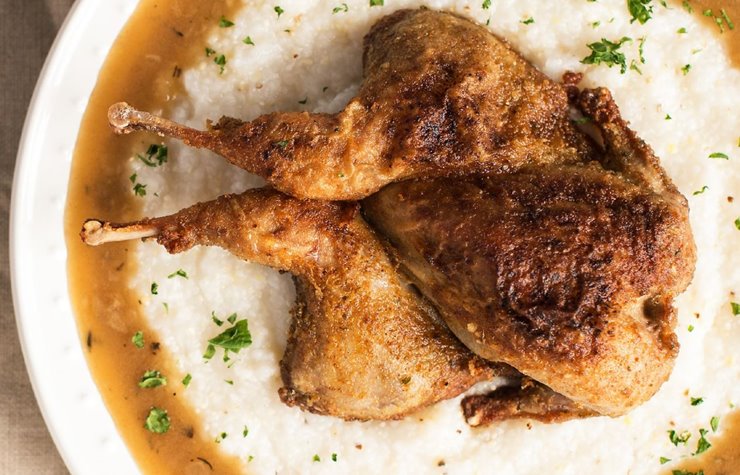
Time
- Total preparation and cooking time: 50 minutes
- Preparation time: 15 minutes
- Cooking time: 35 minutes
Needed Equipment
- Large skillet or sauté pan: A heavy-bottomed skillet with a lid is ideal for even heat distribution and proper simmering.
- Measuring cups and spoons: For precise measurement of liquids and seasonings.
- Mixing bowls: To combine flour and water for gravy thickening.
- Wooden spoon or silicone spatula: For stirring the gravy without scratching your cookware.
- Tongs or slotted spoon: For handling the quail during browning and removal.
- Kitchen thermometer (optional): To verify the internal temperature of the quail, ensuring doneness.
- Cutting board and sharp knife: For prepping the quail if needed.
- Stove or cooktop: For simmering and sautéing.
- Serving platter or plates: For presentation and serving.
Tags
- Southern cuisine
- Wild game
- Poultry
- Weeknight dinner
- Comfort food
- Stovetop recipe
- Rich gravy
- Game bird
Serving Size
Serves 4 people generously, with each person receiving approximately 2 quails and a portion of gravy. Adjust accordingly for larger gatherings or smaller appetites.

Difficulty Level
Intermediate—requires basic proficiency with stovetop cooking, browning meat, and making gravy. The key is maintaining proper heat levels and timing for tender, flavorful quail.
Allergen Information
- Contains: Butter (dairy), potential traces of poultry allergens.
- Note: No gluten-containing ingredients are used in the gravy if you opt for gluten-free flour.
Dietary Preference
- Gluten-Free: Use a gluten-free flour blend instead of all-purpose flour.
- Keto-Friendly: The recipe is low in carbs but check the gravy thickener for compatibility.
- Paleo: Substitute butter with clarified butter (ghee) and ensure the bouillon is paleo-compliant.
Course
Main course
Cuisine
Southern American / American Comfort Food
Ingredients
Quantitative List
| Ingredient | Quantity | Notes |
|---|---|---|
| Quail | 8 whole | Fresh or thawed, cleaned |
| Salt | 1/2 teaspoon | Adjust to taste |
| Pepper | 1/4 teaspoon | Freshly ground recommended |
| Butter | 1/4 cup (4 tablespoons) | Unsalted preferred for control over saltiness |
| Margarine | Optional, 1 tablespoon | Optional, for flavor variation |
| Bouillon cube | 1 cube | Beef or chicken—preferably low sodium |
| Water | 1 cup | For dissolving bouillon |
| All-purpose flour | 2 tablespoons | For gravy thickening; substitute gluten-free if needed |
| Water (for gravy) | 2 tablespoons | To mix with flour |
Instructions
Preparation of Quail
Begin by preparing your quail for cooking. Ensure they are properly cleaned and gutted if necessary. Pat them dry with paper towels to remove excess moisture, which helps achieve a better sear. Sprinkle the quail evenly with salt and pepper, ensuring each bird is seasoned on all sides. This initial seasoning is crucial to developing a flavorful crust and enhancing the natural taste of the game bird. Set aside for a few minutes while you prepare your skillet.
Searing the Quail
Choose a large, heavy-bottomed skillet—preferably cast iron or stainless steel—because these materials retain and distribute heat evenly, which is vital for proper browning. Place the skillet over medium heat and add 1/4 cup of butter. Allow the butter to melt completely and become slightly bubbly but not browned, as burnt butter can impart a bitter flavor. Once melted, carefully lay the quail in the skillet, breast side down, and sear for about 4-5 minutes per side. Use tongs or a slotted spoon to turn the birds gently, ensuring a uniform golden-brown crust. During this process, avoid overcrowding the skillet; cook in batches if necessary. The goal is to develop a deep, flavorful crust that seals in juices and adds complexity to the overall dish.
Dissolving the Bouillon
While the quail are searing, bring 1 cup of water to a boil in a separate small pot or microwave-safe container. Dissolve the bouillon cube thoroughly, stirring until completely dissolved and the broth is clear. This concentrated broth will be added to the skillet to create a rich, savory gravy. The dissolved bouillon not only infuses the meat with flavor but also forms the base for the gravy.
Simmering the Quail
Once all the quail are browned, return them to the skillet. Pour the dissolved bouillon mixture into the skillet, distributing it evenly. Cover the skillet with a lid or a piece of aluminum foil, then reduce the heat to low. Let the quail simmer gently for about 40 minutes. During this time, the meat will become tender, and the flavors will meld. It’s important to maintain a gentle simmer; too high a heat can cause the meat to become tough, while too low may not develop enough flavor. Check periodically to ensure there is enough liquid; add a splash of water if the pan becomes too dry, but avoid overfilling to prevent boiling over.
Removing and Resting the Quail
After simmering, use tongs or a slotted spoon to carefully lift the quail from the skillet. Place them on a warm serving platter. Cover loosely with foil to keep warm while you prepare the gravy. Resting the meat for a few minutes allows the juices to redistribute, resulting in more tender and flavorful bites.
Preparing the Gravy
Measure the pan drippings carefully. If necessary, add a small amount of water to bring the total to one cup, ensuring the gravy has enough liquid to thicken properly. In a small mixing bowl, combine the 2 tablespoons of all-purpose flour with 2 tablespoons of water, whisking until smooth. This slurry will act as your thickening agent. Gradually pour the hot pan drippings into the flour mixture, stirring constantly to prevent lumps. Pour the mixture back into the skillet with the remaining drippings, stirring continuously over low heat. Cook until the gravy thickens and becomes bubbly—about 3-5 minutes. Adjust seasoning with additional salt and pepper if needed.
Finishing the Dish
Return the quail to the skillet, spooning the gravy over each bird. Allow them to heat through for another 2-3 minutes, ensuring the flavors meld. Serve the quail hot, with generous amounts of gravy poured over the top. Garnish with fresh herbs if desired, such as chopped parsley or thyme, to add color and aroma.
Preparation Tips
- Choose fresh or properly thawed quail: Fresh quail will yield the best flavor and texture. If using frozen, ensure they are fully thawed and patted dry to prevent splattering during searing.
- Seasoning: Feel free to add garlic powder, paprika, or smoked seasons to enhance flavor complexity.
- Sealing in juices: Proper searing helps lock in moisture and develop flavor. Avoid overcrowding the pan to prevent steaming.
- Simmer gently: Maintain low heat to ensure tenderness and prevent the meat from becoming tough or dry.
- Adjust gravy thickness: For thicker gravy, add a little more flour slurry; for thinner, add a splash of water or broth.
Nutritional Information
| Nutrient | Per Serving | Percentage of Daily Value* |
|---|---|---|
| Calories | 536.4 kcal | 27% |
| Fat | 37.9 g | 58% |
| Saturated Fat | 14.7 g | 74% |
| Cholesterol | 196.3 mg | 65% |
| Sodium | 642.2 mg | 28% |
| Carbohydrates | 3.2 g | 1% |
| Fiber | 0.1 g | 0% |
| Sugar | 0.2 g | |
| Protein | 43.5 g | 87% |
*Percentages are based on a 2,000-calorie daily diet. Your daily values may be higher or lower depending on your calorie needs.
Tips and Tricks
- Use a meat thermometer: To verify that the quail reaches an internal temperature of 165°F (74°C), ensuring safe and perfect doneness.
- Flavor enhancements: Add a splash of white wine or apple cider vinegar to the gravy for a tangy twist.
- Herb infusion: Incorporate fresh thyme, rosemary, or sage into the gravy for aromatics and depth.
- Make ahead: Prepare the dish a day in advance, and reheat gently for even better flavor development.
- Presentation: Garnish with chopped herbs for a professional appearance and added aroma.
Add-ons
- Roasted root vegetables such as carrots, parsnips, or sweet potatoes
- Buttery mashed potatoes or creamy polenta
- Steamed green beans or sautéed spinach
- Cornbread or crusty artisan bread to soak up the gravy
Side Dishes
Complement your Georgia Quail in Gravy with traditional Southern sides. The following pairings enhance the rustic, comforting qualities of the dish:
- Buttermilk biscuits: Fluffy and perfect for dipping in gravy.
- Collard greens or kale: Sautéed with garlic and a splash of vinegar for a healthy contrast.
- Sweet potato casserole: Adds sweetness balancing the savory flavors.
- Southern-style cornbread: Slightly sweet and crumbly, ideal for a hearty meal.
Improvements and Variations
- Spicy kick: Add a dash of cayenne pepper or hot sauce to the gravy for heat.
- Herb crust: Rub the quail with a herb mixture of thyme, rosemary, and garlic before searing.
- Wine-based gravy: Deglaze the skillet with a splash of white wine after searing, then add the bouillon.
- Stuffed quail: Fill the cavity with herbs, garlic, or wild rice stuffing for added flavor.
- Slow cooker adaptation: Brown the quail first, then cook on low for 6–8 hours for an even more tender result.
Save and Store
Leftovers can be stored in an airtight container in the refrigerator for up to 2 days. Reheat gently on the stovetop over low heat, adding a splash of water or broth to loosen the gravy if necessary. For longer storage, freeze the quail and gravy in separate containers for up to 3 months. Thaw overnight in the refrigerator before reheating. To reheat, simmer over low heat until thoroughly warmed, ensuring the meat remains tender and the gravy retains its richness.
FAQ
Can I use chicken instead of quail?
Yes, substituting chicken will work well, but adjust cooking time accordingly. Quail cooks faster due to its size and tenderness, so keep an eye on the internal temperature.
What if I don’t have all-purpose flour?
You can substitute with cornstarch, arrowroot powder, or gluten-free flour blend. Use half the amount of starch compared to flour, and mix with cold water before adding to hot drippings to prevent lumps.
Is this dish suitable for a gluten-free diet?
Yes, simply replace the all-purpose flour with a gluten-free alternative. Ensure all other ingredients, such as bouillon, are gluten-free.
How do I tell when the quail is cooked?
The internal temperature should reach 165°F (74°C). The meat should be opaque and tender, with juices running clear when pierced.
Can I make this dish ahead of time?
Absolutely. Prepare the quail and gravy, then refrigerate separately. Reheat gently before serving to preserve tenderness and flavor.
Conclusion
Georgia Quail in Gravy stands as a testament to the soulful, hearty flavors of Southern cooking. The combination of tender game bird and rich, savory gravy creates an experience that’s both nostalgic and refined. Perfectly suited for those who appreciate wild game or are looking to explore new culinary horizons, this dish offers a wonderful way to celebrate the flavors of rural Americana. The simplicity of ingredients and straightforward techniques make it accessible, yet the depth of flavor elevates it to a special occasion centerpiece. Serve it with classic sides and enjoy the warmth and comfort it provides—an authentic taste of Georgia’s culinary heritage, lovingly shared through this comprehensive recipe on Love With Recipes.
References
- Southern Living Magazine, “Classic Southern Quail Recipes,” 2020.
- Julia Child, “Mastering the Art of French Cooking,” 1961, for techniques on browning and gravy making.