Introduction
At Love With Recipes, we are committed to sharing culinary experiences that celebrate diverse flavors and cooking techniques from around the world. Today, we delve into a dish that embodies the perfect harmony of spice, texture, and aroma — Spicy Pork with Cellophane Noodles, popularly known as “Ants on Trees.” This dish is a true testament to the vibrant and bold flavors characteristic of Asian cuisine, particularly Southeast Asian culinary traditions. Its name, “Ants on Trees,” originates from the visual appearance of tiny bits of pork scattered across a bed of translucent noodles, reminiscent of ants crawling on branches. The dish combines tender, flavorful ground pork infused with a spicy sauce, paired with delicate, slippery cellophane noodles that soak up the sauce, creating an explosion of taste with every bite.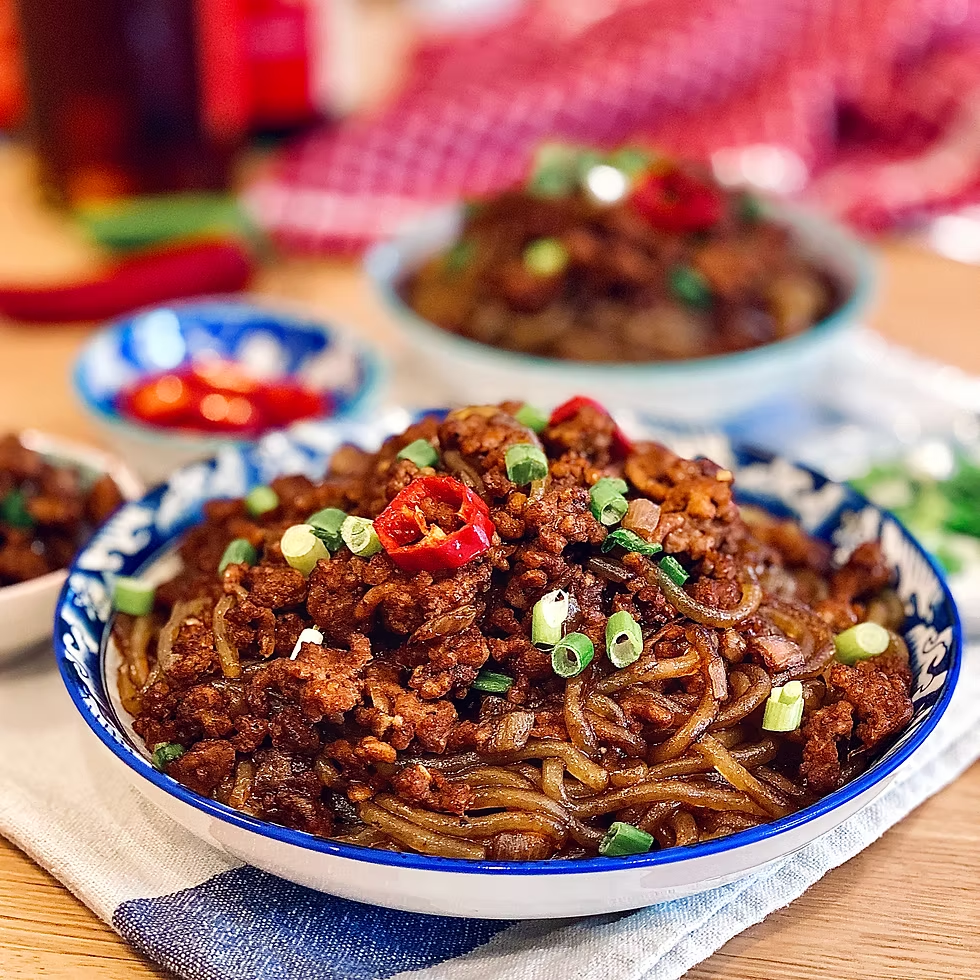
Whether you’re an experienced home cook or a culinary novice eager to explore authentic Asian flavors, this recipe offers a delightful journey into creating a dish that’s both visually appealing and palate-pleasing. Its quick preparation time, approximately 35 minutes, makes it an ideal choice for busy weeknights or when entertaining guests who appreciate a spicy, savory dish that hits all the right notes. The versatility of this recipe also allows for customization, accommodating dietary preferences and ingredient substitutions to suit your taste buds and pantry staples.
As you embark on preparing this Asian-inspired masterpiece, you’ll discover the intricate balance of salty, sour, sweet, and spicy elements, harmonized with the satisfying chew of noodles and the richness of seasoned pork. The recipe is designed to be accessible yet flavorful, emphasizing fresh ingredients and simple techniques to achieve a restaurant-quality dish at home. Remember, cooking is an art, and this recipe invites you to make adjustments according to your preferences, ensuring each plate is uniquely yours.
Time
Total Time: Approximately 35 minutes
This includes preparation, marination, cooking, and plating. The process is swift, making it perfect for a satisfying yet quick meal. The breakdown of the time is as follows:
- Preparation: 10-12 minutes (including marinating pork, soaking noodles, and chopping aromatics)
- Cooking: 20-23 minutes (stir-frying, simmering, and final assembly)
- Plating and garnishing: 3-5 minutes
Needed Equipment
To achieve the best results and streamline the cooking process, gather the following equipment before starting:
- Large wok or deep skillet: Essential for stir-frying and simmering. Preferably non-stick for ease of cleaning and even heat distribution.
- Mixing bowls: For marinating pork and preparing sauce components.
- Measuring spoons and cups: For precise measurement of liquids, spices, and seasonings.
- Cutting board and sharp knives: For chopping shallots, garlic, ginger, and garnishes.
- Heat-resistant spatula or wooden spoon: For stirring and mixing ingredients during cooking.
- Soaking bowl: For soaking the cellophane noodles in warm water.
- Colander or strainer: To drain the soaked noodles efficiently.
- Kitchen tongs or chopsticks: For handling noodles and flipping ingredients.
- Measuring spoons: For accurately measuring small quantities like rice vinegar, soy sauce, and sugar.
- Serving utensils: For transferring the finished dish onto plates or bowls.
- Optional: Food processor or grater: For quick mincing of ginger, garlic, or shallots if preferred.
Tags
This recipe is categorized under the following tags for easy referencing and searchability:
- Pork
- Asian Cuisine
- Spicy
- Quick & Easy
- Stir-Fry
- Gluten-Free (if soy sauce is gluten-free)
- Comfort Food
- Family-Friendly
- Vegetarian Option Available
- Authentic Asian Flavors
Serving Size
Each prepared batch yields approximately 4 servings, making it perfect for sharing with family or friends. The typical serving size is around 250-300 grams per plate, which includes a generous portion of noodles and pork. Adjust portions based on appetite and accompanying dishes.
Difficulty Level
This recipe is rated as easy to moderate. It involves standard stir-frying techniques, simple marination, and quick simmering. Suitable for cooks with basic familiarity with Asian ingredients and cooking methods, with room for experimentation and customization.
Allergen Information
This dish contains the following potential allergens:
- Soy: Present in soy sauce, which is a major flavor component.
- Gluten: If regular soy sauce is used; opt for gluten-free soy sauce for allergy-friendly preparation.
- Sesame: Optional garnish can include sesame oil or seeds, which are common allergens.
- Garlic and Shallots: For those with allium sensitivities, these can be adjusted or omitted.
Dietary Preference
This recipe is naturally adaptable to various dietary needs:
- Gluten-Free: Use gluten-free soy sauce or tamari.
- Low-Carb/Keto: Replace noodles with spiralized vegetables like zucchini or shirataki noodles.
- Vegetarian: Substitute ground pork with firm tofu or tempeh, marinated similarly.
- Paleo: Use coconut aminos instead of soy sauce and opt for vegetable-based broths.
Course
This dish is ideal as a Main Course for lunch or dinner, offering a complete, flavorful, and satisfying meal. Its hearty nature makes it suitable for a stand-alone dish, paired with simple side dishes or rice.
Cuisine
Authentic Asian, specifically Southeast Asian, with influences from Thai, Vietnamese, and Chinese culinary traditions.
Ingredients in Tables
| Ingredient | Quantity | Notes |
|---|---|---|
| Ground Pork | 350g | Fresh, lean preferred |
| Rice Vinegar | 2 tbsp | For marinating pork |
| Soy Sauce | 2 tbsp | For marinade and sauce; use gluten-free if needed |
| Cellophane Noodles | 375g | Also known as glass or bean thread noodles |
| Shallot | 2, finely chopped | Adjust to taste |
| Garlic | 1 clove, minced | Fresh is best |
| Ginger | 1/2-inch piece, minced | Fresh |
| Chicken Broth | 1 cup | For simmering noodles |
| Soy Sauce | 1 tbsp | Additional for sauce |
| Rice Vinegar | 1 tbsp | Adjust for tanginess |
| Sugar | 1/2 tbsp | Balancing acidity |
| Vegetable Oil | 2 tbsp | For stir-frying |
| Sesame Oil | Optional, for finishing | Enhances flavor |
| Fresh Coriander | For garnish | Chopped |
| Green Onions | For garnish | Sliced |
| Chili Flakes or Fresh Chili | To taste | Adjust spiciness |
Instructions
Step 1: Marinate the Pork
Begin by preparing the pork marinade. In a small mixing bowl, combine the ground pork with rice vinegar and 1 tablespoon of soy sauce. Mix thoroughly to ensure even coating. Cover the bowl with plastic wrap or a lid and let it marinate in the refrigerator for at least 10 minutes — this helps tenderize the meat and infuse it with subtle acidity and saltiness. If you’re pressed for time, a quick marinade of 5 minutes can suffice, but longer marination enhances flavor and texture.
Step 2: Prepare the Noodles
While the pork is marinating, soak the cellophane noodles in warm water. Fill a large bowl with warm (not boiling) water and submerge the noodles completely. Let them soak for about 15 minutes until they become soft, pliable, and slightly translucent. During this period, the noodles absorb water and expand, so ensure the bowl is large enough to accommodate this swelling. Once soaked, drain the noodles thoroughly using a colander or strainer.
Next, cut the noodles into manageable lengths of approximately 3-4 centimeters (about 1.25 inches). This step makes stir-frying and serving easier, especially if the noodles are long and tangled. Use kitchen scissors or sharp knives to cut through the strands smoothly. Set the cut noodles aside temporarily.
Step 3: Prepare Aromatics and Sauce Components
While the noodles are soaking, finely chop the shallots and set aside. Mince the garlic and ginger with a sharp knife or use a food processor for speed. The aromatics are crucial in building the flavor foundation of the dish, so ensure they are prepared and ready to go before you start stir-frying.
In a small bowl, mix together the remaining soy sauce, rice vinegar, and sugar to create a balanced sauce mixture. Stir until the sugar dissolves completely. This mixture will be added during the cooking process to develop the dish’s characteristic tangy-spicy profile.
Step 4: Heat the Cooking Vessel and Stir-Fry Aromatics
Place a large wok or deep skillet over medium-high heat. Add 2 tablespoons of vegetable oil and allow it to heat until shimmering. The high heat is essential for quick stir-frying, which locks in flavors and maintains the integrity of the ingredients.
Add 1/4 cup of finely chopped shallots to the hot oil. Stir-fry for approximately 30 seconds until fragrant, then add the minced garlic and ginger. Continue stir-frying for another 30 seconds, being careful not to burn the aromatics. They should release a fragrant aroma that signals readiness for the next step.
Step 5: Cook the Marinated Pork
Add the marinated ground pork to the wok. Break it apart with your spatula or wooden spoon, ensuring even distribution. Stir-fry until the pork turns opaque and begins to brown, approximately 4-5 minutes. If you notice excess liquid or fat, you can increase the heat slightly to promote evaporation, ensuring a dry, flavorful pork mixture.
At this stage, if you want to add heat, incorporate chili flakes or chopped fresh chili, adjusting the amount according to your spice tolerance. Stir well to combine, allowing the chili to infuse the pork with heat.
Step 6: Incorporate Noodles and Simmer
Once the pork is cooked through, add the prepared cellophane noodles into the wok. Gently toss to combine, ensuring the noodles are evenly distributed among the pork mixture. Pour in the chicken broth, which will help cook the noodles further and absorb all the flavors.
Follow with the previously prepared sauce mixture—soy sauce, rice vinegar, and sugar—pouring it over the noodles and pork. Stir everything together thoroughly so that each strand of noodle is coated with the savory, spicy sauce.
Allow the mixture to simmer on medium heat for about 5-7 minutes. During this time, the noodles will absorb the liquid and flavors, becoming tender and flavorful. Stir occasionally to prevent sticking and ensure even cooking.
Keep an eye on the consistency; if the mixture becomes too dry, add a splash more chicken broth or water. If it’s too watery, increase the heat slightly to evaporate excess moisture, creating a slightly saucy texture that clings to the noodles and pork.
Step 7: Final Touches and Serving
Once the noodles are tender and the liquid has reduced to your desired consistency, turn off the heat. Drizzle a few drops of sesame oil over the dish for added aroma and depth of flavor. Garnish generously with chopped fresh coriander and sliced green onions to introduce freshness and a burst of color.
Optional: sprinkle crushed peanuts or additional chili flakes for added crunch and heat. Serve immediately for the best experience, accompanied by steamed jasmine rice or stir-fried vegetables for a complete meal.
Preparation Tips
- Marination Time: For enhanced flavor, marinate the pork for up to 30 minutes. Longer marination allows the acidity of the vinegar to tenderize the meat and deepen the flavor profile.
- Noodle Handling: Cutting the noodles into smaller pieces prevents clumping and makes stir-frying more manageable. If you prefer longer noodles, just ensure they are well separated during cooking.
- Adjusting Spice Level: Add chili flakes or fresh chili gradually, tasting as you go. For milder versions, omit chili or replace with sweet chili sauce.
- Vegetarian Version: Substitute ground pork with firm tofu, crumbled or chopped into small pieces. Marinate similarly and stir-fry until crispy.
Nutritional Information in Tables
| Nutrient | Per Serving (Approximate) |
|---|---|
| Calories | 685.4 kcal |
| Fat | 28.3 g |
| Saturated Fat | 8.3 g |
| Cholesterol | 63 mg |
| Sodium | 766.3 mg |
| Carbohydrates | 87.7 g |
| Fiber | 0.9 g |
| Sugar | 1.5 g |
| Protein | 18.4 g |
Tips and Tricks
- Use Fresh Ingredients: Fresh garlic, ginger, and shallots significantly enhance the flavor profile. Avoid using dried or pre-minced versions for the best aroma.
- Heat Management: Maintain high heat during stir-frying to achieve a slightly smoky, wok hei flavor that elevates the dish.
- Texture Variations: Incorporate crunchy garnishes like crushed peanuts or crispy fried shallots to add texture contrast.
- Balancing Flavors: Taste the sauce mixture before adding it to the wok. Adjust acidity with more vinegar or sweetness with additional sugar as needed.
- Storage and Reheating: Store leftovers in an airtight container in the refrigerator for up to 2 days. Reheat gently to preserve texture and flavor.
Add-ons
- Vegetables: Add sliced bell peppers, snap peas, or shredded carrots during stir-frying for added nutrition and color.
- Spice Variations: Incorporate Sriracha or other hot sauces for an extra spicy kick.
- Herb Garnishes: Fresh Thai basil, mint, or cilantro can be added for a more authentic and aromatic touch.
- Additional Proteins: Shrimp, chicken strips, or sliced beef can be included for variety.
Side Dishes
This flavorful main pairs beautifully with:
- Steamed jasmine rice or fragrant basmati rice
- Stir-fried vegetables like bok choy, Chinese broccoli, or snow peas
- Pickled vegetables for a tangy contrast
- Spring rolls or egg rolls for added crunch
- Asian-style salads with sesame dressing
Improvements
To elevate this dish further, consider:
- Adding a splash of rice wine or Shaoxing wine during stir-frying for depth
- Using homemade or high-quality soy sauce for richer flavor
- Incorporating a touch of oyster sauce for umami enhancement
- Experimenting with different noodles such as udon or soba for unique textures
- Adding a poached egg or soft-boiled egg on top for richness
Save and Store
Proper storage extends the shelf life and maintains flavor:
- Allow the dish to cool completely before transferring to airtight containers.
- Refrigerate for up to 2 days; for longer storage, freeze in portions for up to 1 month.
- Reheat gently in a skillet over low heat or in the microwave, adding a splash of broth or water to revive moisture.
FAQ
Can I make this dish vegetarian?
Absolutely. Replace ground pork with firm tofu or tempeh, marinate similarly, and cook until crispy or heated through. Adjust the seasoning to compensate for the absence of meat juices.
What if I don’t have cellophane noodles?
You can substitute with rice vermicelli, glass noodles, or even spiralized vegetables like zucchini for a low-carb alternative. Ensure they are soaked and cooked until tender.
Is this dish spicy enough?
The spiciness can be adjusted by adding more chili flakes or fresh chilies. For milder versions, reduce or omit chili ingredients, or add a sweet element like honey or hoisin sauce to balance the heat.
Can I prepare this ahead of time?
While best enjoyed fresh, you can prepare the components ahead and assemble just before serving. Store marinated pork and cooked noodles separately, then combine and reheat quickly.
Is this recipe suitable for gluten-free diets?
Yes, by using gluten-free soy sauce or tamari and verifying all other ingredients are gluten-free, this dish can be enjoyed by those with gluten sensitivities.
Conclusion
Spicy Pork with Cellophane Noodles, or “Ants on Trees,” is a vibrant, flavorful dish that embodies the essence of Asian cuisine’s love for balancing spicy, sour, sweet, and savory elements. Its quick preparation and versatility make it an excellent choice for weeknight dinners, casual gatherings, or culinary experiments. By mastering this recipe, you unlock the possibility of creating an authentic, satisfying meal that can be easily customized to suit individual tastes and dietary needs. Remember, the key to an outstanding dish lies in fresh ingredients, high heat for stir-frying, and a willingness to adjust flavors to your preference. We invite you to explore, adapt, and enjoy this dish, knowing that Love With Recipes is here to support your culinary journey every step of the way.
References
For further reading and authentic inspiration, consider exploring:
- “The Food of Southeast Asia” by Leung Kin-wah — An excellent resource for understanding regional flavors and techniques.
- Serious Eats: “How to Make Authentic Asian Stir-Fry” — A practical guide to stir-frying principles.