

Introduction
Welcome to Love With Recipes, your ultimate culinary guide, where we delve deep into the art of creating authentic, flavorful, and memorable dishes. Today, we explore a vibrant and satisfying dish that embodies the fiery spirit of Southeast Asian cuisine—Simple Smashed Chicken Sambal. This dish combines the crispy goodness of fried chicken with the bold, spicy, and tangy flavors of homemade sambal, creating a harmonious blend that excites the palate and warms the soul. Whether you’re an experienced home cook or a culinary enthusiast eager to experiment with traditional flavors, this recipe offers a straightforward approach to achieving complex tastes with minimal fuss. Prepare to indulge in a dish that celebrates contrasting textures and piquant flavors, perfect for sharing with family and friends or enjoying as a hearty solo meal.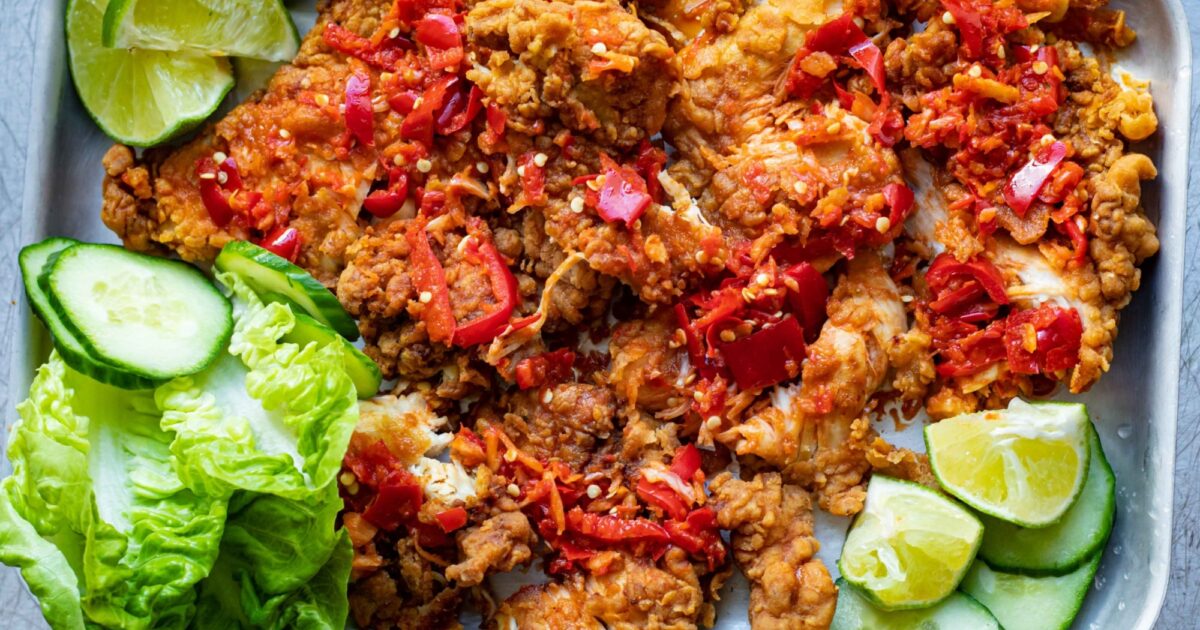
Time
Preparation and cooking times are crucial for planning your culinary adventure. This dish requires roughly:

- Preparation Time: 15 minutes
- Cooking Time: 20 minutes
- Additional Time: 10 minutes (for resting and garnishing)
All told, expect approximately 45 minutes from start to finish, making it suitable for both weeknight dinners and more leisurely weekend cooking sessions. The key is to organize your ingredients and workspace efficiently to streamline the process and maximize flavor development.
Needed Equipment
To craft this dish with precision and ease, assemble the following equipment:
- Mortar and Pestle: Essential for grinding sambal ingredients to achieve the desired coarse texture and potent flavor. While a blender can be used in a pinch, a mortar and pestle provide a more authentic and nuanced result.
- Deep Fryer or Heavy-bottomed Pot: For frying the chicken to crispy perfection. Use a thermometer if available to maintain consistent oil temperature.
- Cooking Thermometer: Ensures the oil is at the ideal frying temperature (~350°F / 175°C).
- Cutting Board and Sharp Knife: For prepping vegetables, chicken, and garnishes.
- Small Bowls and Measuring Spoons: For organizing seasonings and ingredients.
- Juicer or Reamer: To extract fresh lime juice efficiently.
- Tongs and Slotted Spoon: For handling hot fried chicken safely and draining excess oil.
- Serving Platter or Plate: To present the finished dish elegantly.
- Optional: Food Processor: For quick chopping or blending when a mortar and pestle aren’t available, though it may slightly alter the texture of the sambal.
Tags
These tags will help categorize and optimize the recipe for search engines and culinary databases:
- Southeast Asian Cuisine
- Spicy Chicken
- Homemade Sambal
- Fried Chicken Recipes
- Quick and Easy Dishes
- Authentic Flavors
- Gluten-Free
- Low Carb
Serving Size
This recipe yields approximately 2 to 3 servings, depending on portion size and accompanying side dishes. For larger gatherings or family meals, multiply ingredients accordingly. The dish is ideal as a main course with rice or fresh vegetables, ensuring a filling and balanced meal.
Difficulty Level
Intermediate. The process involves frying, grinding, and balancing flavors, which may require some culinary experience. However, with clear instructions and attention to detail, even novice cooks can master this dish. The key challenges include maintaining proper frying temperature and achieving the right sambal consistency.
Allergen Information
This dish contains potential allergens including:
- Chilies (for those sensitive to capsaicin)
- Garlic and shallots (allium family)
- Possible cross-contamination in fried chicken depending on preparation method
It is recommended to adjust ingredients based on individual allergies and sensitivities. For example, substitute garlic or shallots with alternatives if needed.
Dietary Preference
This recipe is naturally gluten-free and low in carbohydrates, making it suitable for various dietary preferences. For vegan or vegetarian adaptations, replace fried chicken with fried tofu or tempeh, and ensure that the sambal does not contain fish sauce or other non-vegan seasonings.
Course
Main course. The dish pairs beautifully with steamed rice, jasmine or basmati, and a side of fresh vegetables or salad.
Cuisine
Southeast Asian, specifically Indonesian and Malaysian influences, with vibrant chili and lime elements characteristic of the region’s bold flavor profile.
Ingredients
In a tabular format for clarity and ease of shopping:
| Ingredient | Quantity | Notes |
|---|---|---|
| Fried chicken (preferably thigh) | 2 pieces | Cooked until crispy; can be store-bought or homemade |
| Bird’s eye chilies | 20 pieces | Adjust based on spice tolerance |
| Garlic | 1 small clove | Fresh |
| Shallot | 1 small | Fresh |
| Key lime | 1 small | Juice only |
| Cherry tomatoes | 2 pieces | Optional for added sweetness and acidity |
| Royco seasoning | 1 teaspoon (optional) | Flavor enhancer |
| Sugar | 1 teaspoon | Adjust to taste |
| Flavor enhancer (e.g., MSG) | 1/4 teaspoon (optional) | Use sparingly |
Instructions
Step 1: Prepare the Fried Chicken
Begin by ensuring your fried chicken is crispy and hot. If you are starting from raw chicken, season and fry it until golden brown and cooked through. To achieve the perfect fried chicken, consider marinating the chicken with basic spices (salt, pepper, a bit of garlic powder) and then deep-frying in vegetable or peanut oil at approximately 350°F (175°C). Use a thermometer to monitor the temperature, maintaining it consistently to avoid sogginess and ensure even cooking. Once cooked, drain on paper towels to remove excess oil and set aside.
Step 2: Prepare the Sambal
In a traditional Southeast Asian kitchen, the mortar and pestle are the tools of choice for making sambal. Their grinding action releases essential oils and flavors, creating a spicy, aromatic paste. Place the bird’s eye chilies, garlic, shallot, and cherry tomatoes into the mortar. Use the pestle to grind and mash the ingredients together, applying consistent pressure. The goal is to achieve a coarse paste that retains some texture but is well combined. The level of spiciness can be adjusted by adding or reducing the number of chilies—remember, bird’s eye chilies are quite hot, so taste and adjust accordingly.
As you grind, the mixture will release vibrant colors and fragrances. Scrape down the sides of the mortar periodically and continue until you reach a coarsely ground consistency. This process can take approximately 3-5 minutes, depending on your strength and desired texture.
Step 3: Season the Sambal
Once the coarse paste is formed, add the Royco seasoning, sugar, and flavor enhancer if using. Mix thoroughly using the pestle or a spoon, ensuring that the seasonings are evenly distributed. This step balances the heat, sweetness, and umami, giving the sambal its characteristic depth of flavor. Taste the sambal at this stage and adjust the seasonings if needed—more sugar for sweetness, more chili for heat, or additional seasoning for umami complexity.
Step 4: Finish the Sambal with Lime Juice
Squeeze the fresh key lime juice into the sambal mixture. Use a juicer or reamer to extract the juice efficiently, avoiding seeds. Mix thoroughly to incorporate the acidity, which brightens the flavors and adds a tangy contrast to the heat. The lime juice also helps to preserve the freshness of the sambal and enhances its vibrant appearance.
Step 5: Assemble and Smash the Chicken
Arrange the fried chicken pieces on a serving platter. Using a mortar, gently press the chicken into the prepared sambal, pressing down and smashing slightly to crush the chicken and coat it evenly with the spicy condiment. This process releases juices and infuses the chicken with the flavors of the sambal, creating a harmonious blend of crispy exterior and flavorful interior. Be gentle but firm enough to slightly crush the chicken, ensuring the sambal adheres well and the textures meld together.
Step 6: Serve and Garnish
Transfer the smashed chicken sambal to a serving dish. Accompany with fresh raw vegetables like cucumber slices, lettuce, and herbs (cilantro or Thai basil) to provide a cooling contrast. For an authentic touch, serve with traditional Indonesian or Malaysian lalapan (raw vegetables and herbs). Optionally, sprinkle some chopped kencur (lesser galangal) or add a dash of fried shallots for extra aroma.
Enjoy this dish immediately while the chicken remains crispy and the sambal fresh and fiery. The combination of textures and flavors creates a delightful culinary experience that is both satisfying and invigorating.
Preparation Tips
- Adjust Spiciness: The heat level can be modified by adding or reducing bird’s eye chilies. For milder versions, substitute with red bell peppers or reduce the number of chilies.
- Use Fresh Ingredients: Fresh garlic, shallots, and lime juice significantly impact the flavor profile. Avoid dried or processed versions for optimal taste.
- Frying Technique: Maintain consistent oil temperature for crispy chicken. Do not overcrowd the frying pan to prevent temperature drops and sogginess.
- Texture Control: The sambal should be coarse enough to provide a chunky texture but smooth enough to coat the chicken evenly. Adjust grinding duration accordingly.
- Serving Temperature: Serve the dish hot or warm for maximum crunch and flavor, but it can also be enjoyed at room temperature.
Nutritional Information
| Nutrient | Per Serving (approximate) | Unit |
|---|---|---|
| Calories | 450 | kcal |
| Protein | 25 | g |
| Fat | 25 | g |
| Carbohydrates | 30 | g |
| Sodium | 800 | mg |
| Fiber | 4 | g |
| Sugar | 6 | g |
Tips and Tricks
- For a Smokier Flavor: Add a small amount of smoked chili powder to the sambal or briefly char some of the ingredients before grinding.
- Make Ahead: Prepare the sambal in advance; it stores well in the refrigerator for up to 2 days. Reheat gently before serving.
- Enhance Texture: Incorporate chopped peanuts or fried shallots into the sambal for added crunch and flavor complexity.
- Spice Balancing: If the sambal becomes too spicy, add a teaspoon of honey or a splash of coconut milk to mellow the heat.
Add-ons and Variations
- Additional Protein: Substituting fried chicken with fried fish or prawns for seafood variations.
- Vegetarian Version: Use fried tofu or tempeh in place of chicken.
- Extra Flavors: Incorporate a small amount of fermented shrimp paste (terasi) into the sambal for an authentic umami boost.
- Spice Infusions: Mix in a dash of cumin or coriander powder for a different aromatic profile.
Side Dishes
To complement the smashed chicken sambal, consider serving with:
- Steamed jasmine rice or coconut rice
- Fresh vegetable salad with a tangy vinaigrette
- Pickled vegetables (acar)
- Fried plantains or cassava fries for added crunch
- Additional sambal on the side for extra heat
Improvements
- Enhanced Flavor Layers: Roast or char the garlic and shallots before grinding to add depth.
- Texture Variations: Incorporate toasted rice powder or dried shrimp powder into the sambal for umami and texture.
- Presentation: Garnish with fresh herbs like cilantro, Thai basil, or sliced scallions for color and freshness.
Save and Store
Leftover sambal can be stored in an airtight container in the refrigerator for up to 3 days. For longer storage, freeze in small portions and thaw as needed. The fried chicken should be consumed within 24 hours for optimal crispness. To reheat, warm the chicken in an oven or air fryer to regain crunchiness. The sambal can be reheated gently on the stove, stirring occasionally.
FAQ
Can I make this dish vegetarian?
Yes, replace the fried chicken with fried tofu, tempeh, or even eggplant slices. Ensure the frying process uses plant-based oil and that seasonings are vegan-friendly.
How spicy is this sambal?
The spiciness depends on the number of bird’s eye chilies used. Adjust the quantity to suit your heat tolerance. For milder sambal, substitute some chilies with red bell peppers or omit the seeds.
Can I use dried chilies instead of fresh?
Fresh bird’s eye chilies are preferred for vibrant flavor and heat. Dried chilies can be soaked and rehydrated, then blended into the sambal, but this may alter the flavor profile slightly.
Is this dish gluten-free?
Yes, provided that the seasonings like Royco or flavor enhancers are gluten-free or omitted. Verify all seasoning ingredients to ensure compatibility with gluten-free diets.
What are some authentic side dishes to serve with this?
Traditional accompaniments include steamed rice, fresh vegetable lalapan, sambal terasi, and pickled vegetables. These enhance the dish’s authenticity and complement its spicy profile.
Conclusion
The Simple Smashed Chicken Sambal is a celebration of Southeast Asian flavors, combining the crunch of fried chicken with the fiery punch of homemade sambal. Its straightforward preparation process, rich layers of taste, and versatility make it a standout dish suitable for any occasion—whether casual family dinners or festive gatherings. Mastering this recipe not only expands your culinary repertoire but also introduces you to a world of bold, authentic flavors that can be customized to your preferences. Remember, the key to perfection lies in quality ingredients, precise technique, and a touch of personal flair. Enjoy crafting this dish and sharing its robust flavors with loved ones. For more such authentic recipes, visit Love With Recipes and explore a culinary journey that celebrates diversity, tradition, and innovation.
References
1. Serious Eats – Southeast Asian Sambal Recipes
2. Taste Atlas – Indonesian and Malaysian Cuisine