Introduction
The Spicy Sweet Tempe Stir-Fry, known locally in Indonesia as Oseng Tempe Pedas Manis, is a vibrant, flavorful dish that embodies the essence of Indonesian home cooking. This dish showcases the versatility of tempeh—a traditional fermented soybean product that serves as a nutritious and protein-rich staple in Southeast Asian cuisine—by transforming it into a tantalizing stir-fry infused with the fiery heat of chilies and the subtle sweetness of palm sugar and sweet soy sauce. It’s a dish that balances intense spice with a mellow, savory sweetness, making it an ideal centerpiece or accompaniment for any meal.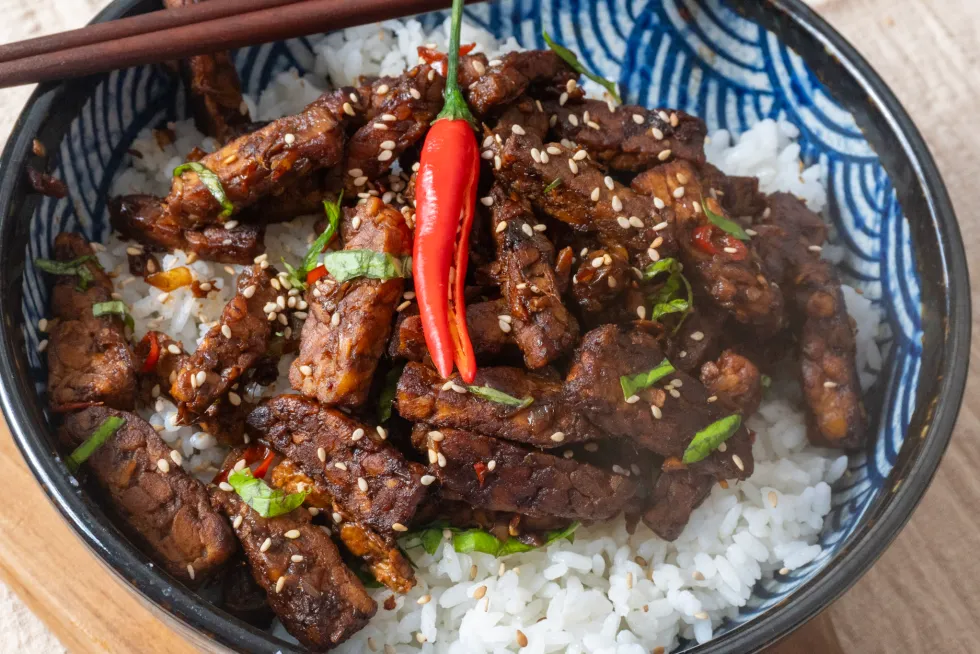
On Love With Recipes, we aim to bring you authentic, well-tested recipes that celebrate cultural diversity and culinary excellence. This Spicy Sweet Tempe Stir-Fry is no exception. With its straightforward preparation and quick cooking time, it is perfect for busy weeknights, casual gatherings, or even meal prep. The dish is also highly adaptable—adjust the level of spiciness, sweetness, or saltiness to suit your personal preferences or dietary needs. Whether you are a vegetarian, a spice lover, or simply exploring new flavors, this recipe offers a delightful experience that will tantalize your taste buds and introduce you to the rich flavors of Indonesian cuisine.
Time
Preparation Time: 15 minutes
Cooking Time: 20 minutes
Total Time: 35 minutes
Needed Equipment
- Frying pan or wok
- Sharp knife
- Chopping board
- Measuring spoons
- Spatula or wooden spoon
- Small bowl (for mixing seasonings)
- Grater (optional, for fresh ingredients)
- Stove or cooktop
- Strainer or slotted spoon (for frying tempeh)
- Serving dishes
- Cooking thermometer (optional, for oil temperature)
Tags
- Vegetarian
- Vegan (if omit sweet soy sauce or use vegan alternatives)
- Spicy
- Stir-fry
- Indonesian cuisine
- Healthy
- Quick & Easy
Serving Size
This recipe yields approximately 4 servings, making it perfect for family dinners or small gatherings.
Difficulty Level
Intermediate. While the process involves basic stir-frying techniques, balancing flavors and adjusting spice levels requires some culinary intuition and a taste for bold flavors.
Allergen Information
- Contains soy (tempeh, sweet soy sauce)
- Contains garlic and shallots
- Possible cross-contamination with nuts if processed in facilities that handle nuts (check packaging)
Dietary Preference
Vegetarian and can be made vegan by substituting sweet soy sauce with tamarind paste or coconut aminos and omitting any animal-derived ingredients.
Course
Main course, Side dish
Cuisine
Indonesian
Ingredients
Detailed Ingredients List
| Ingredient | Quantity | Notes |
|---|---|---|
| Tempeh (sliced and fried until half-cooked) | 1 block (about 250g) | Cut into strips or cubes; fry until golden and slightly crispy on edges |
| Shallots (finely sliced) | 5 cloves | Provides aromatic sweetness and depth |
| Garlic (minced) | 3 cloves | Enhances savory flavor |
| Green chilies (chopped) | 10 pieces | Adjust quantity based on spice tolerance |
| Bird’s eye chilies (to taste) | 5 pieces | Very spicy; optional, adjust accordingly |
| Tomato (diced) | 1 medium | Adds slight acidity and sweetness |
| Salt | To taste | Enhances overall flavor |
| Palm sugar | To taste (about 1-2 tsp) | Balance the heat with sweetness |
| Sweet soy sauce (kecap manis) | To taste (about 1-2 tbsp) | Gives dish its characteristic sweetness and depth |
| Water | A splash (~2 tbsp) | For creating a sauce base |
| Cooking oil | For sautéing and frying | Vegetable oil or coconut oil preferred |
Instructions
Step 1: Preparing the Ingredients
Begin by gathering all your ingredients and preparing them for cooking. Slice the shallots into thin, uniform strips to maximize their surface area and enhance caramelization. Mince the garlic finely to release maximum flavor. Chop the green chilies into small rings, taking care to wear gloves if you are sensitive to spicy oils or to avoid skin irritation. For the bird’s eye chilies, adjust the quantity based on your heat preference—these are especially spicy and should be used judiciously.
Dice the tomato into small cubes, ensuring they are evenly sized to cook uniformly and release their juices during sautéing. Prepare the tempeh by slicing it into strips or cubes, depending on your preference, then set aside.
Step 2: Frying the Tempeh
In a large frying pan or wok, heat enough cooking oil to fully submerge or adequately fry the tempeh. When the oil reaches approximately 170°C (340°F), add the tempeh slices or cubes carefully. Fry them until they develop a light golden color and a slight crispy texture on the edges—this process should take about 3-4 minutes per batch. Use a slotted spoon or strainer to remove the fried tempeh from the oil and drain excess oil on paper towels.
Fried tempeh not only adds texture but also absorbs flavors better during the stir-frying process, making each bite flavorful and satisfying.
Step 3: Sautéing Aromatics
In a clean wok or pan, heat approximately 2 tablespoons of cooking oil over medium heat. When the oil is hot enough (test by flicking a small bit of shallot or garlic into the oil—if it sizzles immediately, the oil is ready), add the sliced shallots and minced garlic. Sauté, stirring constantly, until they turn golden brown and aromatic, about 2-3 minutes. This step forms the fragrant base of your dish.
Be attentive to prevent burning, as burnt garlic and shallots can impart a bitter taste. Adjust the heat if necessary to maintain a gentle sizzle.
Step 4: Incorporating Chilies and Tomato
Add the chopped green chilies and bird’s eye chilies into the pan. Stir well to coat the aromatics in the spicy oils. Continue sautéing for an additional 2 minutes to release the heat and aroma from the chilies. Next, add the diced tomato, stirring to combine. Cook for 3-4 minutes until the tomato softens and releases its juices, creating a flavorful base sauce.
This step intensifies the chili aroma and begins to build the spicy, tangy profile characteristic of the dish.
Step 5: Creating the Sauce
Pour a small splash of water into the pan—about 2 tablespoons—to loosen the mixture and help in developing a sauce-like consistency. Stir to incorporate the water, which will help meld the flavors together. Add salt, palm sugar, and sweet soy sauce (kecap manis) according to your taste preferences. Use a small spoon or measuring spoons to adjust these seasonings carefully.
Let this mixture simmer gently for 2-3 minutes, allowing the flavors to meld and the sauce to slightly reduce.
Step 6: Combining Tempeh and Final Cooking
Add the previously fried tempeh into the pan, stirring gently to coat each piece with the spicy-sweet sauce. Reduce the heat to low-medium and continue cooking for another 5-7 minutes, stirring occasionally. This allows the tempeh to absorb the flavors fully and the sauce to thicken slightly.
Be cautious not to overcook, as tempeh can become too soft if cooked excessively. The goal is to have a flavorful, slightly sticky coating on the tempeh with a balanced spicy-sweet profile.
Step 7: Tasting and Adjusting Seasonings
Taste the dish and adjust seasonings as needed. If you prefer it sweeter, add a touch more palm sugar. For more heat, incorporate additional chopped chilies or a dash of chili flakes. If the sauce is too thick, add a splash of water to loosen it. For more saltiness, sprinkle a little more salt or soy sauce.
Step 8: Serving
Once the tempeh is well coated and the flavors are harmonized, remove the pan from heat. Serve the spicy sweet tempe stir-fry hot, garnished with fresh herbs such as chopped cilantro or sliced scallions if desired. Accompany with steamed jasmine rice or any preferred grain to complete the meal.
The dish is best enjoyed fresh but can be stored for later use with some quality reheating.
Preparation Tips
- Use firm or extra-firm tempeh for better texture; softer varieties may fall apart during frying.
- Frying tempeh until golden and slightly crispy enhances flavor and texture, providing a better base for absorbing the sauce.
- Adjust the heat level by varying the number of bird’s eye chilies; always taste as you go to prevent overpowering spiciness.
- For a richer flavor, consider adding a splash of coconut milk during the final simmering stage.
- Marinate the tempeh briefly in soy sauce or spices before frying for enhanced flavor.
Nutritional Information
| Nutrient | Per Serving (approximate) |
|---|---|
| Calories | 190 kcal |
| Protein | 12 grams |
| Total Fat | 8 grams |
| Saturated Fat | 1.5 grams |
| Carbohydrates | 20 grams |
| Dietary Fiber | 5 grams |
| Sugars | 4 grams |
| Sodium | 400 mg |
Tips and Tricks
- Control spice levels: Always taste the chilies before adding more. If you want milder heat, remove seeds from chilies or use fewer bird’s eye chilies.
- Enhance umami: Incorporate a dash of fish sauce (for non-vegetarians) or mushroom soy sauce for an extra savory depth.
- Make ahead: Prepare the fried tempeh and sauce mixture in advance. Reheat gently before serving to maintain texture.
- Vegetable variations: Add bell peppers, carrots, or snap peas for additional crunch and nutrients.
Add-ons
- Fresh herbs like cilantro, basil, or scallions for garnish
- Fried shallots or crispy garlic for added crunch
- Chopped peanuts or cashews for texture contrast
- Lime wedges for a citrusy brightness
Side Dishes
- Steamed jasmine or basmati rice
- Indonesian-style sambal or chili paste
- Fresh vegetable salad with lime dressing
- Pickled vegetables or acar
- Fried plantains or crispy crackers for extra flavor
Improvements
- Use coconut aminos as a soy-free alternative for a different flavor profile
- For a smoky flavor, add smoked paprika or grill the tempeh before stir-frying
- Incorporate grated ginger with aromatics for additional depth
- Experiment with different types of chilies to vary heat and flavor
Save and Store
Leftovers can be stored in an airtight container in the refrigerator for up to 2 days. Reheat in a skillet over low heat or in the microwave, adding a splash of water or oil to revive the sauce. For longer storage, freeze in portions for up to 1 month; thaw thoroughly before reheating.
To preserve the texture of fried tempeh, consider storing it separately and adding it to the sauce just before serving.
FAQ
Can I make this dish vegan?
Absolutely. Simply omit or substitute the sweet soy sauce with a vegan alternative like coconut aminos or tamarind paste. Ensure any additional seasonings are plant-based.
Can I adjust the spiciness?
Yes. Control the heat by adjusting the number and type of chilies used. Bird’s eye chilies are very spicy, so start with fewer and add more if desired. Removing seeds can also reduce heat.
What can I serve with this dish?
It pairs beautifully with steamed rice, but you can also serve it with noodles, quinoa, or even as a filling for wraps or sandwiches.
Is tempeh healthier than tofu?
Tempeh is fermented, which can aid digestion and increase probiotic content. It also tends to have higher protein and fiber levels compared to tofu, making it a nutritious choice.
Conclusion
The Spicy Sweet Tempe Stir-Fry exemplifies the bold, layered flavors of Indonesian cuisine while maintaining a straightforward, accessible preparation process. Its combination of fiery chilies, sweet soy sauce, and savory tempeh creates a dish that is both comforting and exciting to the palate. Whether you’re looking to explore vegetarian options or deepen your understanding of Southeast Asian flavors, this dish offers a delightful journey into authentic Indonesian home cooking. Remember to tailor the spice and sweetness levels to your taste, and don’t hesitate to experiment with additional vegetables or herbs for a personalized touch. Serve it hot over fluffy rice, and enjoy a wholesome, flavorful meal that celebrates cultural tradition and culinary creativity.