

 Introduction
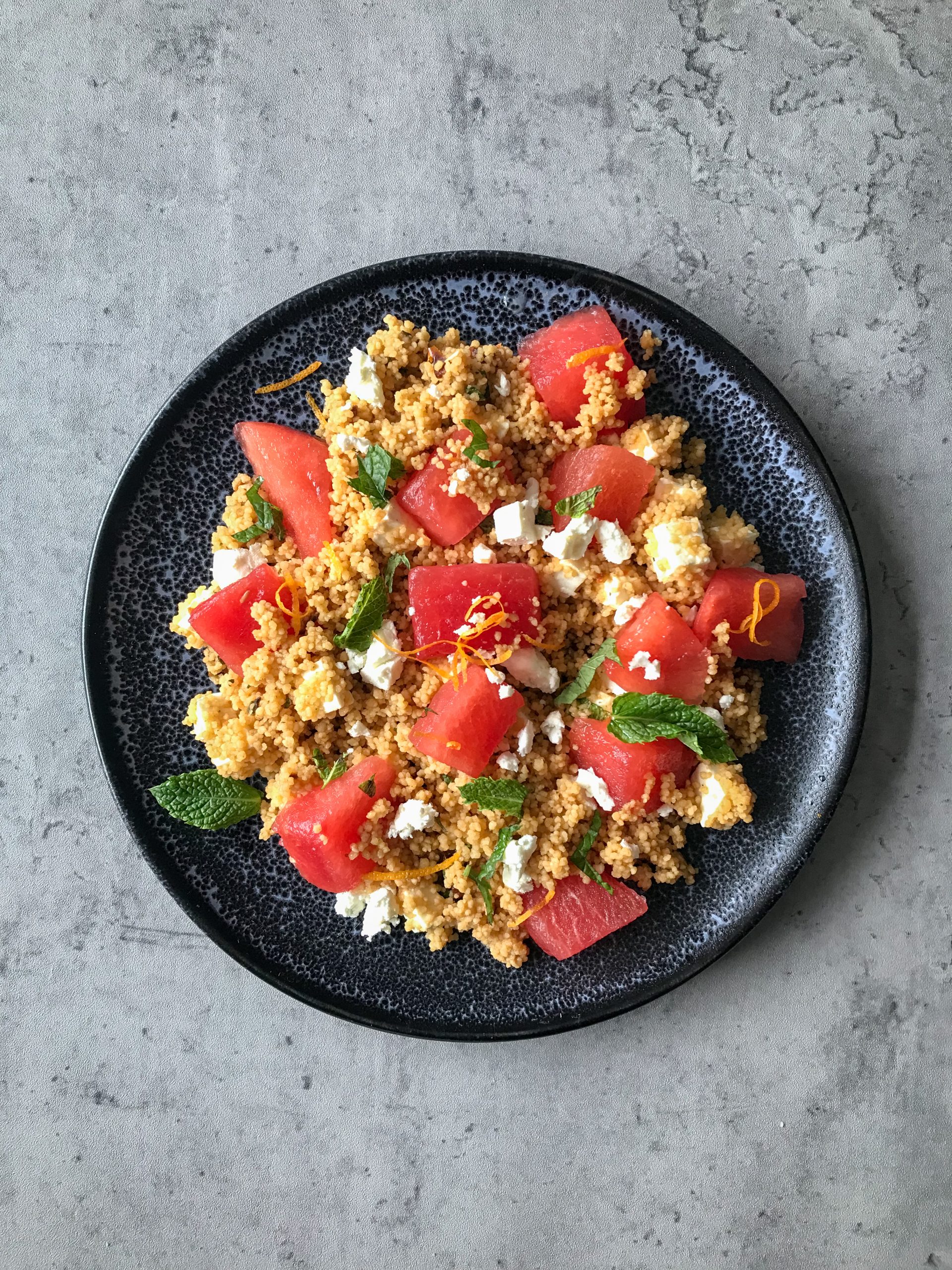
In the world of contemporary cuisine, few dishes capture the essence of seasonal freshness, vibrant colors, and delightful flavor contrasts as effectively as the couscous with watermelon, feta, and cherry tomatoes. This dish embodies a harmonious blend of textures and flavors that evoke the sunshine-drenched days of summer, making it an ideal choice for picnics, light lunches, or elegant dinner parties. Its popularity on platforms like Love With Recipes (lovewithrecipes.com) stems from its simplicity, versatility, and ability to adapt to various dietary preferences, all while delivering a nutrient-dense and visually appealing presentation.
The foundation of this dish is the fluffy, subtly nutty couscous, which acts as a neutral canvas for the juicy watermelon, tangy feta, and sweet cherry tomatoes. The combination of these ingredients, seasoned with fresh herbs and drizzled with high-quality olive oil, results in a salad that is both refreshing and satisfying. Whether served chilled or at room temperature, it offers a perfect balance of flavors, making it an excellent choice for hot weather or when seeking a light, nutritious meal that doesn’t compromise on taste.

Furthermore, this recipe exemplifies the art of balancing flavors—sweetness from the watermelon and cherry tomatoes, saltiness from the feta, and the aromatic touch of oregano and fresh herbs. It also allows for numerous variations and enhancements—adding nuts for crunch, incorporating grilled proteins for heartiness, or swapping ingredients to cater to vegan or allergy-sensitive diets. This flexibility makes it an enduring favorite among home cooks and professional chefs alike.
Time
Preparing this wholesome, delightful dish requires approximately 30 to 40 minutes, including preparation, resting, and assembly. Here’s a detailed breakdown:
- Preparation of ingredients: 10-15 minutes
- Cooking the couscous: 5-7 minutes
- Assembling and garnishing: 10-15 minutes
To ensure freshness, it is recommended to serve the dish immediately after preparation or within a couple of hours, especially if served at room temperature. If preparing in advance, store the components separately to maintain texture and flavor integrity.
Needed Equipment
Creating this dish involves a combination of basic kitchen tools and equipment that facilitate efficient preparation, cooking, and presentation:
- Saucepan or small pot: For boiling water to steam the couscous.
- Large mixing bowls: For soaking the couscous, mixing ingredients, and tossing the salad.
- Measuring cups and spoons: To ensure precise ingredient quantities.
- Chef’s knife: Sharp and suitable for slicing watermelon, tomatoes, and feta.
- Cutting board: Stable surface for slicing ingredients.
- Fork or fluffer: For fluffing the cooked couscous.
- Round mold or coppa pasta: For shaping the couscous into neat, elegant rounds on the plate.
- Serving plates or individual bowls: For presentation.
- Garnishing tools: Such as a small spoon or tongs for placing watermelon shavings and herbs.
- Kitchen towel or paper towels: For cleaning and drying ingredients.
Tags
Given the fresh, summery, and healthy nature of this dish, relevant tags include:
- Summer recipes
- Salads
- Vegetarian
- Gluten-free (if couscous is gluten-free or substituted)
- Vegan (if feta is omitted or replaced)
- Healthy eating
- Light meals
- Fresh produce
- Low-calorie
- Elegant presentation
Serving Size
This recipe yields approximately four generous servings, making it perfect for family lunches, small gatherings, or meal prep for the week. Each serving provides a balanced portion of carbohydrates, protein, and healthy fats, suitable for a light main course or a substantial side dish.
Difficulty Level
This dish is classified as easy to prepare, requiring basic culinary skills such as chopping, boiling, and mixing. Its straightforward steps make it accessible even for novice cooks, while the vibrant presentation and flavor complexity impress more experienced chefs. The key is to handle fresh ingredients with care and maintain proper seasoning and presentation for maximum visual and taste appeal.
Allergen Information
This recipe contains:
- Gluten: Present in couscous (unless gluten-free variety is used)
- Dairy: Feta cheese
- Potential cross-contamination: Check ingredients for traces of nuts or other allergens if purchasing pre-packaged products.
For individuals with dairy intolerance or allergies, feta can be replaced with plant-based cheese or omitted entirely. Use gluten-free couscous if necessary for gluten sensitivities.
Dietary Preference
This dish aligns with vegetarian dietary preferences. It can be adapted for vegan diets by substituting feta with vegan cheese or plant-based alternatives. The recipe also suits low-calorie, low-fat, and low-sugar diets when ingredients are chosen mindfully.
Course
This dish functions as a main course or a substantial side dish, depending on portion size and accompanying dishes. Its fresh and light profile makes it suitable for summer lunches, light dinners, or as part of a multi-course meal.
Cuisine
Inspired by Mediterranean and Middle Eastern culinary traditions, this dish celebrates the use of fresh produce, olive oil, and herbs typical of these regions. Its vibrant colors and flavor profile evoke the spirit of sunny coastal cuisines, making it a perfect addition to any Mediterranean-inspired menu.
Ingredients in Tables
| Ingredient | Quantity | Notes |
|---|---|---|
| Couscous | 320g | Use plain or whole wheat for added fiber |
| Watermelon (seedless) | 150g | Fresh, ripe, seedless variety preferred |
| Cherry tomatoes | 300g | Choose ripe, firm tomatoes |
| Feta cheese | 250g | Cut into cubes |
| Oregano | To taste | Fresh or dried |
| Extra virgin olive oil | To taste | High quality for best flavor |
| Fine salt | To taste | |
| Black pepper | To taste | |
| Additional watermelon slices | For garnish | Optional |
Instructions
1. Prepare the Couscous
Begin by heating a pot of water just below boiling point—around 95°C or 203°F. Use about 1.5 times the volume of couscous to water, which translates to roughly 480-500ml of water for 320g of couscous. This precise temperature ensures the water is hot enough to steam the couscous without boiling vigorously, which helps maintain the delicate texture of the grains.
While the water heats, place the couscous in a large, heatproof bowl. Drizzle a tablespoon of extra virgin olive oil over the grains, using a fork or spoon to distribute it evenly. This step prevents the grains from sticking together and adds a subtle richness. Once the water reaches the right temperature, pour it over the couscous, making sure all grains are submerged. Cover the bowl tightly with plastic wrap or a clean kitchen towel to trap the steam effectively.
Allow the couscous to sit undisturbed for about five minutes. During this period, the steam and hot water will hydrate the grains thoroughly, resulting in a tender, fluffy texture. Avoid stirring during this time to keep the grains separate and prevent clumping.
2. Prepare the Ingredients
While the couscous is steaming, focus on preparing the fresh ingredients to maximize freshness and texture. Peel the watermelon carefully, removing the rind and any white pith. Cut the flesh into thin slices about ½ centimeter thick, then dice these slices into small cubes. Aim for uniform pieces to ensure even distribution and aesthetic appeal.
Similarly, cut the feta cheese into cubes of similar size to the watermelon. This uniformity enhances the visual presentation and ensures consistent flavor distribution. When slicing cherry tomatoes, choose ripe, firm specimens. Slice them in half or quarters depending on size and preference—halved for a more delicate texture or quartered for a more substantial bite.
3. Fluff the Couscous
After five minutes, carefully check the couscous. It should be tender and fully hydrated, with grains that are fluffy and separate. Uncover the bowl and gently drizzle with another small splash of olive oil to enhance the gloss and flavor. Using a fork or a wide, flat utensil, fluff the couscous gently, separating the grains without mashing them. This step is crucial for achieving a light, airy texture that forms the perfect base for the salad.
Season the couscous with a pinch of fine salt, adjusting to taste. Remember that the feta will add saltiness, so be cautious not to oversalt at this stage. Mix lightly to distribute the seasoning evenly.
4. Mix the Salad Components
In a large mixing bowl, combine the prepared cherry tomatoes, watermelon cubes, and feta cheese. Use a spoon or spatula to gently toss these ingredients together. Drizzle with a generous amount of extra virgin olive oil, approximately 2-3 tablespoons, depending on taste preference. Season with freshly ground black pepper and dried or fresh oregano leaves. For added flavor, you can also incorporate finely chopped basil or mint if desired.
Gently toss all ingredients to ensure an even coating of dressing and seasoning. The goal is to preserve the integrity of each component while creating a harmonious blend of flavors. Taste and adjust seasoning as needed, adding more salt, pepper, or herbs to suit your palate.
5. Assemble the Dish
To create an elegant presentation, use a round mold or coppa pasta ring as a form. Place it at the center of each serving plate. Spoon the fluffy, seasoned couscous into the mold, pressing it down gently to create a compact, uniform shape. Carefully lift the mold, leaving a neat, round mound of couscous on the plate.
Next, spoon the mixed salad of tomatoes, watermelon, and feta atop the couscous, arranging it artfully to showcase the vibrant colors and fresh ingredients. For an added visual touch, place a few slices of watermelon around the edge of the plate or on top as garnish.
6. Garnish and Serve
For a refreshing finishing touch, thinly slice remaining watermelon into decorative shards or shards and scatter them over the top of the salad. This adds a splash of color and enhances the dish’s visual appeal. Alternatively, sprinkle freshly chopped herbs such as basil, mint, or additional oregano for aromatic brightness.
Serve immediately for the freshest experience. This dish can be enjoyed chilled or at room temperature, making it ideal for hot summer days. Pair it with a crisp white wine or sparkling water infused with citrus for a complete, refreshing meal.
Preparation Tips
- Use ripe, seasonal produce: The success of this dish hinges on the freshness and ripeness of watermelon and tomatoes. Select vibrant, firm produce for the best flavor and texture.
- Chill the ingredients: For an extra refreshing experience, refrigerate the watermelon, tomatoes, and feta before preparation. This enhances the cooling sensation and overall flavor.
- Adjust seasonings: Taste the salad before serving and adjust salt, pepper, or herbs to your liking. The feta’s saltiness may reduce the need for additional salt.
- Use high-quality olive oil: Since olive oil is a key flavor component, opt for extra virgin varieties that offer robust aroma and taste.
- Prepare ahead of time: The components can be prepared a few hours in advance. Keep the couscous and fresh ingredients refrigerated separately until assembly.
Nutritional Information
| Nutrient | Amount per Serving |
|---|---|
| Calories | 380 kcal |
| Protein | 10g |
| Carbohydrates | 56g |
| Fat | 14g |
| Fiber | 3g |
| Sugars | 8g |
| Sodium | 480mg |
| Calcium | 150mg |
| Iron | 2mg |
Tips and Tricks
- Use a mold for presentation: The round mold elevates the dish’s visual appeal and makes it suitable for formal occasions.
- Experiment with herbs: Fresh basil, mint, or parsley can add aromatic complexity.
- Incorporate additional textures: Toasted nuts like pine nuts or slivered almonds add crunch and contrast.
- Vary the fruits: Try adding slices of ripe peach or nectarine for a different fruit twist.
- Make it vegan: Replace feta with vegan cheese or omit altogether for a lighter, plant-based version.
Add-ons
- Grilled chicken or shrimp for added protein
- Chickpeas or beans for vegetarian heartiness
- Avocado slices for creaminess
- Fresh herbs like basil, mint, or cilantro for extra aroma
- Olives or capers for an additional salty punch
Side Dishes
Complement this vibrant salad with:
- Grilled vegetables such as zucchini, eggplant, or bell peppers
- Crusty artisan bread or pita for scooping
- Light hummus or tzatziki for dipping
- Fresh fruit platter to enhance the seasonal theme
- Cold beverages like sparkling water with lemon or a crisp Sauvignon Blanc
Improvements
To elevate this dish further, consider:
- Add a citrus dressing: Mix lemon or lime juice with honey and olive oil for an extra zing.
- Use flavored salts: Infuse finishing touches with smoked salt or infused salts for depth.
- Incorporate grains: Mix in cooked quinoa or bulgur for added texture and nutritional value.
- Serve with a side dip: A dollop of Greek yogurt or a drizzle of balsamic reduction can enhance the flavor profile.
Save and Store
To preserve leftovers, store the components separately in airtight containers in the refrigerator. Consume within 24-48 hours for optimal freshness. When ready to serve again, fluff the couscous and toss the salad ingredients lightly to redistribute moisture and flavor. Avoid storing mixed components for extended periods, as the watermelon and feta may release moisture, affecting texture.
FAQ
Can I prepare this dish ahead of time?
Yes, prepare the individual components—couscous, chopped vegetables, and feta—a few hours in advance. Keep them refrigerated separately. Assemble just before serving to maintain freshness and texture.
Is this dish suitable for vegan diets?
Absolutely. Omit the feta or replace it with vegan cheese or marinated tofu to keep it plant-based. The rest of the ingredients naturally align with vegan preferences.
Can I substitute couscous with other grains?
Yes, quinoa, bulgur, or millet work well as alternatives, providing similar textures and nutritional profiles.
What variations can I try?
Feel free to add herbs like basil or mint, include nuts for crunch, or incorporate grilled proteins for a more filling meal. Adjust seasoning to taste, and experiment with fruits like peaches or nectarines for seasonal variation.
How can I make this dish more filling?
Add grilled chicken, shrimp, or chickpeas. Serving with crusty bread or a side of roasted vegetables also enhances the meal’s satiety.
Conclusion
The couscous with watermelon, feta, and cherry tomatoes exemplifies a sophisticated yet straightforward approach to summer dining. Its vibrant colors, fresh flavors, and adaptable nature make it an indispensable addition to your culinary repertoire. Perfect for hot days or any occasion demanding a light, nutritious, and visually stunning dish, it invites customization and creativity. The balance of sweet, salty, tangy, and herbal notes elevates it beyond a simple salad, transforming it into a memorable dining experience. Remember, the key to mastery lies in selecting high-quality ingredients, respecting flavor harmony, and serving with flair. Explore variations, incorporate your favorite ingredients, and enjoy this celebration of seasonal produce—your palate and guests will thank you.
For further inspiration, you may consult sources such as Mediterranean Living or Saveur Magazine for authentic Mediterranean culinary techniques and flavor pairings. Always use fresh, high-quality ingredients to ensure the best results, and don’t hesitate to experiment with new herbs or grains to make this dish uniquely yours.