

Introduction
In the culinary world, creating a signature flavor profile often begins with the right blend of herbs and spices. The all-purpose spice rub is a quintessential example of a versatile seasoning mixture that elevates a wide array of dishes—from succulent grilled meats to hearty roasted vegetables and even tofu. This spice blend’s roots stretch back through centuries of global culinary traditions, drawing influences from indigenous, Middle Eastern, Mediterranean, and American barbecue cultures. Its ability to adapt and complement diverse ingredients makes it an essential staple in every home cook’s arsenal. At Love With Recipes, we understand that a well-crafted spice rub can transform ordinary ingredients into extraordinary meals, and this comprehensive guide will take you through every aspect of creating, using, and storing your perfect all-purpose spice blend.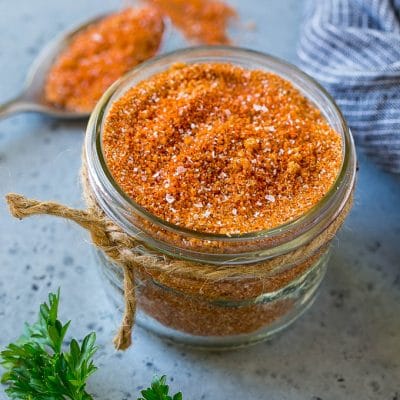
Time
The entire process of preparing this all-purpose spice rub is remarkably quick, designed to fit seamlessly into your busy schedule. From gathering ingredients to mixing, it should take approximately 5 to 10 minutes. The actual blending process is straightforward, requiring only a few minutes of your time. Once prepared, the spice rub can be stored in an airtight container, ready to elevate your dishes over several weeks or even months, depending on storage conditions and ingredients used. The minimal time investment yields maximum flavor payoff, making it an efficient addition to your culinary repertoire.

Needed Equipment
- Measuring spoons (tablespoons and teaspoons)
- Mixing bowl (preferably ceramic or glass for easy cleaning)
- Whisk or spoon for mixing
- Airtight storage container (glass jar or plastic container with lid)
- Knife and cutting board (optional, if you want to incorporate fresh herbs or garlic)
- Small funnel (optional, for transferring the spice rub into containers)
All these tools are common in most kitchens and facilitate precise measurement and thorough mixing, ensuring the consistency and quality of your spice blend.
Tags
Herbs and Spices, DIY Seasoning, BBQ, Grilling, Healthy Cooking, Vegetarian, Vegan, Gluten-Free, Easy Recipes, Meal Prep, Pantry Staples
Serving Size
One batch of this spice rub yields approximately 1/2 cup (about 8 tablespoons). This amount is sufficient to season multiple dishes, depending on your usage. Typically, 1 to 2 tablespoons are used per pound of meat or vegetable, which means this recipe can season between 4 to 8 servings, making it ideal for weekly meal prep or family dinners.
Difficulty Level
This recipe is rated as easy; no special skills or equipment are required. The steps involve simple measuring and mixing, making it accessible for beginners and seasoned cooks alike. The flexibility in adjusting spice quantities allows for customization based on flavor preferences and dietary needs.
Allergen Information
- Contains: Garlic (powder), onion (powder)
- Free from: Gluten, nuts, dairy (assuming no cross-contamination)
- Note: Always check individual spice labels if you purchase pre-packaged spices, as cross-contamination can occur in processing facilities.
Dietary Preference
This spice rub is naturally vegan, vegetarian, gluten-free, and free from added preservatives. It can be adapted to specific dietary needs by reducing salt or sugar, making it a flexible choice for health-conscious individuals and those with food sensitivities.
Course
Condiment, Seasoning
Cuisine
Global (with influences from Middle Eastern, Mediterranean, American barbecue traditions)
Ingredients
| Ingredient | Quantity | Notes |
|---|---|---|
| Paprika | 2 tablespoons | Use smoked paprika for a smoky flavor or sweet paprika for milder taste |
| Garlic powder | 1 tablespoon | Fresh garlic can be used, but powder blends more evenly |
| Onion powder | 1 tablespoon | Provides depth and sweetness |
| Ground black pepper | 1 tablespoon | Freshly ground enhances flavor |
| Salt | 1 tablespoon | Adjust to taste; sea salt preferred for purity |
| Dried oregano | 1 teaspoon | Optional: crushed oregano leaves |
| Dried thyme | 1 teaspoon | Provides subtle earthy notes |
| Cumin powder | 1 teaspoon | Gives a warm, nutty flavor |
| Chili powder | 1 teaspoon | Adjust chili level based on heat preference |
| Brown sugar | 2 tablespoons | Balances heat with sweetness |
Instructions
Step 1: Prepare Your Workspace
Start by cleaning your workspace and gathering all necessary equipment and ingredients. Ensure your measuring spoons are clean and dry to prevent any moisture from clumping the spices. Choose a large enough mixing bowl to comfortably combine all ingredients.
Step 2: Measure Ingredients Accurately
Use your measuring spoons to carefully measure each component. Precision ensures the flavor balance remains consistent each time you prepare the spice rub. For example, level off each measurement with the back of a knife or a flat spatula to ensure accuracy.
Step 3: Combine Spices and Herbs
Place all measured ingredients into the mixing bowl. To achieve a homogeneous mixture, whisk vigorously or stir with a spoon for about 1-2 minutes. This step is crucial to ensure that each spoonful delivers the same flavor profile, with no clumps or uneven distribution.
Step 4: Taste and Adjust
Although the mixture is primarily for seasoning, a small taste test of the blend (using a clean utensil) can help you decide if adjustments are necessary. You might want to add more salt, sugar, or chili powder depending on your preferences.
Step 5: Store Properly
Transfer the spice rub into an airtight container using a small funnel if needed. Label the container with the date and ingredients. Store in a cool, dark place such as a pantry or spice drawer. Proper storage preserves freshness and flavor for up to 6 months.
Preparation Tips
- For a smoky flavor, substitute regular paprika with smoked paprika.
- If you prefer a spicier rub, increase chili powder or add cayenne pepper.
- To make a milder version, reduce or omit chili powder and increase brown sugar for sweetness.
- Mix in dried herbs like rosemary or basil for additional layers of flavor.
- Grind whole spices such as cumin seeds or dried oregano with a mortar and pestle for a fresher taste.
Nutritional Information
| Nutrient | Per 1 Tbsp (approximate) |
|---|---|
| Calories | 20 kcal |
| Total Fat | 0.3 grams |
| Sodium | 640 mg |
| Carbohydrates | 4.5 grams |
| Dietary Fiber | 1.2 grams |
| Sugars | 1.8 grams |
| Protein | 0.6 grams |
Tips and Tricks
- Use freshly ground black pepper for a more vibrant flavor.
- Toast dried herbs lightly in a dry skillet before incorporating for an intensified aroma.
- Mix small batches initially to test flavor balance before making larger quantities.
- Adjust sweetness and heat levels based on the intended dish—less sugar for savory dishes, more for BBQ or grilled chicken.
- For a more complex flavor, add a pinch of cinnamon or smoked paprika.
Add-ons
- Crushed red pepper flakes for extra heat
- Ground coriander for a citrusy note
- Smoked chipotle powder for smoky depth
- Dehydrated lemon zest for brightness
Side Dishes
This spice rub is perfect for enhancing the flavor of:
- Grilled chicken breasts or thighs
- Roasted vegetables such as carrots, potatoes, and zucchini
- Barbecue ribs or pork chops
- Tofu or tempeh for plant-based options
- Seafood like shrimp or salmon
Serve with classic sides like coleslaw, grilled corn, or a fresh green salad for a complete meal.
Improvements
- Incorporate fresh minced garlic or onion for a more pungent, aromatic profile.
- Add a splash of liquid smoke for an extra smoky flavor without using smoked paprika.
- Mix in dried lemon or lime zest to add citrusy brightness.
- Experiment with different sweeteners like honey powder or coconut sugar for nuanced sweetness.
Save and Store
Once prepared, store your spice rub in a tightly sealed container in a cool, dark place. Proper storage prevents oxidation and preserves flavor—ideally, keep it away from direct sunlight and moisture. Label the container with the date of preparation to keep track of freshness. When stored correctly, your spice blend can last up to 6 months, making it a convenient seasoning option for future meals. Remember to stir or shake the container occasionally to redistribute the ingredients evenly.
FAQ
Can I make this spice rub ahead of time?
Absolutely. Preparing the spice rub in advance allows the flavors to meld and develop. It’s best to store it in an airtight container for up to 6 months.
Can I customize the spice levels?
Yes, feel free to adjust the quantities of chili powder and black pepper to suit your heat tolerance. For a milder version, reduce or omit chili powder entirely.
Is this spice rub suitable for grilling?
Definitely. It’s perfect for grilling meats, vegetables, and even seafood, imparting a smoky, flavorful crust.
Can I add fresh herbs?
Fresh herbs like cilantro, parsley, or basil can be incorporated into the rub but are best added after cooking, as they do not dry well in spice blends.
How can I make this spice rub gluten-free or vegan?
This blend is naturally gluten-free and vegan. Just ensure your ingredients, especially the spices, are free from gluten contamination and do not contain animal-derived additives.
Conclusion
Crafting your own all-purpose spice rub at home is a rewarding process that enhances your culinary creations with depth and complexity. Its adaptability makes it suitable for a variety of proteins, vegetables, and even plant-based dishes. Whether you’re preparing a quick weeknight dinner or hosting a backyard barbecue, this spice blend serves as a reliable, flavor-packed foundation. The key to its success lies in balancing the herbs and spices to suit your taste, and with a little experimentation, you can develop a signature blend that becomes a staple in your kitchen. Remember, the best flavors often come from fresh ingredients and thoughtful adjustments. At Love With Recipes, we encourage you to personalize this recipe and enjoy the process of creating delicious, memorable meals.
References
- McGee, Harold. “On Food and Cooking: The Science and Lore of the Kitchen.” Scribner, 2004.
- Shurtleff, William, and Akiko Aoyagi. “The Book of Seasonings.” Soyinfo Center, 2009.