

 Introduction
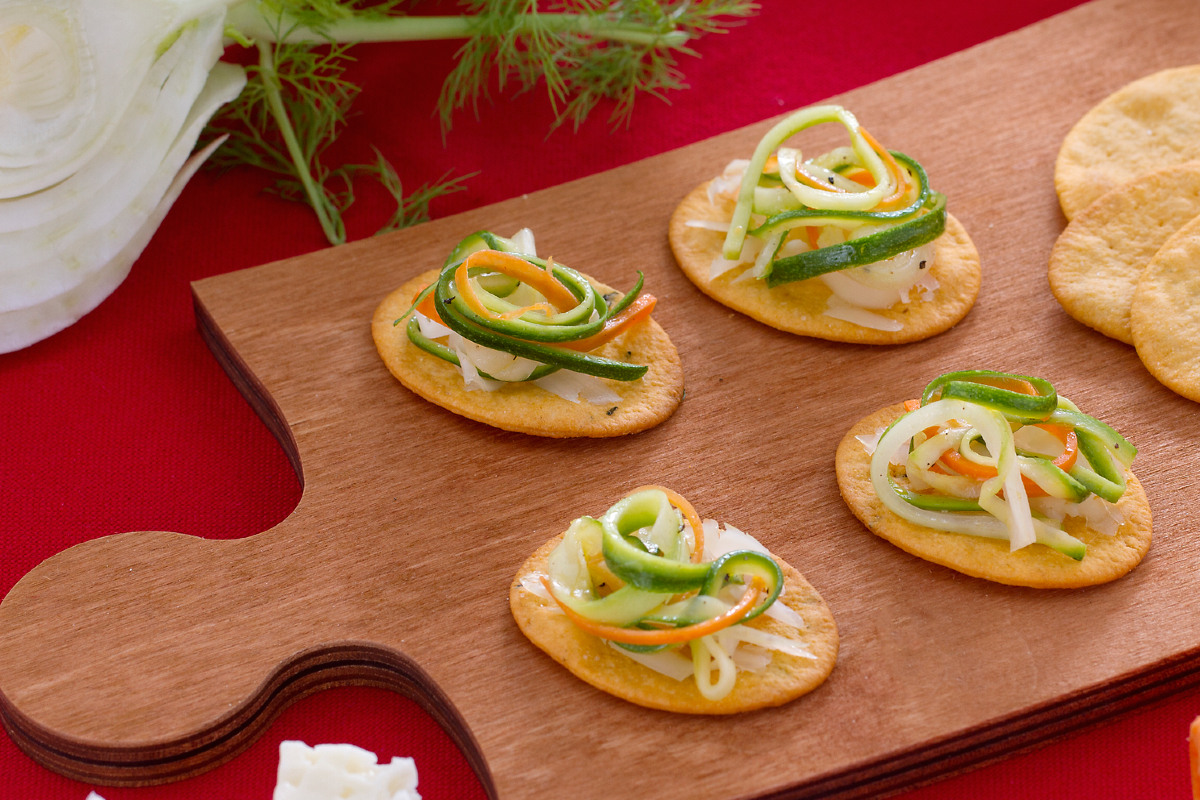
Welcome to the culinary journey curated by Love With Recipes, where we explore innovative and delightful appetizer creations that elevate any gathering or casual snack. Today, we delve into a sophisticated yet accessible recipe: Julienne Vegetable Flatbreads with Asiago Cheese. This dish combines the crisp freshness of julienned vegetables with the creamy, nutty notes of Asiago cheese atop a crisp flatbread base. Perfect for serving as an elegant starter at dinner parties, a chic appetizer for special occasions, or even a light snack to enjoy with friends, this recipe embodies a harmonious balance of textures and flavors. The preparation emphasizes fresh, quality ingredients and simple techniques, making it ideal for both seasoned cooks and enthusiastic beginners eager to impress with minimal fuss. Let’s explore this dish in meticulous detail, ensuring every step is clear, every ingredient optimized, and every flavor profile appreciated, transforming a simple flatbread into a gourmet experience.
Time
Total time: Approximately 30 minutes

- Preparation: 20 minutes
- Assembly: 5 minutes
- Optional resting or flavor melding time: 5 minutes (recommended for best flavor)
Note: The time may vary depending on your familiarity with julienne techniques and preparation speed. For optimal freshness, serve immediately after assembly.
Needed Equipment
- Vegetable peeler – for removing tough outer layers and preparing vegetables for julienne cuts
- Sharp chef’s knife – essential for precise cuts and trimming vegetables
- Cutting board – sturdy surface for safe and efficient vegetable prep
- Julienne peeler or mandoline with julienne attachment – for uniform vegetable strips
- Microplane or fine grater – to grate Asiago cheese finely and delicately
- Small bowls or ramekins – for grated cheese, salt, pepper, and olive oil
- Serving platter or flat tray – to present the flatbreads attractively
- Brush or spoon – for drizzling olive oil onto each flatbread
- Tongs or small spatula – to gently place vegetables onto flatbreads
Tags
Appetizer, Vegetarian, Easy, Quick, Healthy, Elegant, Snack, Gourmet, Fresh
Serving Size
This recipe yields approximately 12 individual flatbreads, making it ideal for serving 6 to 12 guests, depending on portion size and accompanying dishes. Each flatbread is designed as a single serving, perfect for sharing or as a light appetizer.
Difficulty Level
Easy to Moderate. While the techniques involved—such as julienne cuts and cheese grating—are straightforward, attention to detail is necessary to ensure uniform vegetable strips and an aesthetically pleasing presentation. Suitable for cooks of all experience levels looking to hone their vegetable prep skills and presentation finesse.
Allergen Information
- Gluten: Present in flatbreads (check label if gluten-free is required)
- Dairy: Contains Asiago cheese (dairy allergy concern)
- Tree nuts, peanuts, shellfish: Not present
Dietary Preference
Vegetarian. This recipe does not include meat or seafood. For vegan adaptations, substitute the Asiago cheese with a plant-based cheese alternative and ensure the flatbreads are vegan-friendly.
Course
Appetizer / Starter
Cuisine
Italian-inspired, Mediterranean, Modern European
Ingredients
Ingredient Details and Quantities
| Ingredient | Quantity | Description / Notes |
|---|---|---|
| La Bottega di Olivia & Marino Flatbreads | 12 pieces | Choose high-quality, thin flatbreads for optimal crunch and flavor |
| Carrots | 30g (about 1 small or 2 medium) | Fresh, firm carrots for julienne cutting |
| Celery | 25g (about 1-2 stalks) | Use crisp, fresh celery for best texture |
| Fennel | 25g (about ¼ bulb) | Fresh fennel bulb, trimmed of tougher outer layers |
| Asiago Cheese | 25g | Finely grated for delicate curls and flavor |
| Zucchini | 20g (about ¼ medium zucchini) | Fresh, firm zucchini, trimmed |
| Extra Virgin Olive Oil | To taste (around 1-2 teaspoons per flatbread) | Preferably cold-pressed for rich flavor |
| Fine Salt | To taste (approximately ¼ teaspoon per flatbread) | Sea salt preferred for subtle flavor enhancement |
| Black Pepper | To taste (freshly ground) | Freshly ground for maximum aroma and flavor |
Instructions
Step 1: Preparing the Vegetables
Begin by thoroughly washing all the vegetables under cold running water to remove dirt, residues, and any potential contaminants. Use a vegetable brush if necessary to scrub the carrots, celery, and fennel bulbs, ensuring cleanliness and freshness. Proper washing not only guarantees food safety but also enhances the natural flavors of the vegetables.
Carrots
- Peel the carrots using a vegetable peeler to remove the outer skin, especially if they are older or have blemishes. Peeling also creates a smooth surface, making julienne cuts more uniform.
- Trim off the top green leaves and the pointed tip of the carrot for a clean, straight edge.
- Using a julienne peeler or a mandoline with a julienne attachment, slice the carrots into thin matchstick-sized strips. If using a knife, carefully cut the carrot into thin planks and then into matchsticks, maintaining consistent thickness for even cooking and presentation.
Celery
- Remove the outer fibrous layer with a vegetable peeler to ensure a tender texture.
- Trim the base and the leafy tops, setting aside the leaves for garnish or other uses.
- Cut the celery stalks into manageable lengths, then slice into thin julienne strips, about 2-3 inches long, with uniform thickness for aesthetic appeal.
Fennel
- Trim the fennel bulb, removing the tougher outer layers until the tender, pale inner layers are exposed.
- Cut the fennel in half, then into quarters, removing the core if it appears tough or fibrous.
- Slice each quarter into thin julienne strips, paying attention to maintaining uniformity to ensure even flavor distribution and attractive presentation.
Zucchini
- Trim the ends of the zucchini, removing the stem and blossom ends.
- Slice the zucchini lengthwise into thin planks, then stack and cut into matchstick-sized strips.
- Ensure the strips are consistent in thickness for uniform cooking and visual harmony.
Step 2: Grating the Asiago Cheese
Using a fine grater or microplane, grate the Asiago cheese until you have delicate curls or fine shreds. The goal is to create soft, manageable cheese strands that will melt slightly into the flatbread and complement the crisp vegetables. Set aside in a small bowl or ramekin to facilitate easy assembly.
Step 3: Assembling the Flatbreads
Lay the flatbreads on a clean, flat surface or serving tray. For each flatbread, begin by sprinkling a small amount (about 1 teaspoon) of the grated Asiago cheese in the center, forming a modest mound. This will act as an adhesive base for the vegetables and add a rich, cheesy flavor with each bite.
Layering the Vegetables
- Using tongs or a small spatula, gently place the julienne vegetables on top of the cheese mound, arranging them evenly across the flatbread. Aim for a balanced distribution—some vegetables overlapping slightly, others spread out—to create visual interest and ensure each bite contains a variety of flavors.
- Repeat this process for all 12 flatbreads, paying attention to maintaining consistency in the vegetable placement to facilitate uniform flavor and appearance.
Step 4: Finishing Touches
Lightly drizzle each flatbread with high-quality extra virgin olive oil, approximately 1-2 teaspoons per piece. The oil adds richness, enhances the flavors, and contributes to the crispness of the flatbread when served. Use a brush or a small spoon to distribute the oil evenly.
Season each flatbread with fine sea salt and freshly ground black pepper according to taste. Be mindful not to overpower the delicate vegetable flavors with excessive seasoning; a light hand ensures the natural freshness remains the star.
Preparation Tips
- Uniform Julienne Cuts: Achieving even vegetable strips not only improves the aesthetic but also ensures uniform cooking and flavor distribution. Use tools like a julienne peeler or mandoline for precision.
- Freshness Matters: Select crisp, fresh vegetables for vibrant color and crunch. Wilted or old vegetables will compromise texture and flavor.
- Cheese Quality: Opt for aged Asiago cheese for a more pronounced flavor. Finely grate to ensure delicate curls that melt slightly and blend seamlessly into the flatbread.
- Flatbread Selection: Choose thin, crispy flatbreads to balance the moisture and crunch. Store flatbreads in an airtight container to maintain freshness until use.
- Assembly Timing: Assemble just before serving to preserve the crunch and freshness of the vegetables and flatbread. If preparing in advance, keep the components separate and assemble at the last moment.
Nutritional Information
| Nutrient | Per Serving (1 flatbread) |
|---|---|
| Calories | Approximately 120 kcal |
| Protein | 3g |
| Carbohydrates | 15g |
| Dietary Fiber | 2g |
| Total Fat | 6g |
| Saturated Fat | 2g |
| Sodium | 150mg |
Note: Nutritional values are approximate and based on standard ingredient measurements. Adjustments in ingredient quantities or specific brands may affect values.
Tips and Tricks
- Vegetable Variations: Incorporate other seasonal vegetables like bell peppers, cherry tomatoes, or radishes for added color and flavor diversity.
- Cheese Alternatives: For a milder flavor, substitute Asiago with Parmesan or Pecorino Romano, or for a vegan option, use plant-based cheese shreds.
- Flavor Enhancers: Add finely chopped fresh herbs such as basil, parsley, or chives on top for a burst of freshness.
- Serving Temperature: Serve slightly warm or at room temperature to maximize flavor and texture.
Add-ons
- Fresh basil or microgreens for garnish
- Crushed red pepper flakes for a spicy kick
- Drizzle of balsamic glaze for added sweetness and acidity
- A squeeze of lemon juice to brighten flavors
Side Dishes
- Mixed green salad with a light vinaigrette
- Marinated olives and antipasto platter
- Prosciutto-wrapped melon for a sweet-salty contrast
- Fresh fruit platter for refreshing sweetness
Improvements
- Use flavored oils, such as garlic or chili-infused olive oil, for extra depth
- Experiment with different cheeses to match flavor profiles
- Toast the flatbreads lightly before assembly for a more pronounced crunch
- Incorporate a variety of textures by adding nuts or seeds on top
Save and Store
Leftover assembled flatbreads are best enjoyed immediately to preserve crunch. If necessary, store components separately in airtight containers in the refrigerator for up to 24 hours. Reheat flatbreads briefly in a hot oven or toaster oven before serving to regain crispness.
Complete assembled flatbreads can be covered tightly with plastic wrap and kept refrigerated for up to 2 hours, but texture and freshness may diminish.
FAQ
Can I prepare the vegetables ahead of time?
Yes, julienned vegetables can be prepared a few hours in advance. Keep them in airtight containers in the refrigerator to maintain freshness. Assemble the flatbreads just before serving to keep them crisp.
Is this recipe suitable for gluten-free diets?
Not inherently, as it uses standard flatbreads. To make it gluten-free, substitute with gluten-free flatbread options available at specialty stores or homemade recipes.
Can I make this vegan?
Absolutely. Replace Asiago cheese with a vegan cheese alternative and ensure the flatbreads are plant-based. Use olive oil instead of butter or dairy-based toppings.
What variations can I try?
Experiment with different vegetables, cheeses, or herbs. Add a drizzle of honey or balsamic reduction for sweetness. Incorporate protein such as grilled chicken or prosciutto for a heartier version.
Conclusion
Julienne Vegetable Flatbreads with Asiago Cheese from Love With Recipes exemplify a perfect harmony of fresh ingredients, simple techniques, and elegant presentation. This dish is not only visually appealing but also offers a delightful medley of textures—crisp flatbread, crunchy julienne vegetables, and creamy, nutty cheese. Its versatility makes it suitable for various occasions, from casual gatherings to formal receptions. The key to its success lies in careful preparation, precise julienne cuts, and thoughtful assembly, ensuring each bite delivers a balanced burst of flavor and freshness. Whether you’re a seasoned chef or an enthusiastic home cook, mastering this recipe will add a sophisticated touch to your appetizer repertoire, impressing guests with minimal effort and maximum impact. Enjoy creating, sharing, and savoring this elegant dish, elevating your culinary skills and delighting your palate.
References
- Love With Recipes. (2023). https://lovewithrecipes.com
- Italian Food Forever. (2022). https://italianfoodforever.com