

 Introduction
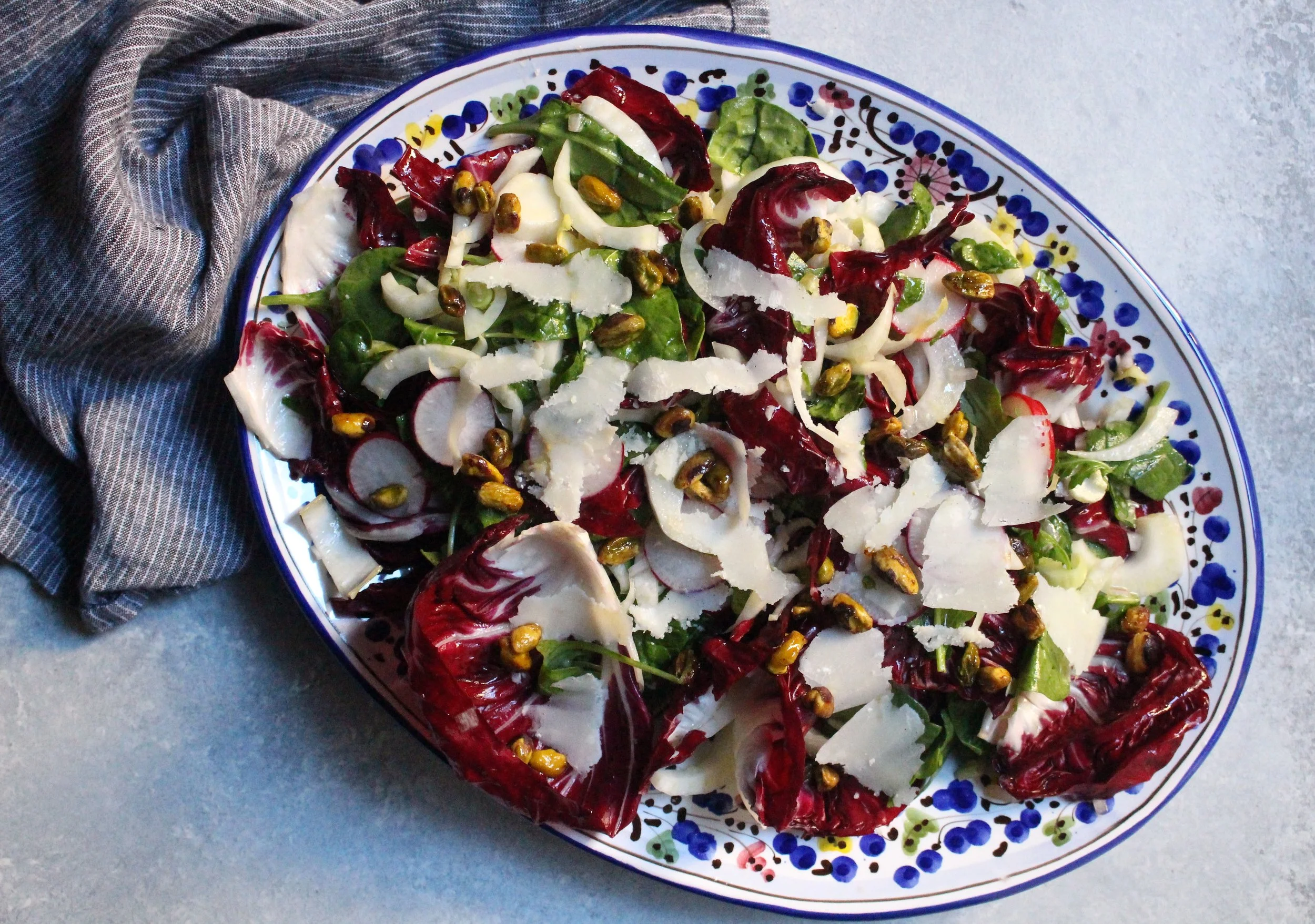
At Love With Recipes, we believe that a truly exceptional salad balances freshness, flavor, texture, and visual appeal. The Baby Arugula, Endive, and Radicchio Salad exemplifies this philosophy perfectly. This vibrant, healthy dish combines tender peppery baby arugula with crunchy, slightly bitter endive, and boldly colored radicchio to create a harmonious blend of flavors and textures. It is a quintessential Mediterranean-inspired salad, drawing on the region’s love for bitter greens and simple, high-quality ingredients. Whether you’re seeking a light lunch, a side dish for a dinner gathering, or a refreshing starter, this salad delivers complexity and elegance without the need for complicated techniques or obscure ingredients.
This comprehensive guide aims to cover every aspect of preparing, serving, and enhancing this salad. From detailed ingredient breakdowns, step-by-step instructions, nutritional insights, to tips for customization and storage, our goal is to ensure you craft a salad that not only satisfies the palate but also nourishes your body and enriches your culinary knowledge. Let’s dive into the world of greens, bitterness, and vibrant colors, and discover how this simple yet sophisticated salad can elevate your meal repertoire.

Time
Preparation Time: approximately 15 to 20 minutes
Active cooking time: minimal, primarily washing, chopping, and assembling
Ideal for quick meals or last-minute preparations, this salad emphasizes freshness and simplicity, making it perfect for spontaneous gatherings or healthy everyday eating.
Needed Equipment
- Salad spinner or large bowl with a fine mesh strainer – for washing and drying greens
- Sharp chef’s knife – for chopping and slicing vegetables and optional toppings
- Cutting board – a sturdy surface for preparing ingredients
- Mixing bowls – large for tossing the salad and smaller for preparing toppings or dressings
- Measuring spoons – for dressing ingredients, if making homemade vinaigrette
- Whisk or fork – to emulsify dressings
- Serving platter or individual salad plates – for presentation
- Optional: mandoline slicer – for thin, uniform slices of endive and radicchio
Tags
Fresh, Healthy, Vegetarian, Vegan (if dressings are plant-based), Low-Calorie, Quick & Easy, Mediterranean, Side Dish, Summer Salad, Low Sodium, High Vitamin K, Fiber-Rich
Serving Size
Approximately 1 cup (about 150 grams) per serving. Serves 4-6 people depending on portion size and whether it’s a main or side dish.
Difficulty Level
Easy. This salad requires minimal technical skills—mainly washing, tearing, chopping, and assembling. Suitable for beginner cooks and experienced chefs alike.
Allergen Information
- Gluten-free: Yes
- Nuts: Optional toppings such as toasted pine nuts or walnuts should be considered for allergy concerns
- Dairy: Optional cheese (e.g., Parmesan, feta), which can be omitted for vegan or dairy-free diets
- Vegan: Yes, if dressings and toppings are plant-based
Dietary Preference
- Vegetarian: Yes
- Vegan: Yes, with suitable dressing and toppings
- Pescatarian: Yes
- Keto: Suitable, especially if dressing is oil-based and carbs are kept minimal
- Gluten-Free: Yes
Course
Appetizer, Side Dish, Light Main Course (if paired with protein)
Cuisine
Mediterranean, Italian, Contemporary Healthy
Ingredients
Primary Greens
| Ingredient | Quantity | Notes |
|---|---|---|
| Baby Arugula | 4 cups (about 120 grams) | Fresh, tender leaves, washed and dried |
| Endive | 2 heads | Choose Belgian endive; wash thoroughly, and trim ends |
| Radicchio | 1 small head (about 1 cup chopped) | Red-leafed chicory, firm and fresh |
Optional Additions & Toppings
| Ingredient | Quantity | Notes |
|---|---|---|
| Cherry Tomatoes | 1 cup halved | Colorful, sweet, and juicy |
| Shaved Parmesan | ½ cup | For added richness and umami |
| Toasted Nuts (Pine Nuts or Walnuts) | ¼ cup | Add crunch and healthy fats |
| Fresh Herbs (Optional) | Chopped basil or parsley | For extra flavor |
Dressing Options
| Ingredient | Quantity | Notes |
|---|---|---|
| Balsamic Vinaigrette | ¼ cup | Homemade or store-bought, with olive oil, balsamic vinegar, Dijon mustard, salt, and pepper |
| Extra Virgin Olive Oil | 2 tbsp | Base of most dressings, rich in healthy monounsaturated fats |
| Balsamic Vinegar | 1 tbsp | Provides acidity and sweetness |
| Mustard (Dijon) | 1 tsp | Emulsifies and adds depth |
| Honey or Agave Syrup (Optional) | ½ tsp | Balances acidity with a touch of sweetness |
| Salt and Pepper | To taste | Freshly ground for best flavor |
Instructions
Step 1: Preparing the Greens
The foundation of any great salad starts with properly washed and dried greens. Begin by filling a large bowl with cold water. Gently submerge the baby arugula, endive, and radicchio, swishing them around to loosen any dirt or grit. Pay particular attention to the textured leaves, especially radicchio and endive, which can trap soil in their crevices. After washing, transfer the greens into a salad spinner or a clean kitchen towel to dry thoroughly. Excess moisture can dilute your dressing and make the greens soggy, so ensure they are as dry as possible before assembling the salad.
Step 2: Preparing the Vegetables and Optional Additions
While the greens dry, prepare your optional ingredients. If using cherry tomatoes, rinse them under cold running water, then halve or quarter them depending on size and preference. For cheese, such as Parmesan, use a sharp knife or a vegetable peeler to shave thin slices. Toast nuts in a dry skillet over medium heat, stirring frequently until golden and fragrant—this enhances their flavor and crunch. For herbs, rinse, dry thoroughly, and chop finely.
Step 3: Chopping and Assembling
Tear the baby arugula into manageable bite-sized pieces—this makes for easier eating and a more attractive presentation. Use a sharp knife to cut the endive and radicchio into thin strips or small bite-sized pieces. This not only makes the salad easier to toss but also ensures a uniform distribution of flavors. Place all prepared greens into a large mixing bowl, then add optional toppings such as cherry tomatoes, shaved cheese, and toasted nuts.
Step 4: Making the Dressing
A well-balanced vinaigrette elevates the salad tremendously. In a small bowl or jar, combine the balsamic vinegar, Dijon mustard, honey (if using), salt, and pepper. Slowly drizzle in the olive oil while whisking vigorously or shaking the jar to emulsify the dressing into a smooth, cohesive mixture. Taste and adjust seasoning as needed—more vinegar for acidity, more honey for sweetness, or salt and pepper for flavor balancing.
Step 5: Tossing and Serving
Pour the dressing over the assembled greens and toppings. Using salad tongs or two large spoons, gently toss the salad until all ingredients are evenly coated. Be careful not to overdress; start with half the dressing and add more as needed. Transfer the tossed salad onto individual plates or a large serving platter. Garnish with additional cheese, nuts, or herbs if desired. Serve immediately to enjoy the crisp textures and vibrant flavors at their peak.
Preparation Tips
- Always wash greens thoroughly to remove dirt and potential pesticides. A salad spinner is ideal for removing excess water, which helps dressings adhere better.
- Use high-quality, fresh ingredients for optimal flavor. Organic greens and ripe tomatoes can make a noticeable difference.
- For a more intense bitter flavor, let the greens sit with a splash of vinaigrette for 5-10 minutes before serving, allowing flavors to meld.
- If preparing ahead, store greens separately from the dressing and toppings. Dress just before serving to keep the greens crisp.
- Experiment with different nuts and cheeses to customize the flavor profile—try pecans, almonds, or crumbled goat cheese for variety.
Nutritional Information
| Nutrient | Per Serving (approx 150g) | Percentage of Daily Value |
|---|---|---|
| Calories | 10-20 kcal | – |
| Total Fat | 0.2-0.5g | 0% |
| Saturated Fat | 0g | – |
| Cholesterol | 0mg | – |
| Sodium | 5-10mg | 0% |
| Total Carbohydrates | 1-2g | 1% |
| Dietary Fiber | 0.5-1g | 2-4% |
| Sugars | 0.5-1g | – |
| Protein | 0.5-1g | – |
| Vitamin A | 20-30% DV | – |
| Vitamin K | 60-70% DV | – |
| Vitamin C | 10-15% DV | – |
| Folate | 5-10% DV | – |
| Potassium | 1-2% DV | – |
Tips and Tricks
- For a richer flavor, marinate the greens briefly in a small amount of vinaigrette before serving.
- Use a microplane to shave cheese thinly; this creates a more elegant presentation and better flavor distribution.
- Toast nuts in a dry skillet to bring out their aroma and enhance crunch. Be attentive to avoid burning.
- Vary the greens seasonally—add fresh herbs or seasonal vegetables like radishes or thinly sliced fennel for variation.
- Adjust dressing acidity by adding more vinegar or lemon juice if desired, balancing the bitter greens.
Add-ons
- Grilled chicken or shrimp for a substantial main course
- Hard-boiled eggs for added protein and creaminess
- Crumbled feta or blue cheese for tang and richness
- Fresh fruits such as pear slices or apple matchsticks for sweetness
Side Dishes
- Crusty artisan bread or baguette slices
- Roasted vegetables like asparagus or zucchini
- Light pasta or grain bowls
- Cheese platter with assorted cheeses and charcuterie
Improvements and Variations
Experiment with different dressings such as lemon vinaigrette, honey mustard, or a tahini-based sauce. Incorporate seasonal ingredients like roasted beets, grilled peaches, or figs for a more complex flavor profile. For added protein, include cooked lentils or chickpeas. To elevate presentation, serve in a large glass bowl or on a rustic wooden board, garnished with edible flowers or microgreens.
Save and Store
Prepare greens and toppings separately. Store washed greens in a sealed container or bag lined with paper towels in the refrigerator for up to 2 days. Keep dressings refrigerated in airtight jars; shake well before use. Assemble and toss the salad just prior to serving to maintain freshness and crunch.
Leftover salad with dressing can be stored in an airtight container for up to 24 hours but should be consumed promptly to enjoy optimal texture.
FAQ
Can I make this salad ahead of time?
Yes, but it’s best to prepare the greens, toppings, and dressing separately and assemble just before serving to maintain crispness and freshness.
Can I substitute the greens?
Absolutely. Kale, spinach, or mixed greens work well depending on your preference. Just be aware that different greens have varying textures and flavors that will change the overall profile.
What dressings pair best with this salad?
Balsamic vinaigrette, lemon vinaigrette, or a simple olive oil and lemon juice combination complement the bitterness of the greens beautifully. Avoid overly sweet dressings, which can clash with the natural flavors.
Is this salad suitable for a vegan diet?
Yes, if you omit cheese or replace it with vegan cheese and use a plant-based dressing.
Conclusion
This Baby Arugula, Endive, and Radicchio Salad stands out as a quintessential example of how simple ingredients, when thoughtfully combined, can create a dish full of complexity and visual appeal. Its balance of peppery, bitter, and crisp elements makes it versatile enough to serve as a light main or a sophisticated side. The recipe’s flexibility allows for endless customization, making it a staple in any health-conscious or flavor-seeking kitchen. At Love With Recipes, we encourage you to experiment with variations, incorporate seasonal ingredients, and tailor the salad to your taste and dietary needs. Embrace the freshness, enjoy the vibrant colors, and relish every bite of this delightful greens medley.
References
1. Italian Food Forever – Endive Salad
2. Cook’s Illustrated – Basic Balsamic Vinaigrette