

Introduction
Embark on a culinary journey to the southern reaches of India with this authentic Chettinad Dry Pepper Chicken recipe, a signature dish that exemplifies the rich, bold, and aromatic flavors characteristic of Chettinad cuisine. Known for its complex spice blends and intense flavors, Chettinad cuisine is a celebration of spices, textures, and traditional cooking techniques that have been passed down through generations. This dry pepper chicken is a perfect representation of the cuisine’s essence, combining the pungency of black pepper with a medley of fragrant spices to create a dish that is both fiery and deeply flavorful.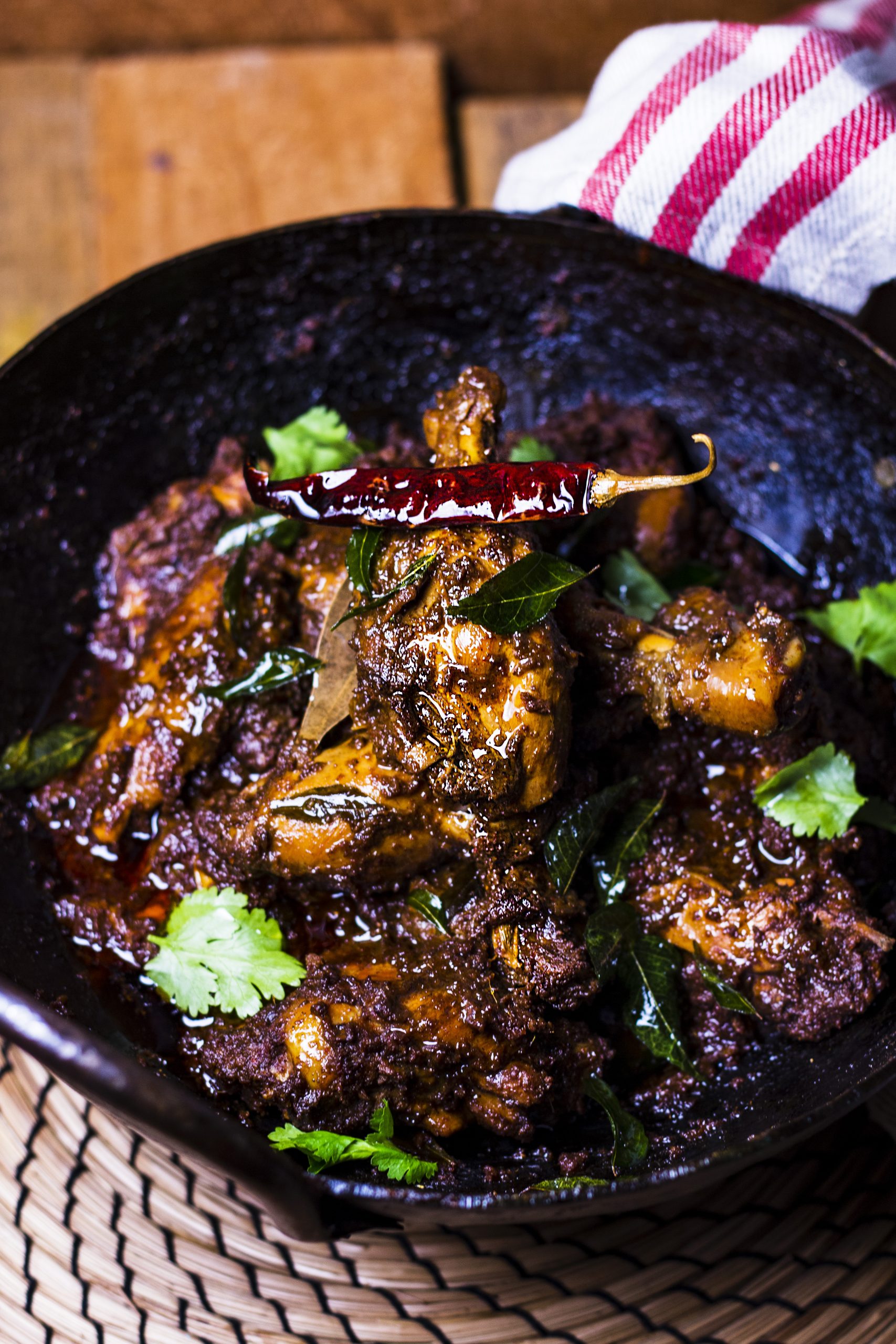
At Love With Recipes, we aim to bring you recipes rooted in tradition, yet adaptable to modern kitchens. This dish is ideal for spice lovers and those seeking an authentic taste of South Indian culinary artistry. Whether served as an appetizer or part of a main course with rice, dosa, or chapati, this recipe promises a satisfying and memorable experience. The preparation involves marinating, sautéing, and simmering, ensuring each ingredient contributes to a harmonious blend of flavors that will tantalize your palate and impress your guests.

Time
Total preparation and cooking time: approximately 40 minutes.
- Preparation Time: 10 minutes
- Cooking Time: 30 minutes
Needed Equipment
To achieve the best results, gather the following equipment before starting:
- Cutting Board: For chopping onions, tomatoes, and herbs.
- Chef’s Knife: Sharp and sturdy for chopping and slicing.
- Measuring Spoons and Cups: For precise measurement of spices and liquids.
- Mixing Bowls: For marinating the chicken and preparing spice blends.
- Large Skillet or Wok: For sautéing and cooking the chicken evenly.
- Spatula or Wooden Spoon: For stirring and mixing ingredients during cooking.
- Grater or Microplane: If you prefer to grate fresh ginger or garlic.
- Cooking Stove or Induction Cooktop: The heat source for preparing the dish.
- Serving Dishes: For presentation and serving.
Tags
Spicy, Aromatic, South Indian, Chettinad, Chicken, Dry, Authentic, Traditional, Indian Cuisine, Protein-Rich, Non-Vegetarian, Gluten-Free, Dairy-Free (if no dairy added), Quick
Serving Size
Serves: 4 servings
Difficulty Level
Intermediate — requires familiarity with basic cooking techniques like sautéing, marinating, and spice blending, but accessible for home cooks ready to explore authentic regional flavors.
Allergen Information
This recipe contains:
- Chicken: A common poultry allergen.
- Spices: Such as cumin, coriander, and fennel, which are generally safe but may cause reactions in sensitive individuals.
It is naturally gluten-free and dairy-free unless added otherwise. For specific allergies, always check spice purity and ingredient labels.
Dietary Preference
Non-Vegetarian, High Protein, Gluten-Free (if prepared without wheat-based accompaniments), Dairy-Free (if no dairy is added). Suitable for low-carb diets if served without rice or bread.
Course
Main Course / Appetizer – versatile enough to serve as a flavorful centerpiece or a spicy starter.
Cuisine
South Indian, Chettinad
Ingredients
| Ingredient | Quantity |
|---|---|
| Chicken (boneless or bone-in, skinless preferred) | 500 grams (about 1.1 pounds) |
| Onion, finely chopped | 1 large (about 150 grams) |
| Tomato, finely chopped | 1 medium (about 100 grams) |
| Curry leaves | 2 sprigs (about 10 leaves) |
| Ginger garlic paste | 1 tablespoon (about 15 grams) |
| Turmeric powder | 1/2 teaspoon (about 2 grams) |
| Cumin powder | 1 teaspoon (about 2 grams) |
| Coriander powder | 1 tablespoon (about 6 grams) |
| Fennel powder | 1 teaspoon (about 2 grams) |
| Black pepper powder | 2 1/2 tablespoons (about 12 grams) |
| Salt | To taste |
| Water | As needed (approx. 1/4 cup) |
| Oil (vegetable, mustard, or coconut oil) | 3-4 tablespoons (about 45 ml) |
| Fresh coriander leaves | For garnish |
Instructions
1. Preparing the Chicken
Begin by thoroughly washing the chicken under cold running water to remove any residual blood, bone fragments, or impurities. Pat the chicken dry with paper towels, ensuring the meat is as dry as possible to facilitate even marination and cooking. If using bone-in chicken, consider cutting it into bite-sized pieces, approximately 1 to 1.5 inches in size, to ensure even cooking and better absorption of flavors.
In a mixing bowl, combine the chicken pieces with half of the turmeric powder (1/4 teaspoon) and a splash of water—just enough to coat the chicken lightly. Mix thoroughly to distribute the turmeric evenly, which helps tenderize the meat and imparts a subtle flavor. Let this marinate for approximately 10 minutes. This step is crucial as it tenderizes the chicken and enhances flavor absorption. After the marination time, discard the water used for marinating, as it may contain impurities or excess turmeric, and proceed to season the chicken with salt, mixing well to ensure even coverage. Keep the seasoned chicken aside while preparing the spice base.
2. Sautéing the Aromatics
Heat a large skillet or wok over medium heat, allowing it to reach an optimal temperature for sautéing. Add the oil—vegetable, mustard, or coconut oil are all excellent options depending on your flavor preference—and allow it to heat until shimmering. To test if the oil is hot enough, sprinkle a tiny bit of onion; if it sizzles immediately, the oil is ready.
Begin by adding the finely chopped onions to the hot oil. Use a spatula or wooden spoon to stir continuously, ensuring the onions are coated evenly with the oil. Sauté the onions until they turn translucent and soft, about 4-5 minutes, stirring occasionally to prevent burning. During this process, the onions release moisture and begin to caramelize slightly, developing a sweet aroma that balances the spices to come.
3. Adding Ginger Garlic Paste
Next, add the ginger garlic paste to the sautéed onions. This paste is a staple in Indian cooking, providing a pungent, aromatic base. Stir it into the onions, and cook for approximately 2 minutes, allowing the raw smell to dissipate and the mixture to become fragrant. Keep stirring to prevent sticking or burning. The ginger and garlic will become slightly golden, enhancing the overall depth of flavor.
4. Introducing Curry Leaves and Tomatoes
Add the fresh curry leaves to the pan, carefully placing them into the sizzling mixture. Sauté for about 1 minute, allowing the leaves to release their essential oils and aroma, which forms a key component of Chettinad flavors. The aromatic oils from curry leaves will infuse the dish with a distinctive South Indian touch.
Following this, add the chopped tomatoes. Stir well, and cook until they soften and release their juices, about 3-4 minutes. During this phase, the tomatoes will break down, and the mixture will start to thicken. The oil will begin to separate from the masala, indicating that the base is ready for the spices and chicken. This step is critical for creating a flavorful, slightly tangy foundation for the dish.
5. Cooking the Chicken
Introduce the marinated chicken pieces into the pan with the aromatic masala. Stir well to coat all pieces evenly with the onion-tomato base. Cook the chicken over medium heat for about 3-5 minutes, stirring occasionally to ensure even browning. The chicken will start to change color, and its juices will begin to release, which helps develop a deeper flavor.
At this stage, ensure the chicken is partially cooked but not overdone. The goal is to lock in the flavors while allowing the spices to penetrate the meat during the subsequent simmering phase.
6. Incorporating Spices
Sprinkle the cumin powder, fennel powder, coriander powder, and black pepper powder over the chicken. Use a spatula or spoon to stir everything thoroughly, ensuring the spices coat the chicken evenly. This step introduces the signature flavor profile of Chettinad cuisine—the pungency of black pepper combined with aromatic cumin, coriander, and fennel.
Cook the mixture for an additional 5 minutes, allowing the spices to toast slightly and release their essential oils, which amplifies their flavors. Stir frequently to prevent sticking or burning of the spices. The aroma at this stage should be intensely fragrant, hinting at the complex layers of flavor that will develop further.
7. Adding Water and Simmering
Pour approximately 1/4 cup of water into the skillet to deglaze, scraping the bottom to loosen any browned bits, which add depth to the dish. Stir everything together to evenly distribute the moisture. Cover the skillet with a lid or keep it uncovered for a dry texture, depending on your preference.
Let the dish simmer on low to medium heat for about 3-4 minutes. This allows the chicken to cook through completely, absorb the spices, and develop a rich, intense flavor profile. Be attentive during this phase; if the mixture begins to stick, add a splash more water or oil as needed.
8. Garnishing and Serving
Once the chicken is cooked and the flavors have melded beautifully, turn off the heat. Garnish with freshly chopped coriander leaves, which add a fresh herbal note and vibrant color. Serve hot with steamed rice, dosa, or chapati for a complete meal that showcases the bold, aromatic essence of Chettinad cuisine.
Preparation Tips
- Marination: Marinate the chicken with turmeric and salt early to tenderize and infuse flavor. For a more intense flavor, marinate for up to 30 minutes.
- Spice Freshness: Use freshly ground spices where possible for maximum aroma and flavor. Store spices in airtight containers away from heat and light.
- Adjusting Spice Levels: Increase or decrease black pepper according to heat preference. Red chili powder can be added for extra heat or color.
- Cooking Technique: Sauté onions and spices slowly to develop depth of flavor; avoid rushing this process.
- Serving Suggestions: Pair with basmati rice, appam, or traditional South Indian bread for an authentic experience.
Nutritional Information
| Nutrient | Amount per Serving |
|---|---|
| Calories | 250-300 kcal |
| Protein | 30 grams |
| Carbohydrates | 10 grams |
| Fats | 12 grams |
| Fiber | 3 grams |
| Sodium | Approximately 500 mg |
Tips and Tricks
- Enhance Flavor: Toast whole spices like cumin seeds, fennel seeds, and coriander seeds before grinding for a more aromatic spice blend.
- Spice Variations: Incorporate a pinch of cinnamon or cloves for nuanced warmth, though traditional Chettinad recipes focus on pepper and fennel.
- Texture Adjustment: For a drier, crunchier dish, reduce water and cook longer until the oil separates fully, giving a more intense dry fry experience.
- Heat Control: Add red chili powder cautiously to avoid overpowering the authentic flavor profile of black pepper.
- Presentation: Garnish with fresh coriander and a squeeze of lemon for added freshness and brightness.
Add-ons and Variations
- Vegetable Additions: Incorporate sliced green chilies, bell peppers, or peas for variation and added nutrition.
- Creamy Version: Add a tablespoon of coconut milk or cream at the end for a richer, creamier texture.
- Spice Powder: Prepare a custom spice blend with roasted spices for a personalized touch.
Side Dishes
This spicy Chettinad chicken pairs exquisitely with:
- Steamed Basmati Rice
- South Indian Dosas or Appams
- Chapati or Paratha
- Rasam or Sambar as a complementary gravy
Improvements
- Use fresh, high-quality spices to maximize aroma and flavor.
- Experiment with different cuts of chicken for varied textures—thighs, breasts, or drumsticks.
- Adjust spice levels for family-friendly versions or extra fiery heat for spice lovers.
- Consider slow-cooking the chicken for enhanced tenderness and depth of flavor.
Save and Store
Leftover Chettinad Dry Pepper Chicken can be stored in an airtight container in the refrigerator for up to 2 days. Reheat gently on the stovetop or microwave, adding a splash of water or oil if necessary to revive the moisture. For longer storage, freeze in portions for up to 1 month. To reheat, thaw in the refrigerator overnight and warm thoroughly before serving.
FAQ
Can I make this dish vegetarian?
While traditionally made with chicken, you can substitute chicken with paneer, tofu, or vegetables like mushrooms or cauliflower for a vegetarian version that still captures the bold flavors of Chettinad.
Can I reduce the spice level?
Absolutely. Lower the amount of black pepper or red chili powder to suit your taste. Keep in mind that reducing black pepper will diminish the dish’s authentic spicy punch.
Is this dish gluten-free?
Yes, provided no wheat-based ingredients are added. Always check spice packet labels for gluten content if purchasing pre-ground spices.
How can I make it milder for kids?
Reduce or omit the black pepper and red chili powders, and perhaps add a splash of coconut milk to mellow the heat and add creaminess.
Conclusion
This Chettinad Dry Pepper Chicken is a testament to the vibrant, spicy heritage of South Indian cuisine, offering a perfect balance of heat, aroma, and flavor complexity. It is a dish that not only satisfies the palate but also provides a glimpse into the culinary traditions of the Chettinad region. Whether you’re preparing a special meal or exploring regional Indian flavors, this recipe is sure to become a favorite in your collection. Remember to source fresh spices and quality chicken to make the most of this authentic experience. As always, Love With Recipes encourages you to adapt and personalize recipes to your taste, ensuring every meal is a reflection of your culinary journey.