

 Introduction
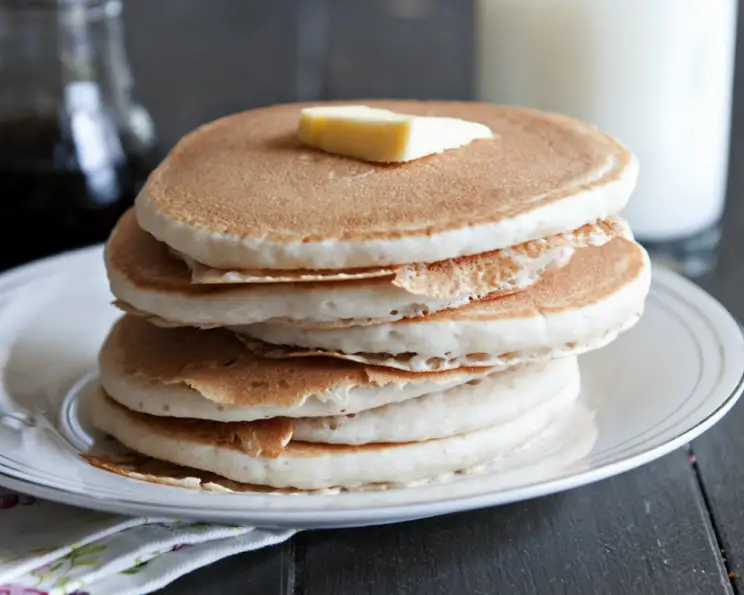
Embarking on the journey to perfect the art of fluffy pancakes is a worthwhile endeavor for any culinary enthusiast or home cook. Fluffy pancakes, with their light, airy texture and golden-brown exterior, have become a universal breakfast favorite, transcending cultural boundaries and appealing to all age groups. This recipe, sourced from the esteemed Love With Recipes platform, is designed to elevate your breakfast experience by providing a foolproof method to achieve restaurant-quality pancakes in the comfort of your own kitchen. The secret lies in the precise balance of ingredients, the methodical mixing process, and the correct cooking technique that preserves the delicate airiness of the batter.
In this comprehensive guide, we will not only explore every facet of making perfect fluffy pancakes but also delve into the science behind their rise, offer numerous tips for customization, and suggest ways to incorporate nutritional enhancements and flavor variations. Whether you’re a novice cook or a seasoned chef, this recipe will serve as a reliable foundation for creating irresistibly fluffy pancakes that can be tailored to suit any palate or dietary need.

Time
Preparation Time
Approximately 5 minutes. This includes gathering ingredients, measuring, and mixing the batter. The process is swift, making it ideal for spontaneous breakfast cravings or weekend brunch preparations.
Cooking Time
Approximately 10 minutes. Cooking each batch requires attentive timing to ensure pancakes are golden and fluffy without burning. This phase involves monitoring heat levels and flipping at the right moment.
Total Time
Approximately 15 minutes from start to finish. This rapid turnaround makes these pancakes suitable for busy mornings or when entertaining guests without extensive prep work.
Needed Equipment
- Mixing bowls: One medium-sized for dry ingredients, one small for wet ingredients.
- Measuring cups and spoons: Essential for accuracy in ingredient proportions.
- Whisk: To blend wet ingredients thoroughly and avoid lumps.
- Rubber spatula: For gently folding wet into dry ingredients and scraping bowls.
- Non-stick skillet or griddle: Provides even heat distribution for uniform pancakes.
- Cooking spray or butter: For greasing the pan to prevent sticking and promote golden crust.
- Large ladle or measuring cup (1/2 cup capacity): To portion batter evenly.
- Spatula: For flipping pancakes with precision.
- Thermometer (optional): To measure pan temperature, ideally around 350°F (177°C).
- Plate or cooling rack: To transfer cooked pancakes and keep them warm or cool for freezing.
Tags
- Kid Friendly
- High in Protein
- < 15 Mins
- Stove Top
- Easy
- Breakfast
- Brunch
- Vegetarian
- Quick
Serving Size
Each serving comprises approximately one pancake, with the recipe yielding 12 pancakes in total. This makes enough for 4 to 6 people, assuming 2 pancakes per person. You can adjust portion sizes based on appetite or dietary needs.
Difficulty Level
Easy. This recipe requires basic culinary skills—measuring, mixing, and cooking. It is suitable for beginners and seasoned cooks alike, especially given the forgiving nature of pancake batter.
Allergen Information
| Allergen | Contains |
|---|---|
| Gluten | Yes (wheat flour) |
| Eggs | Yes |
| Dairy | Milk |
| Oil | Yes (canola, vegetable, or oil of choice) |
Dietary Preference
This recipe is suitable for lacto-vegetarians. For vegan adaptations, substitute plant-based milk (such as almond or soy milk) and flaxseed or chia seed eggs. For gluten-free options, use a certified gluten-free flour blend.
Course
Breakfast, Brunch
Cuisine
American, International
Ingredients
| Ingredient | Quantity | Notes |
|---|---|---|
| All-purpose flour | 1 cup | Can substitute with gluten-free flour blend for gluten-free pancakes |
| Sugar | 2 tablespoons | Adjust sweetness to taste; honey or maple syrup can be used as alternative sweeteners |
| Baking powder | 2 teaspoons | Leavening agent that creates rise; ensure it’s fresh for optimal fluffiness |
| Egg | 1 large | Provides structure and richness; for vegan version, use flaxseed or chia seed substitute |
| Milk | 1 cup | Whole, skim, or plant-based milk; warm milk can enhance rising |
| Oil | 2 tablespoons | Vegetable oil, canola, or melted butter for flavor |
Instructions
Step 1: Prepare the dry ingredients
Begin by sifting or whisking together the flour, sugar, and baking powder in a medium-sized mixing bowl. This process ensures that the leavening agents and sugar are evenly distributed throughout the flour, which is crucial for the pancakes to rise uniformly and achieve that signature fluffy texture. Sifting also aerates the flour, contributing to the lightness of the batter.
Step 2: Mix the wet ingredients
In a separate small bowl, whisk the egg vigorously until yolk and white are fully combined, creating a uniform yellow mixture. Add the milk and oil, and continue whisking until the mixture is smooth. This step ensures the wet ingredients are well incorporated, promoting a consistent batter that prevents lumps and facilitates an even rise during cooking.
Step 3: Combine wet and dry ingredients
Pour the wet mixture into the bowl of dry ingredients. Using a rubber spatula or wooden spoon, gently fold the ingredients together. Do not overmix; stir just until the batter is combined with a few small lumps remaining. Overmixing can develop gluten, making the pancakes dense and less fluffy. The key is to mix until the dry ingredients are just moistened.
Step 4: Preheat the pan
Place a non-stick skillet or griddle over medium heat. Test the temperature by sprinkling a few drops of water on the surface; if they sizzle and evaporate immediately, the pan is ready. Lightly grease the pan with a small amount of butter or cooking spray. The right heat is around 350°F (177°C); too hot, and the pancakes will burn outside before cooking through, too cold, and they will be flat and dense.
Step 5: Cook the pancakes
Using a 1/2 cup measuring cup, ladle batter onto the hot pan, spacing pancakes about 1 inch apart. Cook until bubbles form on the surface, and the edges start to look set—about 2-3 minutes. The bubbles indicate the batter is cooking through, and the edges firm up, making flipping easier. Do not press down on the batter; let the pancakes rise naturally.
Step 6: Flip and finish cooking
Carefully slide a spatula underneath each pancake and flip gently. Cook for an additional 1-2 minutes on the other side until golden brown and cooked through. The second side often takes less time; monitor carefully to prevent burning. For a perfect flip, wait until the surface shows bubbles and the edges are firm.
Step 7: Serve immediately
Transfer the cooked pancakes to a plate or cooling rack. Serve warm with your preferred toppings, such as pure maple syrup, fresh berries, whipped cream, or butter. For an extra touch of flavor, sprinkle powdered sugar or drizzle honey.
Preparation Tips
- Use fresh baking powder: Baking powder loses potency over time; test with a small amount in warm water before using. Fresh baking powder ensures optimal rising action.
- Temperature control: Maintain a consistent medium heat to ensure pancakes cook evenly without burning. Adjust heat as needed based on stove performance.
- Don’t overmix: Keep mixing minimal to preserve the batter’s airiness. Overmixing develops gluten, leading to dense pancakes.
- Rest the batter (optional): Letting the batter sit for 5 minutes allows the gluten to relax, resulting in even fluffier pancakes.
- Test the pan: Always check the pan temperature before cooking the entire batch to prevent sticking or uneven cooking.
Nutritional Information
| Nutrient | Per Serving (1 pancake) |
|---|---|
| Calories | 86.2 kcal |
| Fat | 3.5 g |
| Saturated Fat | 0.9 g |
| Cholesterol | 18.4 mg |
| Sodium | 197.7 mg |
| Carbohydrates | 11.6 g |
| Fiber | 0.3 g |
| Sugar | 2.1 g |
| Protein | 2.3 g |
Tips and Tricks
- Use buttermilk: For a tangy flavor and fluffier texture, substitute regular milk with buttermilk. It reacts with baking powder to enhance rise.
- Add flavorings: Mix in vanilla extract, cinnamon, or nutmeg into the wet ingredients for a flavor boost.
- Incorporate mix-ins: Blueberries, chocolate chips, or sliced bananas can be added to the batter for fun variations.
- Make ahead: Prepare the batter in advance and refrigerate for up to 24 hours. Stir gently before cooking.
- Freeze for later: Layer cooked pancakes with parchment paper and store in an airtight container. Reheat in the microwave or toaster for quick breakfasts.
Add-ons and Variations
- Vegan version: Use plant-based milk, flaxseed or chia seed egg replacer, and coconut oil.
- Gluten-free: Replace all-purpose flour with a gluten-free flour blend.
- Protein boost: Add a scoop of protein powder or Greek yogurt into the batter for added protein content.
- Flavor twists: Incorporate citrus zest, cocoa powder, or spices like cardamom for diverse flavor profiles.
Side Dishes
- Fresh fruit salad
- Yogurt parfaits
- Maple-glazed bacon
- Scrambled eggs with herbs
- Whipped cream and berries
Improvements
- Use a pancake batter with whipped egg whites folded in for extra fluffiness.
- Experiment with different oils such as coconut or avocado for unique flavors.
- Use a non-stick pan with a heavy base for even heat distribution and better browning.
- Serve with a variety of toppings for visual appeal and flavor complexity.
- Adjust the thickness of batter by adding more milk for thinner pancakes or more flour for thicker ones.
Save and Store
To extend the shelf life, store leftover pancakes in an airtight container in the refrigerator for up to 3 days. For longer storage, layer cooled pancakes with parchment paper in a freezer-safe zip-top bag and freeze for up to 2 months. Reheat in a toaster or oven for best results, or microwave for a quick warm-up. Reheating may slightly alter texture but maintains flavor and convenience.
FAQ
Can I make pancake batter in advance?
Yes, you can prepare the batter up to 24 hours in advance. Keep it refrigerated and stir gently before cooking to restore consistency.
Why are my pancakes dense?
This usually results from overmixing the batter or cooking at too low a temperature. Ensuring proper mixing and correct heat will promote fluffiness.
What if I don’t have baking powder?
You can substitute with equivalent amounts of baking soda combined with an acid (such as lemon juice or vinegar). However, baking powder is preferred for ease and consistent rise.
How do I know when to flip the pancakes?
Look for bubbles forming on the surface, edges setting, and a slightly darker color underneath. When bubbles burst and leave holes, it’s time to flip.
Conclusion
This fluffy pancake recipe embodies simplicity, precision, and flexibility, making it a staple for breakfast tables across the globe. With minor adjustments and creative additions, you can customize these pancakes to suit any occasion, dietary restriction, or flavor preference. The secret to their success lies in the careful combination of ingredients, gentle mixing technique, and attentive cooking, which together produce a light, airy, and irresistibly delicious result. Whether enjoyed with classic maple syrup or topped with fresh berries, these pancakes promise a satisfying start to any day. Remember, the joy of cooking is in experimentation—so don’t hesitate to tweak and personalize this recipe to make it your own, all while trusting the foundational techniques outlined here. Happy pancake making!
For more such delightful recipes and culinary inspiration, visit Love With Recipes at lovewithrecipes.com.