Introduction
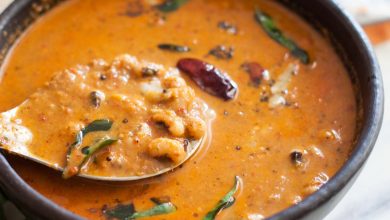
Muringakka Manga Mulakushyam, a quintessential dish from the vibrant culinary landscape of Kerala, epitomizes the harmonious blend of tangy, spicy, and creamy flavors that define South Indian vegetarian cuisine. This dish, often affectionately referred to as Mango & Drumstick Kootu Curry, showcases the culinary ingenuity of Kerala’s traditional kitchens, where the abundance of tropical produce and aromatic spices coalesce to create meals that are both nourishing and palate-pleasing. The key ingredients—tender drumsticks, unripe mango, and wholesome toor dal—are simmered in a coconut-based gravy infused with cumin, green chilies, and tempering spices, culminating in a dish that is rich in flavor, texture, and nutritional value. Whether served as a main course or as part of a festive feast, this curry embodies the essence of Kerala’s rustic yet refined culinary artistry and is a testament to the region’s emphasis on fresh, seasonal ingredients and simple, wholesome cooking techniques. As featured on Love With Recipes (lovewithrecipes.com), this recipe invites you to explore the authentic taste of Kerala, bringing a touch of its vibrant flavors to your dining table.

Time
- Preparation Time: 10 minutes
- Cooking Time: 35 minutes
- Total Time: 45 minutes
Needed Equipment
- Pressure cooker or heavy-bottomed pot
- Blender or food processor
- Measuring cups and spoons
- Cooking spoon or ladle
- Small frying pan or tadka pan
- Knife and chopping board
- Peeler
- Grater (for coconut)
- Stove or cooktop
- Serving bowls
- Mortar and pestle (optional, for spice grinding)
Tags
Vegetarian, Kerala Cuisine, Traditional, Vegan, Gluten-Free, Nut-Free, Spicy, Healthy, Comfort Food, Family-Friendly
Serving Size
Serves 4 people generously, with each serving approximately 1 cup of curry, making it suitable for a standard family meal or small gathering.
Difficulty Level
Intermediate — requires familiarity with basic Indian cooking techniques such as tempering and coconut paste preparation, but overall manageable with attentive timing and ingredient preparation.
Allergen Information
- Contains: Coconut, Urad Dal (split black gram), Mustard Seeds, Red Chilies
- Potential cross-contamination: Depends on kitchen practices
Dietary Preference
Vegetarian, Vegan (if coconut oil is used), Dairy-Free, Nut-Free, Plant-Based
Course
Main Course
Cuisine
Kerala, South Indian
Ingredients
Ingredient Table
| Ingredient | Quantity | Description / Notes |
|---|---|---|
| Drumstick (Moringa) | 1 (about 1.5-inch pieces) | Fresh, tender drumsticks, sliced into manageable pieces |
| Raw Mango | 1 (peeled & cut into bite-sized pieces) | Unripe mango adds tanginess; select firm mangoes |
| Green Chili | 1 | For the paste, adjust quantity for spiciness |
| Water | 1 cup | For cooking dal; can adjust for consistency |
| Salt | To taste | Sea salt or table salt, as preferred |
| Arhar Dal (Split Toor Dal) | 1/2 cup | Soaked for 30 minutes prior to cooking |
| Turmeric Powder (Haldi) | 1/4 teaspoon | For flavor and color |
| Water for Cooking Dal | 2 cups | Additional water for pressure cooking |
| Fresh Coconut (grated) | 1/4 cup | Freshly grated for authentic flavor |
| Cumin Seeds (Jeera) | 1 teaspoon | For blending into the coconut paste |
| Green Chilies for Paste | 2 | Adjust for spice preference |
| Water for Grinding | 2-1/2 tablespoons | Used in coconut paste |
| Coconut Oil | 1-1/2 teaspoons | For tempering; adds authentic flavor |
| Mustard Seeds | 1/4 teaspoon | For tempering |
| White Urad Dal (split black gram) | 1/4 teaspoon | For tempering |
| Dry Red Chilies | 2 | For tempering; adjust to heat preference |
| Curry Leaves | 1 sprig | Fresh for aroma and flavor |
Instructions
Preparation of Ingredients
Begin by gathering all necessary ingredients, ensuring freshness and quality. Peel and cut the raw mango into bite-sized pieces, removing the seed if necessary. Slice the drumsticks into approximately 1.5-inch segments, ensuring uniformity to promote even cooking. Soak the toor dal in water for at least 30 minutes, which aids in softening and accelerates the cooking process. Prepare the coconut paste by adding grated coconut, green chilies, cumin seeds, and water into a blender or food processor. Blend until smooth, adding water gradually to achieve a fine, creamy consistency. Set aside the coconut paste for later use.
Cooking the Dal and Vegetables
In a pressure cooker or heavy-bottomed pot, combine the soaked toor dal, drumstick pieces, raw mango chunks, 2 cups of water, salt, and turmeric powder. Close the lid securely and cook over medium heat. If using a pressure cooker, cook for about 3-4 whistles or until the dal is soft and mushy. Allow the pressure to release naturally before opening. In a regular pot, simmer over low to medium heat, stirring occasionally, until the dal and vegetables are tender, approximately 25-30 minutes.
Preparing the Coconut Paste
While the dal cooks, prepare the coconut paste. Place grated coconut, green chilies, cumin seeds, and water into a blender. Blend thoroughly until a smooth, thick paste forms. This paste is the flavor foundation of the curry, so ensure it is well-blended for a silky texture. If the paste is too thick, add a little more water and blend again until smooth.
Combining and Simmering the Curry
Once the dal and vegetables are cooked, open the pressure cooker or remove the pot from heat. Add the prepared coconut paste to the cooked mixture and stir well to incorporate all flavors evenly. Place the mixture back on low heat and allow it to simmer gently for 3-4 minutes, stirring occasionally. If the curry appears too thick, add a splash of water to reach your desired consistency, which should be slightly thick but pourable.
Tempering (Tadka)
In a small frying pan, heat coconut oil over medium heat. Add mustard seeds and let them splutter. Once they crackle, add split urad dal, dry red chilies, and curry leaves. Sauté for about 10-15 seconds until the red chilies turn bright red and the curry leaves become fragrant. Be attentive during this process to prevent burning. Pour this tempering over the simmering curry, stirring gently to distribute the aromatic oil throughout the dish.
Final Adjustments and Serving
Taste the curry and adjust the salt if necessary. Let it sit for a minute to allow flavors to meld. Serve hot, accompanied by steamed rice or Kerala-style side dishes like Jowar Roti (Sorghum Flatbread) or stir-fried vegetables such as Ivy Gourd Stir-Fry (Dondakaya/Kovakkai Poriyal). Garnish with additional curry leaves if desired for presentation.
Preparation Tips
- Mango Adjustment: For a more tangy flavor, add extra raw mango, especially if you prefer a pronounced tartness. Conversely, reduce the mango quantity for milder flavor.
- Dal Cooking: Soaking the toor dal helps it cook uniformly and reduces cooking time. For a creamier texture, mash some of the cooked dal before adding to the curry.
- Coconut Paste: Ensure the paste is smooth to avoid gritty textures. Use a good quality blender and blend thoroughly. You can also strain the paste through a sieve for extra smoothness.
- Tempering Technique: Use fresh coconut oil and heat it just enough to infuse the flavors without burning the spices. Add the tempering at the end for maximum aroma and flavor.
- Consistency Control: Adjust water quantity during simmering to achieve your preferred thickness, keeping in mind that the curry should be slightly thick but not dry.
Nutritional Information
| Nutrient | Per Serving (Approximate) |
|---|---|
| Calories | 120 kcal |
| Protein | 5 g |
| Carbohydrates | 18 g |
| Fiber | 6 g |
| Fat | 3 g |
| Saturated Fat | 2 g |
| Sodium | Varies (based on salt added) |
| Potassium | 210 mg |
| Vitamin C | 18 mg |
| Calcium | 30 mg |
| Iron | 1.1 mg |
Tips and Tricks
- Use Fresh Ingredients: Fresh coconut and vegetables yield the best flavor and texture. Frozen or dried alternatives may alter the authentic taste.
- Control Spice Levels: Adjust green chilies and red chilies according to your heat preference. Always taste the coconut paste before adding to the curry.
- Enhance Aroma: Adding a small piece of tamarind or a pinch of asafoetida (hing) can deepen the flavor profile, though traditional recipes often omit these.
- Make-Ahead: The curry tastes even better the next day as flavors meld. Store in an airtight container in the refrigerator for up to 2 days.
- Freezing: Cool the curry completely before freezing in portions. Reheat gently on low heat, adding a splash of water if needed.
Add-ons and Variations
- Protein Additions: For non-vegetarians, a dash of cooked shrimp or pieces of fish can complement the curry.
- Extra Vegetables: Incorporate other seasonal vegetables like carrots or beans for added nutrition.
- Spice Variations: Add a teaspoon of garam masala or coriander powder for a different flavor twist.
Side Dishes
- Steamed Basmati or Kerala Matta Rice
- Jowar Roti (Sorghum Flatbread)
- Ivy Gourd Stir-Fry (Dondakaya/Kovakkai Poriyal)
- Vegetable Sambar or Rasam for a complete South Indian meal
- Pickles and Coconut Chutney for added flavor
Improvements and Variations
- Thick Curry: To make the curry thicker, mash a portion of the cooked dal before adding the coconut paste. This enhances creaminess and body.
- Light Version: Reduce oil and coconut content for a healthier option, substituting with more vegetables or water.
- Flavor Boost: Toast cumin seeds and dry red chilies before blending to intensify aroma.
Save and Store
Allow the curry to cool completely before transferring it to airtight containers. Store in the refrigerator for up to 2 days for best freshness. For longer storage, portion into freezer-safe containers and freeze for up to 1 month. Reheat gently on the stove, adding a splash of water to restore the desired consistency. Always reheat thoroughly before serving to ensure safety and optimal flavor.
FAQ
Can I use dried coconut instead of fresh?
Using dried coconut is possible but may alter the authentic flavor. If using dried, rehydrate in warm water and blend thoroughly to mimic fresh coconut’s creaminess.
Is this dish suitable for vegan diets?
Yes, as long as coconut oil is used for tempering. It is naturally vegan and plant-based.
Can I make this curry gluten-free?
Absolutely. All ingredients are naturally gluten-free; just ensure that the spices and lentils are processed in gluten-free facilities if sensitivities exist.
What adjustments can I make for a milder or spicier curry?
Adjust the number of green chilies and dry red chilies accordingly. For milder flavor, reduce or omit the chilies; for spicier, increase the quantity or add a pinch of cayenne pepper.
How do I ensure the coconut paste remains smooth?
Blend thoroughly and strain through a fine sieve if necessary. Using a high-speed blender helps achieve a silky, smooth texture.
Conclusion
Muringakka Manga Mulakushyam encapsulates the vibrant, wholesome essence of Kerala’s culinary traditions. This dish’s perfect balance of tangy mango, fragrant coconut, and hearty vegetables offers a delightful experience for the senses and a nutritious addition to any vegetarian repertoire. Its simplicity and depth of flavor make it a versatile recipe suitable for everyday meals or special occasions. By mastering the techniques of preparing the coconut paste, tempering, and controlling consistency, home cooks can recreate an authentic Kerala delicacy that truly satisfies. Whether served alongside traditional rice and side dishes or integrated into a broader South Indian feast, this curry promises comfort, nourishment, and a taste of Kerala’s rich culinary heritage. As always, the love and care poured into each step elevate this dish from mere sustenance to a memorable culinary experience, perfect for sharing with family and friends. Remember to explore variations and incorporate seasonal ingredients to tailor the dish to your taste and dietary needs.
Enjoy cooking and relishing this authentic Kerala Mango and Drumstick Curry, and don’t forget to visit Love With Recipes for more traditional and innovative culinary delights!
References
- Kerala Cuisine: Traditional Recipes and Cooking Techniques by S. R. Radhakrishnan
- The South Indian Cookbook: Classic Recipes from Tamil Nadu, Kerala, Karnataka, Andhra Pradesh, and Telangana by C.S. Rathore