

 Introduction
In the realm of health-conscious beverages, few drinks balance taste, tradition, and nutritional benefits as seamlessly as Wheat Grass Shikanji. Originating from the vibrant culinary landscape of India, this revitalizing drink combines the detoxifying properties of wheat grass with the tangy zest of lemon, infused with aromatic spices that elevate its flavor profile. Whether you seek a refreshing morning tonic, a cooling beverage during scorching summer days, or a health-boosting sip to invigorate your body, Wheat Grass Shikanji offers a versatile solution that aligns with modern wellness trends while honoring age-old culinary practices.
This comprehensive guide, brought to you by Love With Recipes, aims to elevate your understanding of this nourishing beverage. From ingredient selection to detailed preparation techniques, nutritional insights, and creative variations, you’ll discover the depth of this simple yet potent drink. Embark on a journey that marries tradition with modern nutritional science, transforming your hydration habits into a wellness ritual that supports your body’s natural detoxification and immune function.

Time
- Preparation Time: 10 minutes
- Cooking Time: 20 minutes (primarily for boiling water and prepping ingredients)
- Total Time: Approximately 30 minutes
Needed Equipment
- Blender or Food Processor – Essential for pureeing wheat grass and blending ingredients thoroughly
- Fine Mesh Strainer or Muslin Cloth – For straining the blended mixture to extract clear juice
- Large Saucepan – To boil water and prepare any additional flavor infusions
- Measuring Spoons – For accurate measurement of spices and seasonings
- Juicer – For extracting fresh lemon juice with minimal pulp
- Cutting Board and Sharp Knife – To chop wheat grass and other fresh ingredients
- Mixing Bowls – For combining and stirring ingredients
- Serving Pitchers or Glasses – To serve the finished beverage
- Grater or Zester (optional) – To add fresh ginger or lemon zest for enhanced flavor
- Thermometer (optional) – To monitor water temperature during boiling for precision
Tags
- #HealthyDrinks
- #IndianBeverages
- #DetoxDrink
- #Vegan
- #Vegetarian
- #Refreshing
- #Lemonade
- #WheatGrass
- #NaturalHealing
Serving Size
Approximately 250 milliliters (1 cup) per serving. The recipe yields about three servings, making it an ideal choice for small gatherings, family health routines, or personal consumption throughout the day.
Difficulty Level
Easy – This recipe involves straightforward steps that require minimal culinary expertise. Suitable for beginners and seasoned cooks alike, with emphasis on proper ingredient preparation and blending techniques.
Allergen Information
- Contains wheat grass, which may not be suitable for those with gluten sensitivities or wheat allergies.
- No nuts, dairy, or soy ingredients used in the standard recipe.
- Ensure lemon and spices are fresh to prevent allergic reactions.
Dietary Preference
- Vegetarian – No animal products involved.
- Vegan – Suitable when no honey or dairy is added.
- Gluten-Free – Provided wheat grass is sourced from gluten-free certified suppliers.
Course
Snack / Beverage
Cuisine
Indian
Ingredients
| Ingredient | Quantity |
|---|---|
| Wheat Grass Powder | 50 grams (approximately 1/3 cup) |
| Black Pepper Powder | 1/2 teaspoon |
| Black Salt (Kala Namak) | To taste (about 1/4 teaspoon or as preferred) |
| Cumin Powder (Jeera) | 1 teaspoon |
| Lemon | 1, juiced (about 2-3 tablespoons) |
| Ginger (optional) | Small piece (about 1-inch, peeled and chopped) |
| Boiled Water | 2 cups (for blending and dilution) |
Instructions
Step 1: Preparation of Wheat Grass
The initial step involves meticulous preparation of wheat grass, which is crucial for extracting maximum nutrients and ensuring the drink’s purity. Begin by selecting fresh, vibrant wheat grass stalks. If using fresh wheat grass from a local farmer or grocery store, rinse it thoroughly under cold running water. This process helps remove dirt, pesticides, or any residual soil particles that may cling to the blades of grass.
Submerge the wheat grass in a bowl of cold water and let it soak for approximately 3-5 minutes. This soaking process softens any stubborn dirt and allows impurities to loosen, making the subsequent washing more effective. After soaking, transfer the wheat grass to a fine-mesh strainer or colander and rinse thoroughly under a gentle stream of cold water. Pay close attention to the base of the stalks and the leaves, ensuring all dirt is washed away.
Once washed, shake off excess water and drain thoroughly. To facilitate easier blending and extraction of juice, chop the wheat grass into small 1- to 2-inch pieces. This process increases the surface area, enabling the blender to process the grass more efficiently. Be cautious to handle the grass gently to prevent bruising, which can lead to oxidation and diminish nutritional content.
Step 2: Preparing the Boiled Water and Optional Ginger
While the primary purpose of boiling water in this recipe is to assist in blending and extracting juice, the addition of ginger enhances both flavor and health benefits. Bring 2 cups of water to a rolling boil in a saucepan. If using ginger, peel a small piece (about 1 inch) and chop it into thin slices or small chunks. Add the ginger to the boiling water and allow it to simmer gently for about 5 minutes. This infusion releases ginger’s bioactive compounds, such as gingerol, which possess anti-inflammatory and antioxidant properties.
After boiling, turn off the heat and let the ginger-infused water cool slightly until it reaches a temperature safe for blending (around 60°C or 140°F). This temperature preserves the nutrients in wheat grass without degrading sensitive compounds. Pour the water into a measuring jug or directly into the blender with the chopped wheat grass.
Step 3: Blending the Wheat Grass
Transfer the chopped wheat grass into the blender container. Pour the warm, ginger-infused water over the grass. Seal the lid tightly and blend on high speed for about 1-2 minutes. The goal is to achieve a smooth, bright green mixture with no visible chunks. If you notice the mixture is too thick or not blending smoothly, add a little more warm water gradually until you reach the desired consistency.
Throughout the blending process, ensure the mixture has a vibrant green hue, indicating a rich extraction of chlorophyll and other nutrients. The intensity of the color can vary depending on the freshness and quality of the wheat grass, but a bright, lively green is ideal.
Step 4: Straining the Mixture
Once blended thoroughly, pour the mixture through a fine mesh strainer or muslin cloth placed over a large bowl or pitcher. Use the back of a spoon or a spatula to press gently, extracting as much juice as possible. This step separates the fibrous pulp from the liquid, resulting in a clear, invigorating wheat grass juice.
For a smoother texture, you can repeat the straining process or pass the juice through a second fine sieve. The pulp can be discarded or used in compost or as a fiber supplement in other recipes.
Step 5: Flavoring and Seasoning
Transfer the strained juice into a serving pitcher. Add freshly squeezed lemon juice—about 2 to 3 tablespoons, or the juice of one medium lemon—directly into the liquid. Lemon not only adds a delightful tang but also boosts the vitamin C content, enhancing the drink’s detoxifying effects.
Season the juice with black salt (Kala Namak), which provides a subtle sulfurous flavor characteristic of traditional Indian beverages, and adjust to taste. Incorporate the black pepper powder and cumin powder, stirring well to evenly distribute the spices and flavorings.
For an extra layer of flavor, consider adding a pinch of fresh grated ginger or lemon zest. Stir vigorously to ensure all seasonings are well incorporated.
Step 6: Serving and Consumption
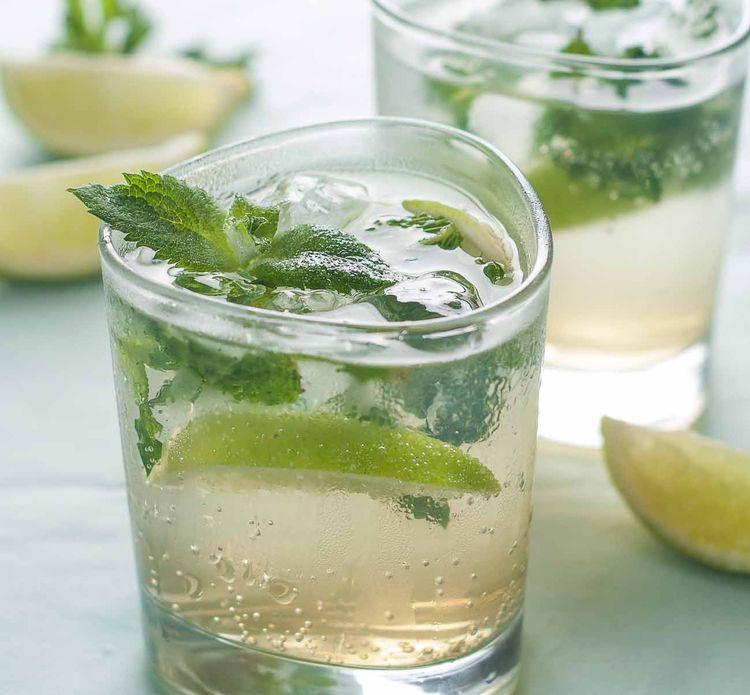
Serve the Wheat Grass Shikanji immediately for optimal freshness and nutrient retention. Pour into individual glasses, optionally garnished with a thin lemon wedge or a sprig of mint for visual appeal. This beverage can be enjoyed straight away or chilled further in the refrigerator for 15-30 minutes for a more refreshing experience.
For best health benefits, consume on an empty stomach first thing in the morning. This allows your body to absorb the nutrients effectively and kickstart detoxification processes. Alternatively, it can serve as a revitalizing mid-day or evening drink, especially when paired with light snacks like healthy chaat or baked snacks.
Preparation Tips
- Freshness is Key: Always opt for fresh, organic wheat grass if available. Fresh grass contains higher levels of chlorophyll, antioxidants, and enzymes, maximizing health benefits.
- Uniform Chopping: Small, uniform pieces of wheat grass facilitate even blending, resulting in a smoother juice without large fibrous chunks.
- Temperature Control: Avoid blending with boiling hot water directly, as it can degrade sensitive nutrients. Use warm water that has cooled slightly after boiling.
- Flavor Adjustments: Customize the spice levels according to your taste. More black salt or pepper can be added for a stronger flavor, while lemon can be increased for tanginess.
- Storage: Freshly prepared Wheat Grass Shikanji is best consumed immediately. If needed, store in an airtight container in the refrigerator for up to 12 hours, shaking or stirring before serving to redistribute flavors.
Nutritional Information
| Nutrient | Amount per Serving |
|---|---|
| Calories | Approximately 30 kcal |
| Protein | 1 g |
| Carbohydrates | 7 g |
| Dietary Fiber | 2 g |
| Fat | 0 g |
| Vitamin C | 20% of Daily Value |
| Calcium | 4% of Daily Value |
| Iron | 5% of Daily Value |
Tips and Tricks
- Use Organic Ingredients: To maximize health benefits and avoid pesticides, select organic wheat grass, lemon, and spices whenever possible.
- Incorporate Superfoods: Add a teaspoon of spirulina or chlorella powder for an extra antioxidant boost.
- Adjust Spice Levels: For a milder flavor, reduce black pepper and cumin; for a more intense flavor, increase accordingly.
- Enhance with Herbs: Garnish with fresh mint leaves or coriander for added freshness and flavor complexity.
- Opt for Cold Water for Blending: Using slightly cooled water helps preserve delicate nutrients and prevents oxidation.
Add-ons and Variations
- Honey or Agave Syrup: For a touch of sweetness, add a teaspoon of honey or agave syrup, especially if you prefer a less tangy flavor.
- Ginger Infusion: Increase or decrease ginger quantity based on spice preference, or add fresh grated ginger for an intense zing.
- Mint or Basil: Add a handful of fresh herbs during blending for aromatic variations.
- Coconut Water: Replace some or all of the boiled water with coconut water for added electrolytes and tropical flavor.
- Chia Seeds: Sprinkle soaked chia seeds on top before serving for added fiber and omega-3 fatty acids.
Side Dishes
Complement the Wheat Grass Shikanji with light Indian snacks such as:
- Kala Chana Chaat – Spicy chickpea salad with onion, tomatoes, and lemon
- Baked Mathri – Savory flaky crackers with spices
- Roasted Papad – Thin, crispy lentil wafers with a hint of spice
- Fresh Fruit Chaat – Mix of seasonal fruits with a pinch of chaat masala
Improvements and Variations
- Sweetened Version: Incorporate natural sweeteners like honey, maple syrup, or stevia to cater to those with a sweet tooth.
- Herbal Infusions: Experiment with herbs such as mint, coriander, or basil to create flavor profiles that suit personal preferences.
- Ice Blended: For a cooling summer treat, blend the juice with ice cubes to create a frosty, smoothie-like beverage.
- Enhanced Detox: Add a teaspoon of activated charcoal or turmeric powder for additional detoxification and anti-inflammatory benefits.
Save and Store
Freshly made Wheat Grass Shikanji is best enjoyed immediately to retain maximum nutrients. If you need to store leftovers, transfer the juice to an airtight glass bottle or container. Seal tightly and refrigerate for up to 12 hours. Shake or stir well before serving, as some sediment may settle at the bottom.
For longer storage, consider freezing the juice in ice cube trays and thawing portions as needed, which allows for convenient and fresh servings over several days.
FAQ
Can I use fresh wheat grass instead of powder?
Absolutely. Fresh wheat grass can be juiced directly using a juicer or by blending with water and straining. The nutritional profile remains high, but ensure it is thoroughly washed and chopped into manageable pieces.
Is wheat grass Shikanji suitable for children?
Yes, in moderation. However, due to its strong flavor and potent nutrients, start with smaller quantities and adjust based on the child’s taste preferences and dietary needs. Always consult a healthcare professional if unsure.
Can I add sweeteners or sugar?
While traditional Shikanji is tangy and savory, you can add natural sweeteners like honey or stevia for a sweeter profile. Avoid refined sugars to keep the drink healthful.
Is this recipe gluten-free?
Yes, provided the wheat grass powder is sourced from gluten-free certified suppliers. Fresh wheat grass naturally does not contain gluten.
How often can I consume wheat grass juice?
For most individuals, 1-2 servings per day are beneficial. Consult with a healthcare provider before incorporating daily wheat grass juice into your diet, especially if you have underlying health conditions or are pregnant.
Conclusion
Wheat Grass Shikanji epitomizes the harmonious blend of health and taste, rooted deeply in Indian culinary traditions yet adaptable to modern wellness routines. Its vibrant green hue, invigorating citrus tang, and subtle spice notes make it a truly refreshing beverage that nourishes the body from within. By understanding the nuances of ingredient selection, preparation techniques, and nutritional benefits, you can transform this simple recipe into a staple of your health-conscious lifestyle. As you incorporate this energizing drink into your daily routine, remember that the key lies in freshness, moderation, and a willingness to experiment with flavors to suit your palate. Love With Recipes invites you to explore and enjoy this wholesome, revitalizing beverage that embodies wellness, tradition, and delightful taste in every sip.
References
- Indian Food and Cultural Traditions: An Overview. (2020). Journal of Culinary Arts.
- Health Benefits of Wheat Grass. (2022). Nutritional Science Review.