

Introduction
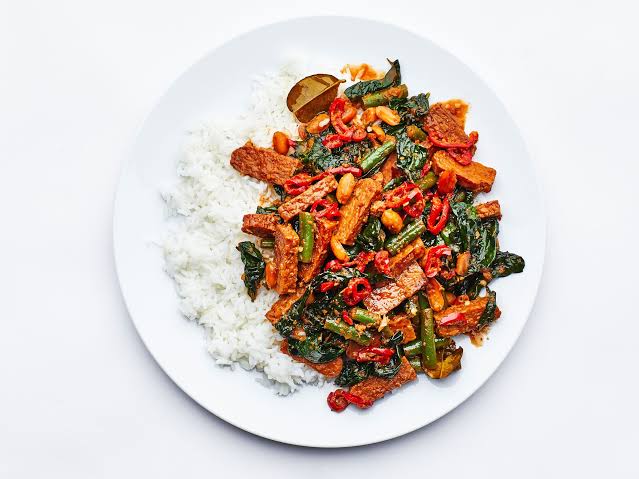
Sambal Tempe stands as a quintessential dish rooted deeply in Indonesian culinary traditions, celebrating the harmonious marriage of fermented soybeans with fiery, aromatic chili sambal. This dish is more than just a simple recipe; it embodies the vibrant culture and rich flavors of Indonesia, offering a tantalizing experience for both the palate and the senses. With its nutty undertones from the tempeh, balanced by the intense heat and pungency of sambal, this dish is a versatile addition to any meal, whether served as a main course, a spicy side, or a flavorful snack. Its simplicity in preparation makes it accessible for home cooks, yet its bold flavors make it a dish worthy of festive occasions or everyday indulgence. As featured on Love With Recipes, this sambal tempe recipe is designed to bring authentic Indonesian taste into your kitchen, crafted to be both straightforward and deeply satisfying.

Estimated Time
- Preparation Time: 10 minutes
- Cooking Time: 15 minutes
- Total Time: Approximately 25 minutes
Needed Equipment
- Mortar and pestle or food processor – for grinding tempeh and garlic
- Chef’s knife – for chopping onions, shallots, and chilies
- Cutting board – sturdy surface for chopping
- Skillet or frying pan – for sautéing ingredients
- Spatula or wooden spoon – for stirring
- Measuring spoons – to measure spices and seasonings
- Serving dish – for presenting the sambal tempe
- Storage containers – for leftovers
Tags
Vegan, Vegetarian, Indonesian Cuisine, Spicy, Fermented Soy, Healthy, Protein-Rich, Gluten-Free, Quick & Easy, Comfort Food
Serving Size
Serves 2-3 people as a main dish or 4-5 as a side dish.
Difficulty Level
Easy — Perfect for novice cooks and busy households seeking a flavorful yet straightforward recipe.
Allergen Information
This dish contains soy (from tempeh) and alliums (onions, shallots, garlic). It is free from common allergens like nuts, dairy, and gluten, but always check ingredient labels if using packaged products. Suitable for most allergen-sensitive diets, but consult your healthcare provider if necessary.
Dietary Preference
Vegan, Vegetarian, Plant-Based
Course
Main Course, Side Dish, Appetizer
Cuisine
Indonesian
Ingredients
| Ingredient | Quantity |
|---|---|
| Tempeh | 1/2 papan (about 250g) |
| Yellow onions | 2, chopped |
| Shallots | 10, chopped |
| Garlic cloves | 3, minced |
| Bird’s eye chili (cabe rawit) | to taste (adjust according to spice preference) |
| Salt or seasoning | to taste |
| Cooking oil | for sautéing |
Instructions
Preparation of Tempeh and Aromatics
Begin by preparing your base ingredients. Take the fresh tempeh and cut it into smaller chunks or slices if not already pre-cut. To enhance the flavor and texture, you’ll want to modify the tempeh slightly by coarsely grinding or crumbling it using a mortar and pestle or a food processor. This step ensures that the tempeh integrates seamlessly into the dish, giving it a slightly shredded or crumbled texture that complements the spicy sambal.
Next, peel the garlic cloves, and mince them finely to release their aromatic oils. Minced garlic adds a pungent depth to the dish, balancing the heat of the chilies and the earthiness of the tempeh.
Chopping Aromatics
Prepare your vegetables by finely chopping the yellow onions and shallots. The fineness of the chop plays a crucial role in the final texture and flavor release during sautéing. Use a sharp knife to ensure clean cuts, and take your time to dice the ingredients uniformly for even cooking.
The bird’s eye chilies are the highlight for heat. Slice them thinly, removing seeds if you prefer milder spice levels. Remember, the amount of chili can be adjusted based on your spice tolerance—more chilies for heat lovers, fewer for milder taste.
Sautéing the Aromatics
Heat a tablespoon of cooking oil—preferably a neutral oil like vegetable or canola—in a skillet over medium heat. Once hot, add the chopped yellow onions. Sauté them for about 3-4 minutes, stirring frequently until they turn translucent and release their sweet aroma.
Add the chopped shallots next, cooking for another 2-3 minutes until they soften and become fragrant. The combination of onions and shallots forms a flavor base that enriches the dish and complements the nuttiness of the tempeh.
Incorporating Tempeh and Chilies
Add the coarsely ground tempeh and minced garlic into the skillet. Stir well to combine, allowing the tempeh to absorb the flavors from the aromatic base. Spread the tempeh evenly across the pan to facilitate browning and crisping. Cook for about 5-7 minutes, stirring occasionally, until the tempeh develops a slight golden hue and crisp edges.
Next, add the sliced bird’s eye chilies, stirring to distribute the heat and spice throughout the mixture. Continue to cook for another 2-3 minutes, allowing the chilies to release their fiery oils, which will infuse the dish with authentic Indonesian heat.
Seasoning and Final Touches
Once the tempeh is dry and has absorbed the aromatic flavors, turn off the heat. Taste and adjust seasoning by adding salt or your preferred seasoning. This step is crucial for balancing the flavors—too much salt can overpower, while too little may leave the dish bland.
Transfer the sambal tempe to a serving dish. It can be enjoyed immediately or slightly cooled for a more intense flavor profile. Serve it hot as a standalone dish, or pair it with steamed rice, noodles, or as a spicy topping for other Indonesian favorites.
Preparation Tips
- Tempeh Preparation: For extra flavor, marinate the tempeh briefly in soy sauce or kecap manis before crumbling. This adds sweetness and depth.
- Chili Adjustment: To make the dish milder, remove some or all chili seeds or reduce the amount of chilies used.
- Texture Variation: For a crunchier texture, fry the tempeh slices separately until crispy before adding to the sauté.
- Flavor Enhancements: Add a squeeze of lime juice or sprinkle with chopped cilantro for freshness before serving.
Nutritional Information
| Nutrient | Per Serving (approximate) |
|---|---|
| Calories | 200 kcal |
| Protein | 12 g |
| Carbohydrates | 20 g |
| Dietary Fiber | 5 g |
| Fat | 8 g |
| Sodium | 300 mg |
Tips and Tricks
- Spice Level: Adjust the amount of bird’s eye chilies according to your heat preference. You can also substitute with milder chilies or chili flakes.
- Flavor Boost: Incorporate a teaspoon of shrimp paste (terasi) for an authentic umami flavor, if not vegan.
- Texture Preference: For a softer dish, cook the tempeh longer until it is tender; for more crunch, fry or roast the tempeh separately before adding.
- Color and Presentation: Garnish with freshly chopped green onions or cilantro for visual appeal and added freshness.
Add-ons and Variations
- Vegetables: Incorporate sliced green bell peppers, carrots, or snap peas for added crunch and nutrients.
- Protein Variations: Add cooked shrimp, chicken, or tofu for a more protein-diverse dish.
- Sweet & Savory Twist: Drizzle with kecap manis (sweet soy sauce) for a sweet and spicy flavor profile.
- Crunchy Topping: Garnish with crispy fried shallots or chopped peanuts for texture contrast.
Side Dishes
- Steamed jasmine rice or coconut rice
- Indonesian nasi uduk or nasi kuning
- Fried plantains or tempeh chips
- Fresh vegetable salad with lime dressing
- Pickled vegetables (acar) for tanginess
Improvements
- Incorporate fresh herbs like Thai basil or mint for added layers of aroma and flavor.
- Use roasted or smoked chilies for a more complex smoky heat.
- Experiment with different types of chili pastes or sambals to vary the heat and flavor profile.
Save and Store
Leftover sambal tempe can be stored in an airtight container in the refrigerator for up to 3 days. Make sure to cool it completely before sealing. For longer storage, freeze in small portions for up to a month. Reheat gently in a pan or microwave, stirring well to restore flavor and texture.
FAQ
Can I make this dish less spicy?
Absolutely. Reduce or omit the bird’s eye chilies, and remove seeds for milder heat. You can also substitute with milder chili varieties or chili powder.
Is this dish suitable for vegetarians and vegans?
Yes, it is naturally vegan and vegetarian. Just ensure your tempeh is unflavored by non-vegan ingredients, and avoid adding fish sauce or shrimp paste if you wish to keep it vegan.
Can I use pre-cooked or frozen tempeh?
Yes. If using pre-cooked or frozen tempeh, thaw thoroughly and consider pan-frying or steaming before crumbling to enhance texture and flavor.
What are some authentic Indonesian condiments to serve with sambal tempe?
Consider serving with kecap manis (sweet soy sauce), acar (pickled vegetables), or sambal terasi for an authentic touch.
Conclusion
Sambal Tempe is a celebration of Indonesian flavors, combining the earthy nuttiness of fermented soy with the fiery kick of fresh chili sambal. Its simplicity and boldness make it a perfect addition to any culinary repertoire, offering a nutritious, protein-rich, and intensely flavorful experience. Whether enjoyed as a main, side, or snack, this dish embodies the vibrant spirit of Indonesian cuisine and showcases how minimal ingredients can create maximum flavor. For those seeking to explore authentic Southeast Asian dishes, this recipe provides an accessible yet authentic taste of Indonesia, making it a must-try for home cooks and food enthusiasts alike. Remember, at Love With Recipes, we aim to bring you recipes that are not only delicious but also rooted in cultural authenticity, inspiring you to bring the world’s flavors into your own kitchen.
References
- Indonesian Food & Cooking by Sri Owen
- The Food of Indonesia by Heinz Von Holleben