Introduction
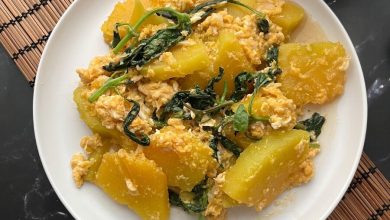
Semur Tahu Telur is a cherished Indonesian comfort food that exemplifies the rich culinary heritage of the archipelago. This dish artfully combines the firmness of fried tofu with the hearty texture of boiled eggs, all enveloped in a fragrant, savory sauce infused with a complex spice blend. Its harmonious balance of flavors, from aromatic spices to sweet soy sauce and aromatic herbs, makes it a versatile dish suitable for any occasion—be it a family dinner, festive celebration, or a comforting meal after a long day. Preparing this dish at home allows you to indulge in authentic Indonesian flavors, crafted with love and attention to detail, as featured on Love With Recipes.

Time
- Preparation Time: 30 minutes
- Cooking Time: 45 minutes
- Total Time: Approximately 1 hour 15 minutes
Needed Equipment
- Large frying pan or wok
- Medium saucepan
- Cooking spoon or spatula
- Chopping board
- Chef’s knife
- Mortar and pestle (optional, for spice grinding)
- Measuring spoons and cups
- Strainer or sieve
- Paper towels (for frying tofu and eggs)
- Serving bowls or plates
Tags
- Indonesian cuisine
- Vegetarian options
- Spicy
- Comfort food
- Family-friendly
- Gluten-free (if soy sauce is gluten-free)
Serving Size
This recipe yields approximately 4 to 6 servings, depending on portion size and accompanying side dishes. It is ideal for sharing among family members or friends, emphasizing the communal nature of Indonesian cuisine.
Difficulty Level
Moderate — requires familiarity with sautéing, simmering, and handling aromatic spices. The process involves careful coordination of preparing ingredients, sautéing, and simmering to develop the full flavor profile of the dish.
Allergen Information
- Eggs: Yes
- Tofu (Soy): Yes
- Nutmeg and spices: Contains spices that may cause allergies in sensitive individuals
- Soy sauce: Contains soy and gluten (if using regular soy sauce)
Dietary Preference
Vegetarian — this dish is suitable for vegetarians if vegetarian soy sauce is used and if eggs are acceptable. For vegans, omit eggs and consider replacing tofu with vegetables or plant-based protein alternatives.
Course
Main Course
Cuisine
Indonesian
Ingredients
Ingredient Quantities and Details
| Ingredient | Quantity | Notes |
|---|---|---|
| Chicken eggs, boiled | 6 pieces | Hard-boiled; peeled |
| Silken tofu, fried | 6 pieces | Fried until golden; drain on paper towels |
| Water | 500 ml | Use filtered or tap water |
| Shallots, finely chopped | 5 cloves | Fresh; peeled and chopped finely |
| Garlic, finely chopped | 3 cloves | Fresh; peeled and minced |
| Nutmeg (whole) | 1/4 piece | Freshly grated or ground |
| Whole black pepper | 1/2 teaspoon | Toasted and ground for enhanced flavor |
| Toasted coriander seeds | 1/2 teaspoon | Ground finely before use |
| Toasted candlenuts | 5 pieces | Optional; can substitute with macadamia or cashews if unavailable |
| Lemongrass, bruised | 1 stalk | Use the white part; bruise to release aroma |
| Galangal, bruised | 1 segment | Fresh; peeled and bruised |
| Bay leaves | 2 leaves | Fresh or dried |
| Salt, sweet soy sauce & Royco | To taste | Adjust according to preference; use soy sauce and seasonings accordingly |
Instructions
Step 1: Preparing Aromatics and Spice Blend
Begin by gathering all your fresh ingredients and ensuring they are prepped for cooking. Finely chop the shallots and garlic, as these form the aromatic base that will infuse the entire dish with depth and richness. Toast the coriander seeds lightly in a dry skillet over medium heat until fragrant, then grind them finely using a mortar and pestle or spice grinder. Toast the candlenuts in the same pan until golden, then crush or blend them into a smooth paste. Bruise the lemongrass stalk by hitting it lightly with the back of a knife or a rolling pin to release the essential oils. Similarly, peel and bruise the galangal segment to maximize flavor extraction.
Step 2: Sautéing the Aromatics
Heat a generous amount of oil—preferably vegetable or coconut oil—in a large frying pan or wok over medium heat. Once the oil is shimmering, add the finely chopped shallots and garlic. Sauté these until they become translucent and fragrant, about 2-3 minutes. Add the toasted and ground spices—coriander, pepper, candlenuts—and continue sautéing until the mixture is aromatic, usually another 2-3 minutes. Be careful not to burn the spices; adjust the heat as necessary. This process develops the essential flavor foundation of the dish, bringing out the aromatics’ fragrant qualities and ensuring no raw spice smell remains.
Step 3: Incorporating Main Ingredients
Carefully add the boiled eggs and fried tofu into the pan, turning gently to coat each piece with the aromatic spice mixture. The eggs and tofu should be handled delicately to prevent breaking or tearing. Allow them to absorb the flavors for 3-5 minutes, gently stirring occasionally. This step ensures that every bite carries the rich, aromatic taste of the spice blend and infuses the tofu and eggs with depth.
Step 4: Adding Liquids and Seasonings
Pour in the 500 ml of water into the pan, ensuring that the ingredients are partially submerged. Add salt, sweet soy sauce, and Royco (Indonesian seasoning cube or powder) to taste. Stir gently to combine all seasonings, ensuring they are evenly distributed. Adjust the seasoning levels according to your preference—remember, sweet soy sauce adds sweetness and depth, while Royco enhances umami flavor. Use a tasting spoon to check the seasoning before proceeding.
Step 5: Simmering for Flavor Development
Bring the mixture to a gentle boil, then lower the heat to a simmer. Cover the pan loosely and allow the dish to cook for about 30-40 minutes. During this time, the liquid will reduce gradually, thickening the sauce while the spices infuse into the tofu and eggs. Stir occasionally to prevent sticking and ensure even cooking. The goal is to achieve a rich, flavorful sauce that clings to the ingredients, with the liquid reduced by approximately half. This process melds all the flavors together, creating the signature taste of Semur Tahu Telur.
Step 6: Final Touches and Serving
Once the sauce has thickened and the flavors are well-absorbed, turn off the heat. Remove the lemongrass, bay leaves, and galangal segments if desired. Transfer the dish to a serving bowl or plate. For presentation, garnishing with crispy fried shallots adds a delightful crunch and aromatic finish. Serve hot alongside steamed rice or other Indonesian side dishes for a complete meal. The dish is best enjoyed fresh but can be stored for later consumption.
Preparation Tips
- Tofu Preparation: For extra flavor, consider marinating the fried tofu briefly in soy sauce before frying. This enhances the savory taste and adds complexity to the dish.
- Egg Boiling: Use fresh eggs and boil them for exactly 8-10 minutes for a firm but tender yolk. Peel carefully to avoid cracking.
- Spice Grinding: Toasting and grinding spices fresh maximizes flavor, but pre-ground spices can be used in a pinch. Adjust quantities if using pre-ground spices to avoid overpowering the dish.
- Simmering: Maintain a gentle simmer to prevent burning and ensure slow absorption of flavors. Use a lid loosely to control evaporation.
- Adjusting Seasonings: Taste as you go, especially when adding soy sauce and Royco, to avoid oversalting or overpowering the dish.
Nutritional Information
| Nutrient | Per Serving (approximate) |
|---|---|
| Calories | approx. 250 kcal |
| Protein | 15 grams |
| Carbohydrates | 12 grams |
| Fats | 14 grams |
| Fiber | 2 grams |
| Sodium | 700 mg |
Tips and Tricks
- Use quality ingredients: Fresh garlic, shallots, and spices significantly impact the flavor. Invest in good-quality spices and fresh aromatics.
- Control the heat: Sauté spices and aromatics over medium heat to avoid burning, which can impart bitterness.
- Infuse flavors: Bruising lemongrass and galangal enhances their aromatic oils, making the dish more fragrant.
- Adjust sweetness: You may add a teaspoon of brown sugar if you prefer a slightly sweeter sauce.
- Make ahead: The dish tastes even better the next day as flavors meld; store in an airtight container in the refrigerator for up to 3 days.
Add-ons
- Chopped scallions or coriander leaves for garnish
- Crispy fried shallots or onion rings for added crunch
- Additional boiled quail eggs or chicken pieces for variation
- Spicy sambal or chili slices on the side for heat lovers
Side Dishes
- Steamed jasmine rice or pandan rice
- Indonesian vegetable salad (Urap)
- Fried tempeh or additional fried tofu
- Pickled vegetables (Acar)
Improvements and Variations
- Vegan version: Replace eggs with tempeh or mushrooms, and use vegan soy sauce and plant-based protein alternatives.
- Spice levels: Incorporate fresh chili or chili powder for more heat.
- Richness: Add a splash of coconut milk during simmering for a creamier texture.
- Herbal notes: Incorporate fresh cilantro or Thai basil for added freshness.
Save and Store
Allow the dish to cool completely before transferring to an airtight container. Store in the refrigerator for up to 3 days. Reheat gently on the stovetop over low heat, adding a splash of water if necessary to loosen the sauce. For longer storage, freeze in portions, and reheat thoroughly before serving. Note that tofu and eggs may change texture slightly after storage, but the flavors will deepen.
FAQ
Can I make this dish spicy?
Yes, add chopped fresh red chilies or chili powder during the sautéing stage to increase heat. Adjust according to your spice tolerance.
Can I substitute the tofu or eggs?
Absolutely. For vegan options, replace eggs with additional vegetables or plant-based proteins. You can also use fried tempeh instead of tofu for variety.
Is this dish suitable for gluten-free diets?
Yes, if you use gluten-free soy sauce and Royco, this dish can be adapted to gluten-free requirements. Always check labels for gluten content.
How can I make the sauce thicker?
Simmer the dish uncovered for additional time, or stir in a slurry of cornstarch and water during the last 5 minutes of cooking.
Conclusion
Mastering Semur Tahu Telur offers a delightful journey into Indonesian flavors, showcasing the harmony of aromatic spices, soy-based umami, and hearty ingredients. Its balanced complexity and comforting nature make it a must-try for home cooks eager to explore authentic Southeast Asian cuisine. With patience and attention to detail, you can recreate this traditional dish that not only satisfies the palate but also connects you to Indonesia’s rich culinary heritage, as celebrated on Love With Recipes.
References
- Indonesian Food & Cooking by Sri Owen
- The Food of Indonesia by Heinz von Holzen and Ninian M. S. Holzen