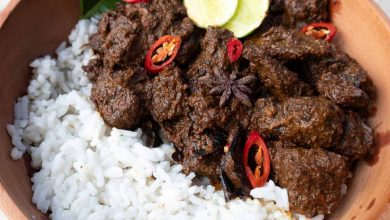
Introduction
Welcome to Love With Recipes, where culinary passion meets detailed craftsmanship. Today, we delve into the art of creating a classic Indonesian favorite—Sapi Lada Hitam, or Beef Black Pepper. This dish embodies a harmonious blend of tender beef coated in a luscious, spicy black pepper sauce, elevated by aromatic herbs and spices. It is a dish that balances savory, spicy, and slightly sweet notes, offering an explosion of flavors in every bite. Perfect for a hearty dinner or an impressive serve for guests, Sapi Lada Hitam is a testament to the rich culinary traditions of Indonesia, with influences from Chinese cuisine that emphasize bold seasoning and precise cooking techniques. This recipe, meticulously detailed for culinary enthusiasts and home cooks alike, ensures you capture the authentic taste and texture that makes this dish a perennial favorite. As always, this recipe is brought to you by Love With Recipes, committed to providing comprehensive, high-quality culinary content that enriches your cooking repertoire.
Time
Preparation Time: 40 minutes

Cooking Time: 15 minutes
Total Time: approximately 55 minutes
Needed Equipment
- Chef’s knife – for slicing and chopping ingredients
- Cutting board – a sturdy surface for prep work
- Marinating bowl – to tenderize and season the beef
- Skillet or wok – for searing and stir-frying
- Spatula or wooden spoon – for stirring and mixing
- Measuring spoons – for accurate ingredient measurement
- Measuring cups – for liquids and sauces
- Grater – for nutmeg and possibly other spices
- Tongs – for handling hot meat during searing
- Serving platter – to present the finished dish
- Heat-resistant gloves (optional) – for safe handling of hot cookware
Tags
Indonesian Cuisine, Beef Recipes, Spicy Dishes, Stir-Fry, Asian Flavors, Home Cooking, Authentic Recipes, Quick Dinner, Gourmet
Serving Size
This recipe yields approximately 2 servings, perfect for sharing or pairing with rice for a more substantial meal.
Difficulty Level
Intermediate – requires understanding of meat tenderizing, stir-fry techniques, and sauce preparation. Suitable for home cooks with some experience in Asian cuisine or those eager to master it.
Allergen Information
This dish contains soy (from soy sauces) and garlic. It is free from common allergens like nuts, dairy, and gluten, provided the soy sauces used are gluten-free. Always verify ingredient labels if you have specific allergies.
Dietary Preference
Contains meat and soy-based products. Not suitable for vegetarian or vegan diets. Can be modified for gluten-free diets by choosing gluten-free soy sauces.
Course
Main Course
Cuisine
Indonesian / Asian Fusion
Ingredients
| Ingredient | Quantity | Notes |
|---|---|---|
| Beef (preferably sirloin or tenderloin) | 250 grams | Cut into thin strips or bite-sized pieces |
| Papaya leaves (for tenderizing) | 3 leaves | Fresh or dried; enhances tenderness |
| Salt | Pinch | For seasoning |
| White pepper powder | 1/4 teaspoon | Adjust to taste |
| Barbecue sauce | 1 tablespoon | For richness and flavor |
| Chili sauce | 1 tablespoon | Adjust based on spice preference |
| Worcestershire sauce | 1/2 tablespoon | For umami depth |
| Sweet soy sauce (kecap manis) | 1/2 tablespoon | For sweetness and color |
| Coarse black pepper | 1 teaspoon | Freshly ground preferred |
| Fine white pepper | 1/2 teaspoon | For added aroma |
| Nutmeg (grated) | 1/2 teaspoon | Freshly grated for best flavor |
| Garlic | 1 clove | Minced or finely chopped |
| Ginger slices | 3 slices | Finely chopped or julienned |
| Onion | 1 medium | Diced |
| Bell pepper or chili (optional) | 1, cut into triangles | Red, yellow, or green, based on preference |
| Green onions | 2 stalks | Cut into 1-inch pieces |
Instructions
1. Tenderizing the Beef
Begin by preparing the beef for tenderization. Place the beef in a clean bowl or marinating dish. Take the papaya leaves—preferably fresh but dried can work if fresh is unavailable—and crush or tear them into smaller pieces. The papaya leaves contain an enzyme called papain, which acts as a natural tenderizer by breaking down connective tissues within the meat, resulting in a more tender texture. Rub the papaya leaves directly onto the beef, ensuring even coverage. Cover the bowl with plastic wrap or a lid and allow the beef to sit at room temperature or in the refrigerator for 30 minutes. This process is crucial for ensuring the beef remains tender after cooking, especially since the cut used is lean and can become tough if overcooked or not properly tenderized.
2. Seasoning the Beef
After tenderization, remove the papaya leaves. Season the beef with a pinch of salt and 1/4 teaspoon of white pepper powder. Massage the seasonings into the meat gently, ensuring that each piece is well-coated. This initial seasoning enhances the flavor profile and prepares the meat for searing, locking in moisture and flavor. Set aside while you prepare the sauce and other ingredients.
3. Searing the Beef
Heat a skillet or wok over high heat until it reaches a very hot temperature—this is critical for a good sear. Add 1 tablespoon of margarine, preferably Palmia Garlic for its aromatic qualities. Once the margarine is melted and shimmering, carefully add the seasoned beef in a single layer, avoiding overcrowding the pan. Sear the beef for about 1–2 minutes per side, just until a light brown crust forms. The goal here is to quickly lock in the juices and develop a caramelized exterior, which adds depth to the flavor. Use tongs to flip the beef, ensuring even searing. Once done, transfer the beef to a plate or bowl and set aside. Do not cook the beef fully at this stage; the residual heat will continue to cook it later when combined with the sauce.
4. Preparing the Sauce
In a small mixing bowl, combine the barbecue sauce, chili sauce, Worcestershire sauce, sweet soy sauce, coarsely ground black pepper, white pepper, and grated nutmeg. Mix thoroughly until all ingredients are well incorporated. This sauce is the flavor backbone of Sapi Lada Hitam, balancing sweetness, spice, and umami. The combination of sauces and spices provides a complex flavor profile that is both rich and spicy. Adjust the quantities based on your taste preferences or dietary restrictions, but remember that the sauce should be robust and flavorful.
5. Stir-Frying Aromatics
Heat a wok or large skillet over medium-high heat. Add 1 tablespoon of margarine and allow it to melt completely. Once hot, add the finely chopped ginger slices. Stir constantly for about 30 seconds to 1 minute until fragrant. Ginger imparts a warm, spicy aroma that forms the foundation of the dish. Next, add the minced garlic. Continue stir-frying until the garlic turns slightly golden brown, about 30 seconds to 1 minute. Be cautious not to burn the garlic, as it can turn bitter. Add the sliced bell pepper or chili (if using) and cook for another 30 seconds, just enough to soften slightly and release aroma. This step layers the dish with aromatic flavors that complement the beef and sauce.
6. Combining and Cooking
Pour the prepared sauce mixture into the stir-fried aromatics. Stir well to combine and bring the mixture to a boil. As the sauce heats, it will thicken slightly, creating a glossy coating that clings to the beef and vegetables. Taste the sauce and adjust the seasoning if necessary—adding more salt, pepper, or soy sauce if desired. Once the sauce has thickened and is bubbling vigorously, add the seared beef back into the pan along with the diced onion. Gently toss everything together, ensuring the beef is coated evenly with the sauce. Cook for an additional 2–3 minutes, just enough for the flavors to meld but not so long that the beef becomes tough. The onions will soften and absorb the flavors, adding sweetness and texture to the dish.
7. Finishing Touches and Serving
Turn off the heat and add the chopped green onions. Stir them into the dish for a fresh, mild onion flavor that brightens the overall profile. Serve immediately while hot, accompanied by steamed jasmine rice or your preferred rice variant. The rice acts as a neutral base, balancing the bold flavors of the black pepper sauce. Garnish with additional green onions or a sprinkle of freshly ground black pepper for presentation if desired. The dish is best enjoyed fresh, as the flavors are most vibrant and the beef remains tender.
Preparation Tips
- Meat Selection: Use tender cuts like sirloin, tenderloin, or ribeye for optimal texture and flavor. If using a tougher cut, increase tenderizing time or consider marinating in a mixture of soy sauce, garlic, and a bit of baking soda for extra tenderization.
- Papaya Leaves: Fresh leaves work best, but dried papaya leaves can be used—soak them briefly in warm water to soften before crushing. If unavailable, pineapple enzyme powder can substitute, but it may alter the flavor slightly.
- Searing Technique: Ensure the skillet is extremely hot before adding the beef. This step is critical for developing flavor and preventing sticking. Do not overcrowd the pan; cook in batches if necessary.
- Sauce Consistency: Adjust the thickness of the sauce by simmering longer if too thin or adding a cornstarch slurry (1 teaspoon cornstarch mixed with 2 teaspoons water) if too thick.
- Vegetable Variations: Feel free to add other vegetables such as snap peas, bok choy, or mushrooms to enhance texture and nutrition.
Nutritional Information
| Nutrient | Per Serving (approximate) |
|---|---|
| Calories | 350 kcal |
| Protein | 23 grams |
| Fat | 15 grams |
| Carbohydrates | 30 grams |
| Sodium | 800 mg |
| Fiber | 3 grams |
| Sugar | 8 grams |
Tips and Tricks
- Timing is key: Sear the beef swiftly to lock in juices, then add it back at the end to prevent toughening.
- Adjust spice levels: Increase or decrease chili sauce and black pepper to suit your heat tolerance.
- Flavor layering: Toast the black pepper in the pan briefly before adding the sauce to enhance its aroma.
- Alternative tenderizers: If papaya leaves are unavailable, pineapple juice or commercial tenderizers can be used—but they may slightly alter the authentic flavor profile.
Add-ons
- Additional fresh herbs like cilantro or Thai basil for garnish
- Sliced fresh chili for extra heat
- Crushed peanuts or crispy fried shallots for crunch
Side Dishes
- Steamed jasmine or basmati rice
- Stir-fried vegetables like bok choy or Chinese broccoli
- Pickled vegetables for contrast
- Spring rolls or fried wontons as appetizers
Improvements
For an even more authentic Indonesian flavor, consider adding a splash of kecap manis (sweet soy sauce) during the sauce preparation. You can also experiment with adding a dash of fish sauce for depth. Using freshly ground black pepper rather than pre-ground ensures a more aromatic and flavorful result. Incorporate toasted sesame oil at the final stage for a nutty aroma. To elevate the dish further, serve it with a side of sambal or chili paste for those who enjoy extra spice.
Save and Store
If you have leftovers, store the beef and sauce separately in airtight containers in the refrigerator for up to 2 days. Reheat gently in a skillet or microwave, adding a splash of water or broth to loosen the sauce. For longer storage, freeze the dish in freezer-safe containers for up to 1 month. To preserve the tender texture, avoid over-reheating, which can toughen the beef. Reheat only until hot, and stir well to reincorporate the flavors.
FAQ
Can I substitute the beef with chicken or tofu?
While this recipe is tailored for beef, chicken breast or thigh can be used—adjust cooking times accordingly. For a vegetarian version, firm tofu or tempeh can replace beef, but be mindful that the tenderizing process may differ; marinate tofu in soy-based sauces beforehand to enhance flavor.
Is papaya leaf essential?
Papaya leaves are traditional for their tenderizing enzyme, but if unavailable, pineapple juice or commercial tenderizers can serve as substitutes. The key is to tenderize the meat effectively for optimal texture.
Can I make this dish less spicy?
Absolutely. Reduce the amount of chili sauce and black pepper to suit your spice preference. You can also omit chili altogether for a milder flavor.
What rice should I serve with this dish?
Steamed jasmine rice is the classic pairing, but basmati or even sticky rice can work depending on your preference. The rice should be fluffy and fragrant to complement the bold flavors of the black pepper sauce.
Conclusion
Mastering Sapi Lada Hitam at home allows you to experience a taste of authentic Indonesian cuisine, rich with aromatic spices, tender meat, and a spicy, savory sauce that excites the palate. The meticulous process of tenderizing and searing, combined with the perfect balance of flavors in the sauce, results in a dish that is both comforting and gourmet. Whether served with simple steamed rice or paired with a variety of side dishes, this recipe offers a satisfying culinary journey into Southeast Asian flavors. Remember, the key to success lies in careful preparation, precise timing, and quality ingredients. As always, Love With Recipes strives to bring you detailed, accessible recipes to elevate your cooking experience. Happy cooking!
References
Authentic Indonesian recipes adapted from traditional culinary sources and contemporary cooking guides. For further reading, see “Indonesian Food & Cookery” by Sri Owen and “The Food of Indonesia” by Heinz von Holzen.