

Introduction
Delving into the rich tapestry of North Indian cuisine, the Chana Dal and Methi Ki Sabzi stands out as a quintessential dish that beautifully marries the earthiness of Bengal gram with the distinctive bitterness of fenugreek leaves. This dish, rooted in traditional Indian culinary practices, offers a wholesome, protein-packed experience, making it an ideal choice for vegetarians and health-conscious individuals alike. The interplay of spices, the tender texture of cooked dal, and the aromatic fenugreek create a balanced flavor profile that excites the palate with every bite. As featured on Love With Recipes, this recipe underscores the vibrant flavors and authentic techniques that define North Indian cooking, making it accessible yet deeply satisfying for home cooks aiming to explore regional Indian flavors.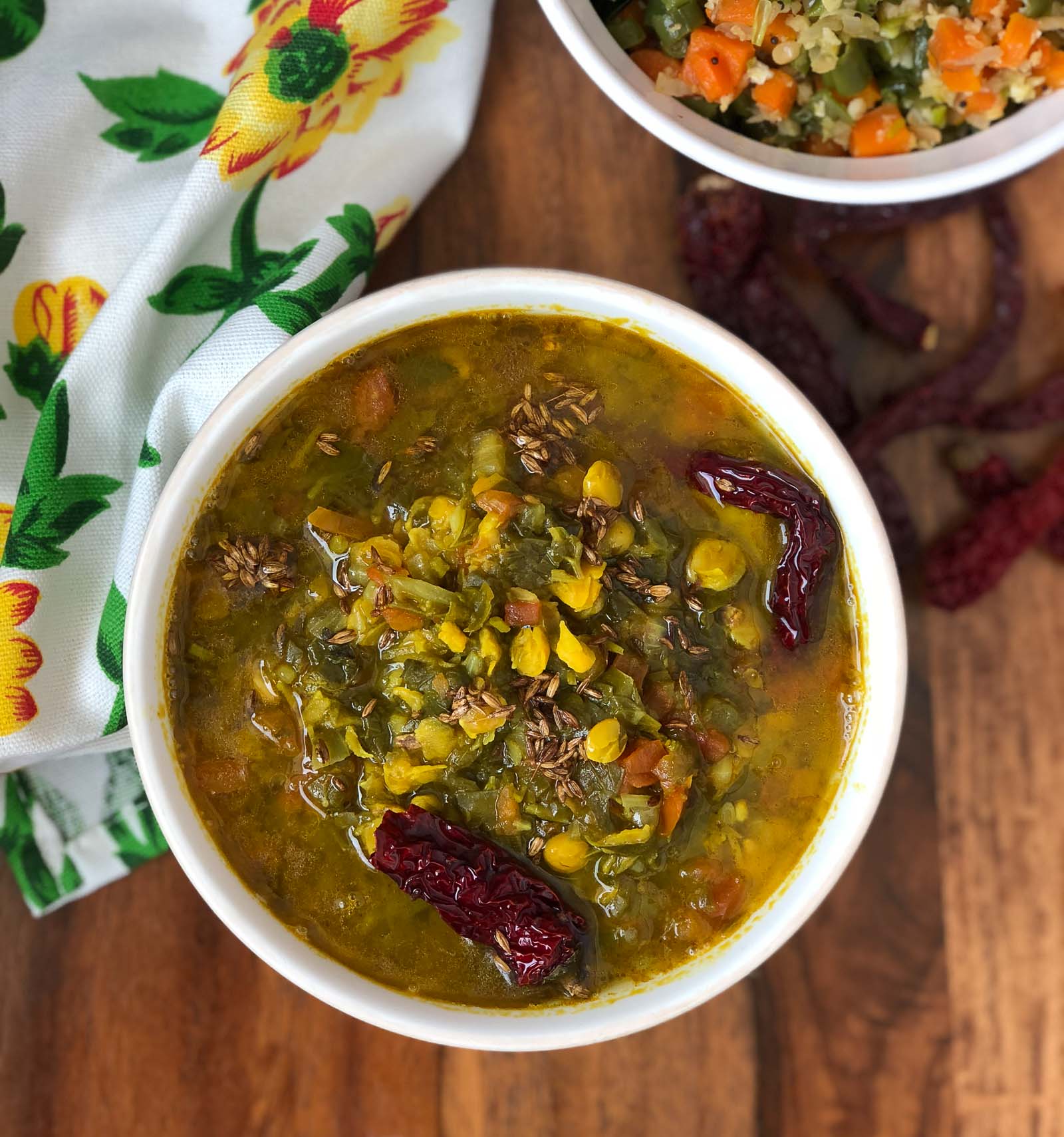
Time
Preparation and cooking time for this flavorful dish typically ranges from 45 to 60 minutes, depending on your familiarity with the process and the equipment used. It involves an initial preparation of ingredients, soaking and cooking the dal, followed by tempering and simmering to infuse the flavors. The overall time can be broken down as follows:

- Preparation of ingredients: 10-15 minutes
- Soaking and cooking dal: 20-25 minutes
- Tempering and final cooking: 10-15 minutes
Note: Using a pressure cooker can significantly reduce cooking time, whereas traditional stovetop methods might extend it slightly.
Needed Equipment
To ensure a smooth cooking experience, gather the following essential kitchen tools and equipment:
- Pressure Cooker or Large Pot: For cooking chana dal and methi seeds efficiently.
- Strainer or Fine Mesh Sieve: To wash and rinse the dal and methi seeds thoroughly.
- Measuring Cups and Spoons: For precise measurement of ingredients.
- Heavy-bottomed Pan or Kadhai: For tempering spices and combining ingredients.
- Cooking Spoon or Ladle: Preferably wooden or heat-resistant silicone for stirring.
- Chopping Board and Knife: For chopping fresh ingredients like coriander and curry leaves.
- Serving Dish or Bowl: For presenting the final dish.
- Optional: Food Processor or Grinder: For preparing spice powders if needed.
Tags
Indian cuisine, Vegetarian, Vegan (with oil), Healthy, Protein-rich, Spicy, Traditional, North Indian, Gluten-free, Nut-free
Serving Size
The recipe yields approximately 4 servings, making it perfect for family dinners or small gatherings. Each serving provides a wholesome portion of protein, fiber, and essential nutrients, ideal for a nutritious meal.
Difficulty Level
This dish is suitable for beginner to intermediate cooks. It emphasizes fundamental Indian cooking techniques such as tempering spices, cooking lentils, and balancing flavors. With clear instructions, even novice cooks can achieve authentic results with confidence.
Allergen Information
This recipe contains no common allergens such as nuts, dairy, or gluten. However, it does include mustard seeds, which may cause sensitivities in some individuals. Always ensure the ingredients used are allergen-free based on personal dietary needs.
Dietary Preference
This dish is inherently vegetarian and vegan-friendly, provided you use plant-based oils like sunflower or mustard oil. It is also naturally gluten-free and suitable for a variety of dietary preferences emphasizing plant-based ingredients.
Course
Main Course / Vegetarian Side Dish
Cuisine
North Indian / Indian Vegetarian
Ingredients
| Ingredient | Quantity |
|---|---|
| Chana dal (Bengal gram dal) | 1 cup |
| Methi seeds (Fenugreek seeds) | 1/4 cup |
| Water | As required |
| Cumin seeds (Jeera) | 1/2 teaspoon |
| Mustard seeds | 1/2 teaspoon |
| Asafoetida (Hing) | 1/2 teaspoon |
| Curry leaves | 5 leaves |
| Red chili powder | 1 teaspoon |
| Turmeric powder (Haldi) | 1/2 teaspoon |
| Amchur (Dry Mango Powder) | 1/2 teaspoon |
| Coriander powder (Dhania) | 1/2 teaspoon |
| Salt | To taste |
| Sunflower oil | As required |
Instructions
Preparation of Dal and Methi
Start by meticulously washing the chana dal and methi seeds. Place the chana dal in a fine-mesh strainer and rinse under cold running water until the water runs clear. This step is crucial to remove any dust, dirt, or impurities that may be present. Similarly, rinse the methi seeds thoroughly to eliminate any residual debris.
Once washed, transfer the dal and methi seeds into a pressure cooker or a large heavy-bottomed pot. Add water generously—about three times the volume of the dal—to ensure proper cooking. If using a pressure cooker, close the lid securely and cook over medium heat. Allow 3-4 whistles, which typically takes about 10-15 minutes depending on your cooker’s efficiency. For stovetop cooking without pressure, simmer the dal and methi seeds for approximately 20-25 minutes, stirring occasionally and checking for doneness. The goal is to achieve a tender, cooked dal that holds its shape but is soft enough to blend with spices without turning into a mushy consistency.
After cooking, carefully drain any excess water using a colander. The cooked dal should be set aside, ready to be incorporated into the spice mixture later. The drained water can be discarded or used as a light broth for other preparations if desired.
Tempering the Spices
In a heavy-bottomed pan or kadhai, pour in sunflower oil—approximately 2-3 tablespoons or enough to coat the base evenly. Heat the oil over medium heat until shimmering but not smoking. Once hot, add cumin seeds and mustard seeds. These seeds will crackle and release aromatic oils, signaling that the tempering process has begun. Be attentive during this stage; avoid burning the seeds, which can impart a bitter taste to the dish.
Next, add a pinch of asafoetida (hing). This spice not only enhances flavor but also aids digestion. Immediately follow by adding curry leaves, which impart a fragrant aroma characteristic of North Indian dishes. Stir the mixture gently and let the spices fry for approximately 30 seconds to 1 minute, until fragrant. This step is vital as it infuses the oil with essential flavors that will permeate the entire dish.
Adding the Spices
Now, incorporate the ground spices: red chili powder, turmeric powder, amchur (dry mango powder), coriander powder, and salt. Sprinkle each spice evenly over the oil, stirring constantly to prevent burning. Cook the spice mixture for 1-2 minutes, allowing the spices to roast slightly and release their essential oils. This process enhances their flavor and creates a flavorful base for the dal and fenugreek.
Combining the Dal and Methi
Once the spices are fragrant and well-roasted, gently fold in the cooked chana dal and methi seeds. Be cautious to avoid breaking the dal or over-mashing it; the goal is to retain some texture. Stir the mixture thoroughly so that the spices coat every grain of dal and fenugreek seeds evenly. Continue to cook on low heat for 3-5 minutes, allowing the flavors to meld. Stir occasionally to ensure nothing sticks to the bottom of the pan and to promote even cooking.
If necessary, adjust water consistency by adding a splash of hot water to achieve a slightly saucy texture, depending on your preference. The dish should be moist but not soupy, with the flavors well integrated.
Final Garnish and Serving
Once the sabzi is cooked to your desired consistency, turn off the heat. Garnish with freshly chopped coriander leaves, which add a burst of freshness and color. Serve hot with steamed rice, Gujarati Kadhi, or Indian flatbreads such as phulka or chapati. Accompanying the dish with pickles and yogurt can enhance the overall meal experience, balancing spices and providing a cooling element.
Preparation Tips
- Dal Texture: Be careful not to overcook the dal to the point where it becomes mushy. It should be tender yet retain shape, providing a hearty bite in each spoonful.
- Fenugreek Balance: Fenugreek seeds have a natural bitterness. Adjust the quantity based on your taste preference—reducing slightly if you find the flavor overpowering.
- Spice Adjustment: Modify the amount of red chili powder to control heat levels. For milder flavor, reduce accordingly.
- Oil Choice: Ghee can be used instead of sunflower oil for a richer, more authentic flavor, especially in festive preparations.
- Cooking Method: Using a pressure cooker expedites the process and ensures evenly cooked dal. If stovetop method is used, plan for longer simmering times with occasional stirring.
- Freshness: Use fresh curry leaves and coriander for maximum aroma.
Nutritional Information
| Nutrient | Per Serving (Approximate) |
|---|---|
| Calories | ~150 kcal |
| Protein | 9g |
| Carbohydrates | 25g |
| Fat | 4g |
| Fiber | 8g |
| Sodium | 150mg |
Tips and Tricks
- Pre-soaking Dal: Although optional, soaking dal for 1-2 hours can reduce cooking time and improve digestibility.
- Enhancing Flavor: Adding a squeeze of fresh lemon juice before serving can brighten flavors and balance the bitterness of methi.
- Adjusting Spice Levels: For a milder version, reduce chili powder and increase coriander for a more aromatic profile.
- Cooking With Ghee: For festive occasions, replace oil with ghee to impart a rich, traditional taste.
- Make-Ahead: This sabzi tastes even better the next day as flavors deepen. Store in an airtight container and reheat gently before serving.
Add-ons
- Freshly chopped onions or tomatoes can be sautéed along with spices for added depth.
- Incorporate diced potatoes or other vegetables for a more substantial meal.
- Sprinkle with grated fresh coconut for a South Indian twist.
Side Dishes
- Steamed Basmati rice
- Gujarati Kadhi
- Indian flatbreads like Phulka, Chapati, or Paratha
- Pickles and yogurt for cooling contrast
Improvements
- Use freshly ground spice powders for a more robust flavor.
- Experiment with different oils or ghee for varied taste profiles.
- Incorporate a dash of lemon juice or amchur at the end for added tang.
- Add a pinch of garam masala during the final stages for an aromatic boost.
Save and Store
This dish keeps well in an airtight container in the refrigerator for up to 2-3 days. To reheat, warm gently on the stovetop or in a microwave, adding a splash of water or oil if necessary to restore moisture. Freeze in individual portions for up to a month for convenient future meals. Always reheat thoroughly before serving to ensure safety and flavor integrity.
FAQ
Can I make this dish vegan?
Absolutely. Use plant-based oils like sunflower or mustard oil instead of ghee, and ensure all ingredients are vegan-friendly. The recipe is naturally vegan as written.
Can I substitute fresh fenugreek leaves for methi seeds?
Yes, fresh fenugreek leaves (methi greens) can be used. Sauté them separately and add towards the end of cooking for a similar flavor profile. Adjust the quantity based on your taste preference.
What if I don’t have a pressure cooker?
Cook the dal and methi seeds in a large pot with ample water, simmering for 20-25 minutes or until tender. Cover and stir occasionally to prevent sticking. Longer cooking times are necessary without pressure.
How can I reduce the bitterness of fenugreek?
Rinsing the methi seeds thoroughly before cooking and using moderate quantities can help. Additionally, balancing with more spices and a dash of lemon can offset bitterness.
Conclusion
Embarking on the journey of authentic North Indian flavors, the Chana Dal and Methi Ki Sabzi offers a nourishing, flavorful experience that resonates with traditional culinary roots. Its harmonious blend of spices, hearty texture, and aromatic fenugreek make it a versatile side that pairs beautifully with rice, bread, or even as a standalone dish for a wholesome vegetarian meal. Whether you’re new to Indian cooking or seeking to elevate your repertoire, this recipe provides a reliable and delightful way to bring regional flavors to your table. Remember, the key lies in balancing the flavors and using fresh ingredients to achieve that authentic taste. As always, Love With Recipes is committed to sharing such enriching culinary experiences—happy cooking!