Introduction
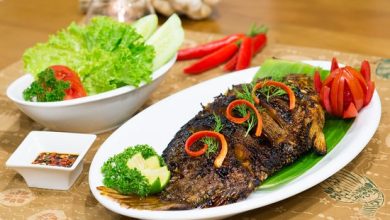
Embark on a culinary journey through Indonesia’s vibrant flavors with this meticulously crafted recipe for Bandeng Presto with Balinese Spiced Tempe. This dish exemplifies the harmony of tender, savory milkfish complemented by the aromatic, spicy essence of Balinese seasoning, intertwined with crispy yet soft tempeh. It’s a celebration of Indonesian coastal freshness and spice-laden land flavors, making it an ideal centerpiece for festive gatherings, family meals, or special occasions that demand authentic cultural cuisine. As featured on Love With Recipes, this recipe emphasizes traditional techniques, balanced seasoning, and ingredient harmony, promising a memorable dining experience that transports your palate to the Indonesian archipelago.

By carefully combining pre-cooked milkfish, fragrant spices, and seasoned tempeh, this dish offers a nuanced taste profile—rich, spicy, earthy, and mildly sweet—reflecting the diverse culinary heritage of Indonesia. The process involves precise preparation, thoughtful cooking steps, and mindful seasoning adjustments, ensuring that every bite encapsulates the authentic flavors of Bali and beyond. Whether you are an experienced home cook or a curious culinary enthusiast, this recipe provides detailed guidance to help you master a dish that radiates authenticity, warmth, and intricate flavor layers.
Time
- Preparation Time: 30 minutes
- Cooking Time: 45 minutes
- Total Time: approximately 1 hour 15 minutes
Needed Equipment
- Large frying pan or wok
- Deep-frying pan or pot
- Blender or food processor
- Sharp chef’s knife
- Cutting board
- Mortar and pestle (optional, for spices)
- Measuring spoons
- Measuring cups
- Slotted spoon or spider strainer
- Serving dish or platter
- Kitchen tongs
- Stove or cooktop with adequate heat control
- Paper towels for frying
- Small bowl for seasoning adjustments
Tags
Indonesian Cuisine, Balinese Flavors, Fish Recipes, Tempeh, Spicy Dishes, Traditional Indonesian Cooking, Seafood, Vegetarian Options, Festive Recipes, Authentic Indonesian
Serving Size
This recipe yields approximately 4 to 6 servings, depending on portion sizes. It’s suitable for family dinners, small gatherings, or festive celebrations. Each serving includes a generous portion of fish and tempeh, accompanied by rice or traditional side dishes, making it a complete and satisfying meal.
Difficulty Level
Intermediate. The recipe requires familiarity with frying techniques, spice blending, and careful handling of delicate fish. Attention to detail during seasoning and cooking ensures optimal flavor and presentation. However, with patience and precision, home cooks of moderate skill can achieve professional results.
Allergen Information
| Allergen | Presence in Recipe |
|---|---|
| Fish (Milkfish) | Yes |
| Soy (Tempeh) | Yes |
| Shell Nuts (Candlenuts) | Yes |
| Garlic & Shallots | Yes |
| Turmeric & Spices | Yes |
Note: Always check for cross-contamination or personal allergies before preparing dishes containing these ingredients.
Dietary Preference
Gluten-Free: Yes (if soy sauce or other additives containing gluten are avoided or substituted).
Vegetarian: No (contains fish, but can be adapted by replacing fish with plant-based alternatives).
Vegan: Not suitable unless modified to exclude fish and replace tempeh with other plant proteins and ensure no animal-derived products are used.
Course
Main Course
Cuisine
Indonesian / Balinese Cuisine
Ingredients
Seafood
| Ingredient | Quantity |
|---|---|
| Milkfish (Bandeng Presto) | 2 whole fish, cleaned and pre-cooked |
Tempeh
| Ingredient | Quantity |
|---|---|
| Tempeh | 1 board (approximately 250 grams) |
Spice Paste (Balinese Spiced Tempe)
| Ingredient | Quantity |
|---|---|
| Galangal (Lengkuas) | 1 piece (about 2 cm thick, crushed) |
| Kaffir Lime Leaves (Daun Jeruk) | 3 leaves (torn) |
| Lemongrass (Serai) | 1 stalk (bruised or crushed) |
| Ground Pepper (Lada Bubuk) | 1/4 teaspoon |
| Salt | To taste |
| Sugar | To taste |
| Chicken Bouillon Powder (Royko) | To taste (optional for depth of flavor) |
Spice Mixture (Blended)
| Ingredient | Quantity |
|---|---|
| Red Curly Chilies (Cabai Keriting) | 8 pieces |
| Bird’s Eye Chilies (Cabai Rawit) | 6 pieces |
| Shallots (Bawang Merah) | 7 pieces |
| Garlic (Bawang Putih) | 3 cloves |
| Candlenuts (Kemiri) | 3 nuts |
| Turmeric (Kunyit) | 1/2 finger-sized piece |
| Coriander (Ketumbar) | 1/2 teaspoon |
Instructions
Preparing the Tempeh
Begin by slicing the tempeh into thick, uniform triangle pieces. The standard size should be approximately 2 cm at each side, ensuring they are substantial enough to absorb flavors and hold their shape during frying. Heat a generous amount of vegetable oil in a deep-frying pan or wok over medium heat. Once the oil reaches about 180°C (356°F), carefully add the tempeh pieces into the hot oil, frying in batches if necessary to avoid overcrowding. Fry the tempeh until it develops a light golden-brown exterior, about 3-4 minutes per batch, turning occasionally to ensure even cooking. The goal is to achieve a crispy exterior while maintaining a tender interior, which allows the tempeh to absorb the flavors of the spice mixture later. Once fried, transfer the tempeh onto paper towels to drain excess oil. Set aside for later use.
Cooking the Milkfish (Bandeng Presto)
Pre-cooked milkfish is often purchased from Asian grocery stores, or it can be prepared at home by steaming or boiling fresh fish until tender. For this recipe, the fish must be fully cooked but not overdone, maintaining its delicate texture. If starting with raw fish, rinse thoroughly, then steam or boil in salted water for about 15-20 minutes, until the flesh is opaque and firm. Once cooked, carefully drain and set aside to cool slightly. To prepare for frying, pat the fish dry with paper towels to remove excess moisture, which helps achieve a crispy exterior during frying. Next, heat a sizable frying pan or wok with enough oil to submerge the fish. When hot, fry the milkfish until the exterior turns golden brown, approximately 4-5 minutes per side, being cautious not to break the fish. Carefully turn the fish using tongs or a slotted spoon, ensuring minimal damage to its structure. Once fried, transfer the fish to a plate lined with paper towels and set aside.
Preparing the Spice Paste
In a blender or food processor, combine the freshly sliced shallots, garlic cloves, candlenuts, turmeric, and coriander. Add a little water if necessary to facilitate blending into a smooth, fragrant paste. For an authentic Balinese touch, you may also pound the ingredients in a mortar and pestle, which enhances the richness of the spice aroma. The resulting paste should be thick, vibrant, and aromatic. This spice mixture forms the backbone of the flavor profile for the dish.
Sautéing the Spice Mixture
Heat a generous tablespoon of vegetable oil in a large wok or deep skillet over medium heat. Add the spice paste and sauté, stirring constantly, until it releases a strong aroma and turns a shade darker, approximately 4-6 minutes. The sizzling sound and fragrant smell indicate that the spices are well cooked. Add the torn kaffir lime leaves and bruised lemongrass stalk, stirring gently to infuse their flavors into the mixture. Continue to sauté for another 2-3 minutes, ensuring the ingredients meld together harmoniously.
Simmering the Flavored Broth
Pour in approximately 200 ml of water into the sautéed spice mixture, stirring gently. Reduce the heat to low-medium and allow the mixture to simmer gently. This step helps develop a rich, aromatic broth that will be absorbed by the tempeh and fish. Let it simmer for about 8-10 minutes, or until it begins to bubble softly, signaling that the flavors are melding. Adjust the heat to prevent boiling over or burning the spices.
Incorporating Tempeh and Fish
Carefully add the fried tempeh pieces into the simmering spice broth. Gently stir to coat each piece evenly with the fragrant sauce. Allow the tempeh to absorb the flavors for about 5 minutes, stirring occasionally but delicately to prevent breakage. Once the tempeh is well-coated and infused with spice, place the fried milkfish into the pan. Carefully slide the fish into the simmering sauce, making sure it remains intact. Gently turn the fish to coat it with the flavorful broth, being cautious not to break the delicate flesh. Cover the pan partially to retain moisture and allow the flavors to permeate the fish, simmering for another 10 minutes to ensure thorough flavor absorption.
Seasoning and Final Adjustments
After simmering, taste the sauce and adjust the seasoning accordingly. Add sugar for a hint of sweetness, salt to enhance the flavors, and chicken bouillon powder if a richer umami note is desired. Stir gently to combine everything evenly. The balance of spicy, salty, sweet, and savory should be harmonious. Continue simmering for an additional 2-3 minutes to meld the flavors fully.
Serving
Once the dish is ready, carefully transfer the fish and tempeh onto a serving platter. Garnish with additional kaffir lime leaves or chopped fresh herbs if desired. Serve hot alongside steamed jasmine rice or traditional Indonesian rice varieties such as pandan rice or coconut rice. The dish pairs beautifully with fresh vegetables or sambal for added spice and texture. Enjoy your authentic Indonesian feast, capturing the essence of Balinese spices and coastal freshness as celebrated on Love With Recipes.
Preparation Tips
- Use fresh or high-quality pre-cooked milkfish to ensure optimal flavor and texture.
- Adjust the spice level by varying the number of chilies; for milder flavor, reduce the amount of bird’s eye chilies and curly chilies.
- Frying the tempeh until just golden allows it to absorb flavors better without becoming overly crispy or tough.
- Infuse the kaffir lime leaves and lemongrass early in the sauté process for maximum aroma release.
- Maintain a gentle simmer to prevent burning or sticking, stirring occasionally.
Nutritional Information
| Nutrient | Per Serving (Approximate) |
|---|---|
| Calories | 350 kcal |
| Protein | 25 grams |
| Fat | 15 grams |
| Carbohydrates | 30 grams |
| Sodium | 900 mg |
| Fiber | 4 grams |
| Sugar | 6 grams |
Note: Nutritional values are approximate and vary based on ingredient specifics and portion sizes.
Tips and Tricks
- Marinate the fish briefly with a little salt and turmeric before frying for enhanced flavor and color.
- Use a mortar and pestle for spice blending to better release essential oils and aroma compounds.
- Fry tempeh in batches to achieve uniform crispiness and prevent overcrowding.
- Adjust spice heat according to personal preference; add more chilies for extra heat or reduce for milder taste.
- Simmer gently to prevent the fish from falling apart and to allow flavors to meld deeply.
Add-ons and Variations
- Vegetarian Version: Replace fish with firm tofu or tempeh, and enhance flavor with mushroom broth or vegetable stock.
- Spice Variations: Incorporate additional spices such as cumin, coriander seeds, or turmeric powder for a personalized touch.
- Herb Garnish: Top with chopped cilantro, Thai basil, or Indonesian basil for fresh aroma and color.
- Extra Accompaniments: Serve with sambal, stir-fried vegetables, or even a side of sautéed spinach for balanced nutrition.
Side Dishes
- Steamed jasmine rice or pandan rice
- Indonesian vegetable stir-fry (sayur lodeh)
- Balinese lawar or sambal matah
- Fresh cucumber and tomato salad with lime
- Pickled vegetables (acar)
Improvements
- Enhance flavor complexity by adding toasted coconut flakes or grated galangal during sauté.
- Use homemade spice paste for a fresher, more vibrant flavor profile.
- Slow cook the fish with the spice mixture for a deeper infusion of flavors.
- Experiment with different types of chilies or aromatic herbs to customize heat and aroma levels.
Save and Store
Leftovers can be stored in an airtight container in the refrigerator for up to 2 days. Reheat gently in a microwave or over low heat on the stove, adding a splash of water or stock to revive the sauce. For longer storage, freeze the dish in portions, preferably without the fish, and reheat thoroughly before serving. To preserve fresh flavors, consume within 24 hours for best results.
FAQ
Can I make this dish vegetarian?
Yes, substitute the milkfish with firm tofu or additional tempeh. Use vegetable broth instead of water to simmer the spices and add depth of flavor.
Can I adjust the spice level?
Absolutely. Reduce the number of chilies or remove the seeds for milder heat. For extra spiciness, add more bird’s eye chilies or curly chilies.
Is pre-cooked milkfish available at Asian markets?
Yes, many Asian grocery stores carry pre-cooked or smoked milkfish, which makes preparation quicker. Alternatively, you can prepare fresh fish as described.
What are some authentic Balinese spices I should look for?
Key spices include galangal, turmeric, candlenuts, and kaffir lime leaves. These are essential for capturing the true Balinese aroma and flavor.
Conclusion
This detailed recipe for Bandeng Presto with Balinese Spiced Tempe encapsulates the richness of Indonesian culinary artistry, blending coastal seafood with land-based spices and aromatic herbs. Its preparation emphasizes authenticity, balancing flavors, and techniques that elevate simple ingredients into a festive, flavorful masterpiece. Perfect for those seeking to explore Indonesian cuisine at home, this dish promises a sensory feast with layers of spice, tender fish, crispy tempeh, and fragrant herbs. As shared on Love With Recipes, mastering this dish will not only enhance your culinary repertoire but also deepen your appreciation for Indonesia’s rich gastronomic heritage.
References
- Indonesian Food & Cookery, Sri Owen, 1980.
- Balinese Cooking: A Culinary Journey, Made Wijaya, 2002.