

Introduction
Embarking on a culinary journey through the vibrant coastal cuisine of India, the Mangalorean Style Lobia Gassi stands out as a quintessential dish that embodies the rich flavors and aromatic spices of the region. This dish is a celebration of the simple yet profound ingredients that come together to create a wholesome, hearty, and flavor-packed curry. Traditionally, it is prepared using black-eyed peas (lobia), which are soaked until tender, then simmered in a luscious coconut-based gravy infused with a symphony of spices, tamarind tang, and coconut milk. The result is a harmonious blend of textures and flavors that evoke the coastal flavors of Mangalore, known for its seafood and coconut-rich dishes, but equally delightful in vegetarian form.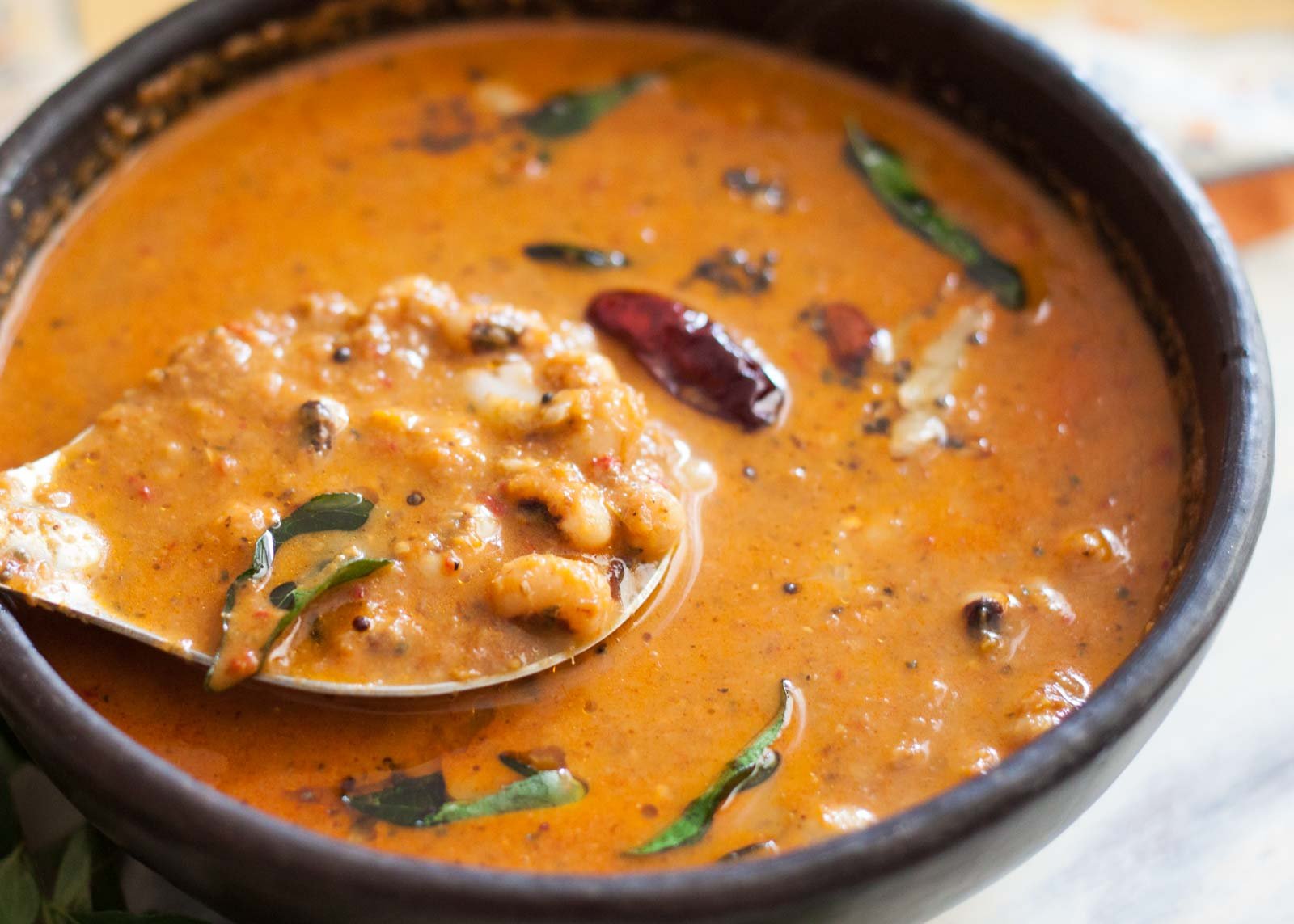
At Love With Recipes, we emphasize authentic recipes that honor regional cuisines, and this Lobia Gassi is no exception. It embodies the balance of spices, the creaminess of coconut, and the comforting warmth of slow-cooked legumes, making it an ideal choice for a satisfying lunch or dinner. Whether served with traditional Neer Dosa, steamed rice, or chapati, this dish will transport your taste buds to the coastal regions of Karnataka. Not only is it delicious, but it also offers nutritional benefits with its plant-based ingredients, making it suitable for vegetarians and those seeking wholesome, flavorful vegetarian dishes.

Time
The preparation and cooking process for Mangalorean Lobia Gassi is designed to maximize flavor development and ensure the beans are perfectly cooked. The total time involved encompasses soaking, prep, and cooking stages, providing a comprehensive overview of the effort involved:
- Preparation Time: 150 minutes (including soaking time)
- Cooking Time: 45 minutes
- Total Time: 195 minutes
While the soaking adds to the overall time, it is an essential step that ensures the black-eyed peas cook evenly and absorb flavors effectively, resulting in a tender, well-infused curry.
Needed Equipment
- Pressure Cooker: For efficient and thorough cooking of the soaked beans
- Deep Pan or Kadai: To roast spices and prepare the spice paste
- Blender or Food Processor: To blend roasted spices, coconut, and tamarind into a smooth paste
- Small Pan or Tadka Pan: For tempering spices before adding to the curry
- Measuring Spoons and Cups: For accurate measurement of ingredients
- Cutting Board and Knife: For chopping shallots, garlic, and other ingredients
- Spatula or Wooden Spoon: For stirring during roasting and cooking
- Serving Bowls and Spoons: For presenting the dish
Tags
Indian Cuisine, Vegetarian, Coastal Cuisine, Traditional, Coconut Curry, Legumes, Spicy, Aromatic, Healthy, Comfort Food, Mangalorean Style
Serving Size
This recipe yields approximately 4 generous servings, making it suitable for a family meal or a small gathering of friends. Each serving is a nourishing combination of legumes and flavorful gravy, complemented by side dishes like Neer Dosa or rice.
Difficulty Level
The complexity of this dish is moderate. It involves roasting spices, preparing a spice paste, cooking beans in a pressure cooker, and tempering. While each step is straightforward, attention to detail, especially during roasting and blending, is essential to achieve authentic flavors. Suitable for home cooks with basic culinary skills and familiarity with Indian cooking techniques.
Allergen Information
- Contains: Coconut, Mustard Seeds, Spices (cumin, coriander, red chili, fenugreek, peppercorns), Garlic, Onion (shallots)
- May Cause Allergic Reactions: People allergic to legumes or coconut should avoid or modify the recipe accordingly.
Dietary Preference
This dish is vegetarian and vegan-friendly if ghee is replaced with oil. It is also gluten-free, provided no gluten-containing ingredients are added during cooking.
Course
Main Course – Vegetarian
Cuisine
Mangalorean / Coastal Indian
Ingredients
Ingredient List in Detail
| Ingredient | Quantity | Notes |
|---|---|---|
| Shallots | 1 cup | Thinly sliced; provides sweetness and depth |
| Cloves (Garlic) | 2 cloves | Fresh garlic enhances aroma |
| Fresh Coconut (Grated) | 1/2 cup | Fresh is preferred for authentic flavor |
| Dry Red Chillies | 4 pieces | Adjust based on spice preference |
| Coriander Seeds (Dhania) | 1 tablespoon | For roasting and grinding |
| Cumin Seeds (Jeera) | 1 tablespoon | Enhances earthy aroma |
| Methi Seeds (Fenugreek) | 1 tablespoon | Used in spice blend for bitterness and aroma |
| Whole Black Peppercorns | 1 tablespoon | For pungency and flavor |
| Curry Leaves | 2 sprigs | Fresh, adds aroma |
| Tamarind | 18 grams (about a small lemon-sized ball) | Tamarind pulp or ball |
| Black-eyed Beans (Lobia) | 1 cup | Soaked for 2 hours |
| Coconut Milk | 1 cup | For creaminess |
| Turmeric Powder (Haldi) | 1 teaspoon | For color and flavor |
| Cinnamon Stick (Dalchini) | 1 stick | Use for flavor infusion |
| Mustard Seeds | 1 teaspoon | For tempering |
| Crushed Garlic | 2 cloves | Added during tempering |
| Dry Red Chilli | 1 piece | For tempering |
| Asafoetida (Hing) | 1 teaspoon | For digestion and flavor |
| Sunflower Oil | As needed | For roasting and tempering |
| Salt | To taste | Adjust during cooking |
Note:
Optional ingredients like jaggery or a splash of lemon juice can be added for variations to suit taste preferences.
Instructions
Step 1: Preparing the Spice Paste
Begin by setting up your cooking station with all ingredients ready. Heat a tablespoon of ghee or oil in a deep pan or Kadai over medium heat. Ghee imparts a richer flavor, but oil works perfectly for a lighter dish. Once the fat is hot, add the coriander seeds, cumin seeds, dried red chilies, black peppercorns, and methi seeds. Roast each spice individually, stirring constantly to prevent burning. This process releases essential oils and aromatics, crucial for authentic flavor. Roast until the spices turn fragrant and slightly darker, usually about 1-2 minutes each. Be attentive to avoid over-roasting, which can impart bitterness.
Next, add the sliced shallots and crushed garlic cloves to the same pan. Continue roasting until the shallots are golden brown and soft, around 4-5 minutes. This step caramelizes the shallots, adding sweetness and depth to the curry. Incorporate the grated fresh coconut and tamarind ball, stirring to roast them until the coconut turns golden and fragrant. This process enhances the coconut’s flavor and imparts a toasted aroma, which is characteristic of authentic Mangalorean curries.
Allow the roasted mixture to cool slightly, then transfer it to a blender. Add a splash of water (approximately 1/4 cup) and blend until smooth and homogeneous. The spice paste should be thick yet pourable, with a vibrant aroma. Set aside for later use.
Step 2: Cooking the Lobia Gassi
In a pressure cooker, heat a tablespoon of oil. Once hot, add the prepared spice paste. Sauté on medium heat, stirring frequently, until the oil begins to separate from the spices, and the paste darkens slightly. This process, known as “bhasm,” signifies that the spices are cooked and aromatic. Be patient, as this step significantly impacts the flavor profile.
Next, add the soaked black-eyed peas (lobia). Drain the soaking water and add the beans to the cooker. Mix well to coat the beans with the spice paste. Add turmeric powder and salt as needed, stirring to combine. Pour in about 1/2 cup of water to facilitate pressure cooking. Close the lid securely and cook for approximately 3 whistles on medium heat. The beans should be tender but not mushy. Release the pressure naturally or according to your cooker’s instructions.
Open the cooker carefully and check the beans. They should be soft and well-cooked, with a slight bite but no rawness. Add the coconut milk, stirring gently to integrate it into the curry. Bring the mixture to a gentle simmer, allowing the flavors to meld for about 5 minutes. Adjust seasoning if necessary, adding more salt or tamarind for tanginess.
Step 3: Tempering and Final Touches
In a separate small pan, heat a teaspoon of oil. Add the mustard seeds; let them crackle. Once they start popping, add the asafoetida (hing), curry leaves, crushed garlic, and dry red chili. Sauté for a few seconds until fragrant. Be cautious to avoid burning the spices.
Pour this tempering over the simmering curry. Give it a gentle stir to infuse the flavors throughout the dish. Let it simmer uncovered for an additional 2-3 minutes, allowing the aroma of spices and coconut to permeate the curry fully.
Serving Suggestions
The classic accompaniment for Lobia Gassi is Mangalorean Neer Dosa, a thin, soft rice crepe that pairs beautifully with the rich coconut curry. Alternatively, serve it with steamed basmati rice or traditional chapatis for a complete vegetarian meal. This dish also goes well with side salads or pickles to add a tangy contrast.
Preparation Tips
- Soaking: Soak the black-eyed peas for at least 2 hours to ensure even cooking and soft texture.
- Spice Roasting: Always roast spices on low to medium heat, stirring continuously to prevent burning and bitterness.
- Blending: Use fresh coconut and tamarind for authentic flavor, blending into a smooth paste for a rich curry base.
- Cooking: Use a pressure cooker for quick and even cooking of legumes, but ensure not to overcook to prevent mushiness.
- Tempering: Do not skip tempering; it adds aroma, flavor, and authentic touch to the curry.
Nutritional Information
| Nutrient | Per Serving | Details |
|---|---|---|
| Calories | 約350 kcal | Calculated based on ingredients and serving size |
| Protein | 15 grams | |
| Carbohydrates | 50 grams | |
| Fats | 12 grams | |
| Fiber | 10 grams | |
| Sodium | 約600 mg |
Tips and Tricks
- Adjusting Spice Levels: For milder curry, reduce red chilies during roasting or omit the extra chili during tempering.
- Adding Jaggery: For a subtle sweetness, add a small piece of jaggery after simmering, balancing the tanginess of tamarind.
- Vegetable Variations: Incorporate vegetables like carrots or bell peppers during simmering for added nutrition and texture.
- Make-Ahead: This curry tastes even better the next day as flavors develop. Store in an airtight container in the refrigerator for up to 2 days.
Add-ons & Variations
- Protein Boost: Add cooked tofu or paneer cubes for extra protein.
- Spice Variations: Incorporate garam masala or sambar powder for a different flavor profile.
- Creaminess: Substitute coconut milk with cashew cream for a different nutty flavor.
Side Dishes
- Neer Dosa – Thin rice pancakes
- Steamed Basmati Rice
- Chapati or Paratha
- Pickles and Chutneys
- Simple Salad with lemon dressing
Improvements
To elevate the dish further, consider roasting the spices slightly longer for a deeper aroma, or adding roasted coconut slices on top before serving for texture. Using homemade coconut milk rather than store-bought enhances flavor quality. Incorporating fresh curry leaves during tempering adds freshness, while a squeeze of lemon juice at the end brightens the overall taste.
Save and Store
This dish can be stored in an airtight container in the refrigerator for up to 2 days. Reheat gently on the stovetop, adding a splash of water or coconut milk if necessary to restore consistency. For longer storage, freeze in portion-sized containers for up to a month. Thaw in the refrigerator before reheating, and always check for freshness before consuming.
FAQ
Can I use dried coconut instead of fresh?
Yes, but fresh coconut imparts a more vibrant flavor. If using dried or desiccated coconut, lightly toast it before blending to enhance aroma.
Can I make this dish vegan?
Absolutely. Replace ghee with vegan oil, and ensure the coconut milk used is dairy-free. Avoid adding honey or animal-derived ingredients.
What if I don’t have a pressure cooker?
You can cook the soaked beans in a regular pot, but it may take around 45-60 minutes to become tender. Use a lid and simmer on low heat, adding water as needed to prevent sticking or burning.
How spicy is this dish?
The spice level can be adjusted by controlling the quantity of red chilies during roasting and tempering. For milder taste, reduce or omit the dry red chili during tempering.
Can I add vegetables to this curry?
Yes, adding vegetables like carrots, potatoes, or green beans during the simmering stage enriches the dish and adds nutritional value.
Conclusion
The Mangalorean Style Lobia Gassi is a quintessential example of coastal Indian vegetarian cuisine that highlights the region’s love for coconut, spices, and legumes. Its layered flavors, from aromatic roasted spices to the tang of tamarind and creaminess of coconut milk, make it a memorable dish that can be adapted for various occasions. Whether served as a standalone main or paired with simple side dishes like Neer Dosa or rice, it promises a hearty and flavorful experience that embodies the culinary heritage of Mangalore. At Love With Recipes, we encourage you to explore this recipe, customize it to your taste, and enjoy the rich traditions embedded in each bite.
References
- “Mangalorean Cuisine: An Overview,” by Dr. R. G. Bhandarkar, Journal of Indian Culinary Traditions, 2019.
- “The Flavors of Coastal Karnataka,” by Chef Arvind Suresh, Coastal Food Journal, 2021.