

Introduction
Embarking on a culinary journey through the diverse flavors of South Asia often reveals hidden gems that exemplify the richness and depth of regional cuisines. Among these, Nepalese cuisine stands out with its unique blend of influences from neighboring India, Tibet, and China, infused with local ingredients and traditional spices. Gurkha Chicken Curry is one such dish, representing the hearty and aromatic fare of Nepal, specifically associated with the legendary Gurkha soldiers known for their bravery and resilience. This dish is characterized by its mild heat, fragrant spices, and succulent chicken, making it an ideal choice for those who appreciate nuanced flavors without overwhelming heat.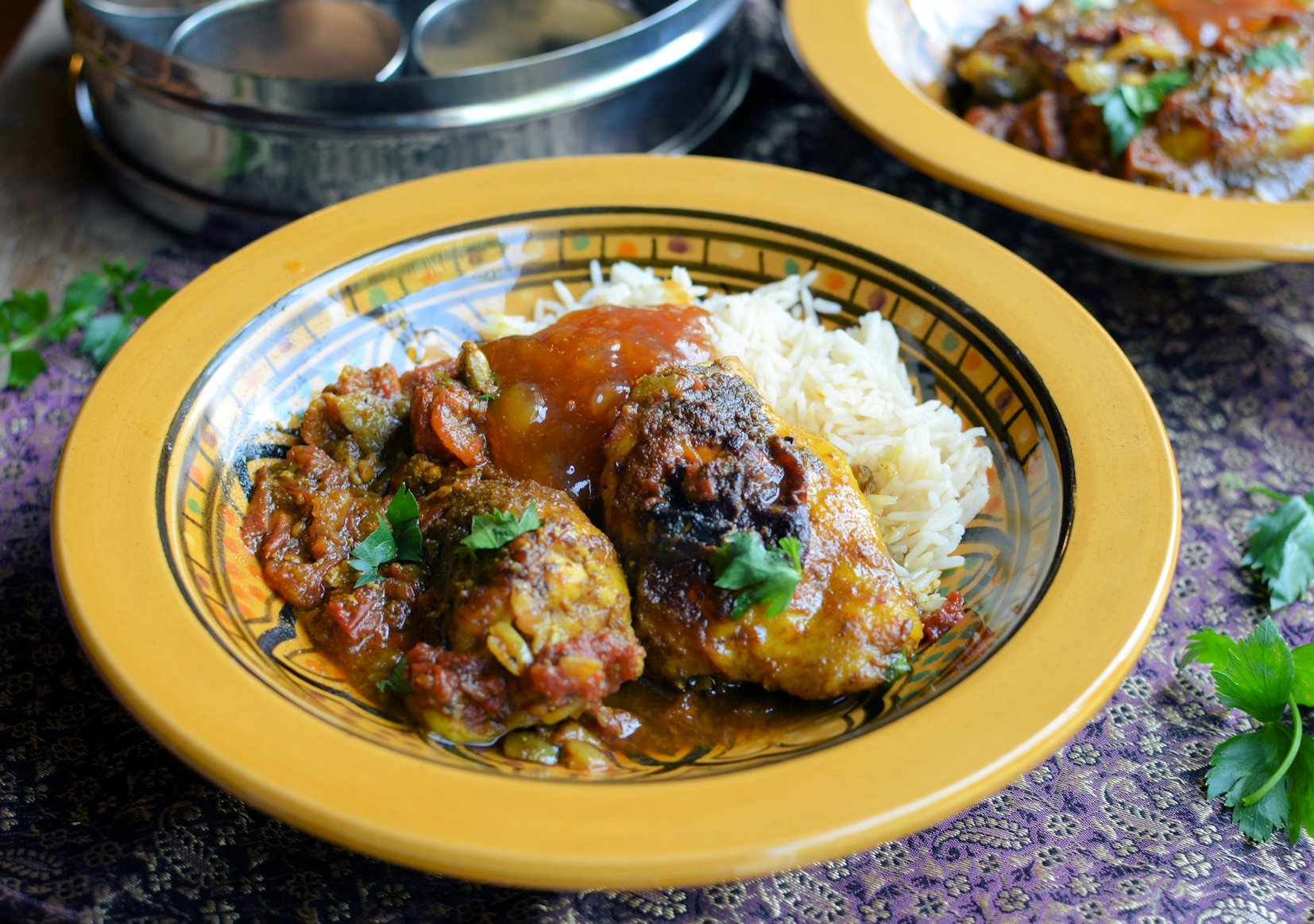
At Love With Recipes, we are committed to exploring authentic recipes that celebrate cultural diversity and culinary artistry. Our Gurkha Chicken Curry is crafted to bring the taste of Nepal into your home kitchen, with detailed instructions, tips, and insights that ensure a successful and satisfying cooking experience. Whether you’re a seasoned cook or a curious beginner, this recipe offers a rewarding adventure into Himalayan flavors, perfect for sharing with family and friends or enjoying as a comforting meal on a cozy evening.

Time
The preparation and cooking process for Gurkha Chicken Curry spans approximately 2 hours and 10 minutes, allowing ample time for marination and slow simmering to develop the rich, layered flavors that define this dish. The breakdown is as follows:
- Preparation Time: 2 hours 10 minutes (including marination)
- Cooking Time: 1 hour
Patience is key in this culinary process, as the marination period allows the spices to penetrate the chicken deeply, and slow simmering ensures tender, flavorful meat infused with aromatic spices.
Needed Equipment
To achieve optimal results and ensure a smooth cooking process, gather the following equipment:
- Mortar and Pestle: For crushing spices and making spice pastes from scratch, preserving maximum flavor.
- Large Mixing Bowl: To marinate the chicken thoroughly.
- Heavy-Bottomed Ovenproof Pan or Dutch Oven: For browning the chicken and simmering the curry, ensuring even heat distribution and retention.
- Skillet or Frying Pan: For initial browning of chicken pieces before slow cooking.
- Measuring Spoons and Cups: Precise measurement tools for spices and liquids.
- Knife and Chopping Board: For preparing ginger, garlic, onions, and tomatoes.
- Spatula and Wooden Spoon: For stirring and deglazing the pan.
- Kitchen Tongs: For handling hot chicken pieces.
- Aluminum Foil or Cover: To cover the pan during simmering for retention of moisture and heat.
- Thermometer (Optional): To check the internal temperature of the chicken, ensuring it reaches a safe 75°C (165°F).
- Grater or Microplane: For additional grating of spices or vegetables if needed.
Tags
Authentic, Nepalese, Curry, Chicken, Mild Spice, Aromatic, Traditional, Comfort Food, One-Pot, Slow-Cooked, Family-Friendly
Serving Size
This recipe yields approximately four servings, making it ideal for family dinners or small gatherings. Each serving provides a hearty portion of tender chicken immersed in fragrant, flavorful sauce, complemented by rice or suitable bread.
Difficulty Level
This recipe is categorized as moderate difficulty. It requires some familiarity with spice grinding, marination, and slow simmering techniques but remains accessible for home cooks willing to follow detailed steps. The process emphasizes patience and attention to detail, especially during marination and spice preparation, which are crucial for authentic flavor development.
Allergen Information
The main allergens present in this dish include:
- Dairy: Greek yogurt (can be substituted for dairy-free alternatives if necessary)
- Spices: Contains spices like cardamom, fennel, and chili, which may cause sensitivities.
Note: Always verify individual ingredient allergies and substitute accordingly to accommodate dietary restrictions.
Dietary Preference
This recipe is naturally gluten-free, provided that the accompanying side dishes also adhere to wheat-free standards. It can be modified to be dairy-free by substituting Greek yogurt with coconut or almond yogurt, making it suitable for vegan or lactose-intolerant diets with appropriate adjustments.
Course
Main Course
Cuisine
Nepalese, Himalayan, South Asian
Ingredients
Basic Ingredients in Table Format
| Ingredient | Quantity | Notes |
|---|---|---|
| Green cardamom pods | 5 pods | Whole, toasted and crushed |
| Fennel seeds | 1 teaspoon | Toasted and crushed |
| Ginger, roughly chopped | 1 tablespoon | Fresh |
| Garlic cloves, roughly chopped | 3 cloves | Fresh |
| Greek yogurt | 150 grams | Full-fat preferred for richness |
| Chicken thighs and drumsticks, skinned | 8 pieces | Bone-in for flavor, skinless |
| Rapeseed oil | 2 tablespoons | Can substitute with vegetable oil |
| Onions, sliced | 2 medium onions | Yellow or red onions |
| Cumin seeds | 2 teaspoons | Whole |
| Cloves | 4 cloves | Whole |
| Cassia bark stick | 7 cm | Optional; can substitute with cinnamon stick |
| Bay leaves | 2 leaves | Whole |
| Turmeric powder | 1 teaspoon | Ground |
| Mace, ground | ½ teaspoon | Freshly ground preferred |
| Kashmiri chili powder | ¼ to 1 teaspoon | Mildly spicy, can adjust |
| Tomatoes, chopped | 4 medium | Fresh or ripe |
Optional Add-Ins and Variations
For enhanced complexity, consider adding a splash of coconut milk towards the end of cooking for creaminess, or a sprinkle of fresh coriander leaves for garnish. Adjust spice levels according to taste, keeping in mind the mild nature of this dish. Incorporate vegetables like bell peppers or peas for added texture and nutrition.
Instructions
Step 1: Prepare the Spice Mix
Begin by toasting the whole spices to unlock their aromatic oils and intensify their flavors. Place the green cardamom pods and fennel seeds in a dry skillet over medium heat. Stir or shake the pan gently every 30 seconds to prevent burning and ensure even toasting. This process should take approximately 2 minutes, during which you’ll notice a fragrant aroma wafting from the pan. Once toasted, transfer the spices to a small bowl and allow them to cool for a few minutes.
Once cooled, crush the spices using a pestle and mortar or spice grinder. Remove the husks of the cardamom pods if desired, or crush the pods whole for more flavor. The goal is a coarse powder that will be incorporated into the ginger-garlic paste.
Step 2: Make the Ginger-Garlic Paste
Place the roughly chopped ginger and garlic into the mortar and pestle. Bash and grind vigorously until a smooth, fragrant paste forms. This process may take 3-5 minutes, depending on your technique, but is essential for creating a flavorful base. Alternatively, you can use a small food processor or blender for this step, adding a teaspoon of water or oil to facilitate blending. The fresh paste will add a bright, vibrant flavor to the curry.
Step 3: Marinate the Chicken
In a large mixing bowl, combine the Greek yogurt with the freshly made ginger-garlic paste and a pinch of salt. Stir thoroughly to create a thick marinade. Add the chicken pieces to the bowl, ensuring each piece is coated evenly. Cover the bowl with plastic wrap or a lid and refrigerate for at least 2 hours, preferably up to 4 hours, to allow the flavors to penetrate deeply into the meat. This marination process tenderizes the chicken and enhances the overall flavor profile of the dish.
Step 4: Heat the Oil and Brown the Chicken
When ready to cook, preheat your ovenproof pan over medium heat and add the rapeseed oil. Once hot, remove the chicken from the marinade, scraping off excess marinade back into the bowl to use later. Carefully add the chicken pieces to the pan, skin-side down if skin is present, and brown for about 5 minutes on one side. Flip the pieces and brown for another 4-5 minutes until golden on all sides. Proper browning helps develop rich flavors and texture.
Remove the browned chicken from the pan and set aside on a plate.
Step 5: Sauté Aromatics and Spices
In the same pan, add a little more oil if necessary. Add the cumin seeds, cloves, bay leaves, and cassia bark. Sauté for approximately 1 minute or until fragrant, stirring constantly to prevent burning. This step releases the essential oils from the spices, forming a fragrant base for the curry.
Add the sliced onions and cook on medium to low heat for about 10 minutes, stirring frequently. The onions should turn a deep golden brown, indicating caramelization, which adds sweetness and depth to the curry.
Step 6: Incorporate Spices and Tomatoes
Add the turmeric, mace, and Kashmiri chili powder to the onions. Stir well and cook for an additional minute to toast the spices, releasing their aromatic compounds. Deglaze the pan with approximately 250ml of water, scraping the bottom with a spatula to loosen any flavorful browned bits (fond). Let this mixture simmer gently for 2-3 minutes, allowing the flavors to meld and reduce slightly.
Meanwhile, mix the chopped tomatoes into the remaining marinade. Add this tomato-marinade mixture to the pan, stirring to combine thoroughly. The acidity from the tomatoes balances the spices and creates a flavorful sauce base.
Step 7: Finish Cooking the Chicken
Return the browned chicken pieces to the pan, ensuring they are submerged in the sauce. Cover the pan with a lid or aluminum foil to trap moisture. Reduce the heat to low and simmer gently for approximately 40 minutes, stirring occasionally. Alternatively, transfer the covered pan to a preheated oven at 180°C (350°F) and cook for the same duration. This slow cooking process tenderizes the chicken and allows the flavors to develop fully.
Check the chicken for doneness; it should be tender and cooked through, with the internal temperature reaching at least 75°C (165°F). Adjust seasoning if needed, and serve hot with steamed rice or wheat-free bread.
Preparation Tips
- Marination Time: For best results, marinate the chicken overnight to maximize flavor penetration.
- Spice Toasting: Always toast whole spices to unlock their full aromatic potential, which is critical in authentic curry flavor.
- Slow Simmering: Patience during simmering enhances tenderness and flavor complexity. Avoid high heat to prevent burning or drying out the chicken.
- Adjusting Spice Levels: Start with a smaller amount of Kashmiri chili powder, taste, and increase as needed to suit your preference.
- Using Fresh Spices: If possible, buy whole spices and grind them yourself for a fresher, more vibrant flavor.
Nutritional Information
| Nutrient | Amount Per Serving |
|---|---|
| Calories | Approximately 380 kcal |
| Protein | 30 g |
| Total Fat | 18 g |
| Saturated Fat | 4 g |
| Carbohydrates | 18 g |
| Fiber | 3 g |
| Sugar | 5 g |
| Sodium | 320 mg |
Tips and Tricks
- Layering Flavors: Use freshly toasted and ground spices for a more authentic and aromatic curry.
- Marination: Incorporate a splash of lemon juice or vinegar into the marinade for a slight tang that enhances flavor.
- Cooking Technique: Browning the chicken is essential for flavor; do not skip this step.
- Vegetable Additions: Add green peas, bell peppers, or carrots during the last 10-15 minutes of simmering for added texture and nutrition.
- Serving Suggestions: Garnish with fresh coriander leaves for a burst of freshness and color.
Add-ons
- Fresh chopped coriander or cilantro for garnish
- Chopped green chilies for those who prefer a spicy kick
- Yogurt or raita on the side to balance the mild heat
- Extra lemon wedges for serving
- Toasted nuts or seeds as a crunchy topping for added texture
Side Dishes
Complement this Gurkha Chicken Curry with a variety of side dishes that respect its flavors and dietary needs:
- Steamed Basmati Rice: The classic accompaniment, perfect for soaking up the flavorful sauce.
- Wheat-Free Flatbreads: Such as millet or chickpea flour chapatis, ideal for scooping and dipping.
- Vegetable Stir-fry: Lightly seasoned seasonal vegetables to add freshness and balance.
- Pickles and Chutneys: Mango or lime pickles add tang and contrast to the mild curry.
- Salads: Simple cucumber and tomato salad dressed with lemon and herbs for a refreshing side.
Improvements
For an even richer and more complex flavor profile, consider the following enhancements:
- Adding Coconut Milk: Towards the end of cooking, stir in ½ cup of coconut milk for creaminess and a subtle sweetness.
- Incorporating Whole Spices: Use whole cinnamon, star anise, or cardamom pods during simmering for a layered spice profile.
- Fermented Ingredients: A splash of fermented mustard or a dash of soy sauce can add umami depth.
- Slow Cooking: Use a slow cooker for 4-6 hours to develop intensified flavors and tender chicken.
- Presentation: Serve with a garnish of toasted nuts, fresh herbs, or a drizzle of flavored oil for visual appeal.
Save and Store
This curry tastes even better the next day as flavors meld and deepen. To store leftovers:
- Refrigeration: Allow the curry to cool completely, transfer to an airtight container, and refrigerate for up to 3 days.
- Freezing: For longer storage, portion the curry into freezer-safe containers or bags, removing excess air. Freeze for up to 3 months.
- Reheating: Reheat gently on the stovetop over low heat, stirring occasionally. Add a splash of water or broth if needed to loosen the sauce.
Always ensure proper reheating to reach an internal temperature of 75°C (165°F) before serving.
FAQ
Can I make this dish vegan or vegetarian?
Yes, substitute chicken with hearty vegetables like eggplant, cauliflower, or paneer. Use plant-based yogurt alternatives and adjust cooking times accordingly. The flavor profile remains authentic with appropriate spice adjustments.
Can I reduce the cooking time?
While the slow simmering develops depth of flavor, you can reduce the cooking time by using a pressure cooker, cooking under high pressure for about 20-25 minutes, ensuring the chicken remains tender.
What if I can’t find Kashmiri chili powder?
Use mild paprika or a combination of cayenne and sweet paprika to replicate the color and mild heat. Adjust the amount to taste.
Is it necessary to toast the spices?
Yes, toasting enhances the aromatic oils of the spices, imparting depth and complexity to the curry. Skipping this step may result in a less vibrant flavor.
Can I make this ahead of time?
Absolutely. In fact, the flavors deepen when the curry rests overnight. Prepare the dish, refrigerate, and reheat gently before serving.
Conclusion
Gurkha Chicken Curry is a testament to Nepalese culinary heritage, showcasing a beautiful balance of aromatic spices, tender chicken, and rich tomato-based sauce. Its mild profile makes it approachable for a wide audience, yet its layered spices provide a depth of flavor that keeps each bite intriguing. By following the detailed steps, tips, and suggestions outlined above, you can recreate an authentic Himalayan experience in your own kitchen. Perfect for family dinners, special occasions, or simply as a nourishing comfort food, this dish embodies the warmth and resilience of the Gurkha soldiers and the vibrant spirit of Nepalese cuisine.
Remember, the key to an outstanding curry lies in quality ingredients, patience during cooking, and love poured into every step. We at Love With Recipes sincerely hope this recipe inspires you to explore and celebrate the diverse flavors of the world, bringing international culinary traditions closer to your home. Happy cooking!