Introduction
At Love With Recipes, we believe that wholesome, hearty vegetarian dishes should be accessible, flavorful, and nourishing. The Turnip Chana Dhal, also known as Shalgam Chana, exemplifies this philosophy. This dish is a celebration of simple ingredients transformed by aromatic spices into a comforting bowl of goodness. Combining the earthy sweetness of turnips with the rich, protein-packed chana dal, this recipe offers a balanced, satisfying meal perfect for any season. Its mild spice profile makes it accessible to those sensitive to heat but still flavorful enough to delight the palate. The preparation involves soaking, simmering, and layering flavors with fragrant spices, culminating in a dish that is not only nourishing but also a testament to the beauty of traditional Indian vegetarian cuisine. Whether you’re a seasoned cook or a beginner, this recipe provides a fantastic way to explore the depths of vegetarian comfort food, making it a staple for your meal rotation.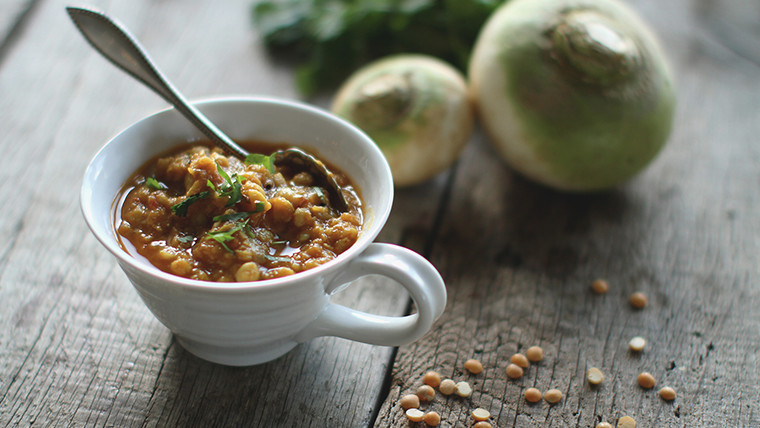
Time
Preparation Time: 10 minutes (plus soaking time)
Cooking Time: approximately 40 minutes
Total Time: about 50-55 minutes, including soaking
Needed Equipment
- Pressure cooker or large heavy-bottomed pot with lid
- Mortar and pestle or spice grinder
- Blender or food processor
- Frying pan or skillet
- Cutting board
- Chef’s knife
- Measuring spoons and cups
- Stainless steel spoon or spatula for stirring
- Peeler
- Small bowl for soaking
- Serving bowls
- Optional: immersion blender for adjusting consistency
Tags
#Vegetarian #Vegan #Healthy #IndianCuisine #ComfortFood #ProteinRich #GlutenFree #Dhal #TurnipRecipes #LegumeDishes #FamilyFriendly
Serving Size
Serves approximately 6 hearty bowls, ideal as a main course or a substantial side dish.
Difficulty Level
Intermediate — requires some familiarity with soaking legumes and handling spices, but overall straightforward with step-by-step guidance.
Allergen Information
This dish contains chana dal, a type of legume, which is a common allergen for some individuals. It is naturally gluten-free and dairy-free, suitable for gluten-sensitive and lactose-free diets. Always double-check spice blends if store-bought to avoid cross-contamination.
Dietary Preference
- Vegetarian: Yes
- Vegan: Yes (omit optional butter)
- Gluten-Free: Yes
- Dairy-Free: Yes (omit butter)
Course
Main Course / Vegetarian Entrée
Cuisine
Indian / South Asian
Ingredients
Ingredient List in Tabular Format
Mustard seeds1 tspCoriander seeds1 tspRed chilli powder½ tspTurmeric powder½ tspSalt (or to taste)1 tspFresh coriander, choppedA handful
| Ingredient | Quantity |
|---|---|
| Turnips (small, fresh) | 4 |
| Chana Dal (split chickpeas) | 125g |
| Onion (small, sliced) | 1 |
| Garlic cloves (sliced) | 2 |
| Ripe tomatoes | 3 |
| Green chillies | 1-2 (adjust to taste) |
| Fresh ginger (4 cm piece) | Yes |
| Cooking oil | 1 tbsp |
| Cumin seeds | 1 tsp |
| Cassia bark (optional) | 1 piece (4 cm) |
Instructions
1. Prepare the Chana Dal
Begin by selecting high-quality chana dal, ensuring there are no impurities or foreign particles. Rinse the dal thoroughly under cold running water until the water runs clear, removing dust or debris. Transfer the washed dal into a small bowl and cover with enough water to submerge completely. Allow the dal to soak for at least 3 to 4 hours, preferably overnight for optimal softness. Soaking softens the dal, reducing cooking time, and enhances digestibility. If you’re short on time, a quick soak can be done by boiling the dal in water for 10 minutes, then letting it sit covered for an additional 30 minutes. However, for best results, traditional soaking is recommended.
2. Prepare the Turnips
Choose fresh, firm turnips that are small to medium in size. Wash the turnips thoroughly under cold water to remove any dirt or soil, especially around the roots and leafy tops. Using a vegetable peeler, peel the turnips to remove the outer skin, which can sometimes be bitter or tough. Once peeled, rinse again to ensure all dirt is removed. Cut the turnips into small, bite-sized pieces—about 1-inch cubes—so they cook uniformly and blend well with the dal and spices. Set these aside while you prepare other ingredients.
3. Cook the Dal and Turnips
Using a pressure cooker or a heavy-bottomed pot, add the soaked chana dal along with the chopped turnip pieces. Pour in 2 cups of clean water and add a pinch of salt to season the dal during cooking. Close the pressure cooker lid securely and turn on medium heat. Allow the cooker to reach pressure, which is indicated by one whistle (or depending on your cooker’s specifications). Once the first whistle sounds, reduce the heat to low and simmer for an additional 4 minutes. This gentle simmer allows the dal and turnips to become tender and infuse the flavors. Turn off the heat and let the pressure release naturally, which can take 10-15 minutes. If using a regular pot, cook on low heat, stirring occasionally, until the dal and turnips are soft—about 40-45 minutes. The goal is to have the dal fully cooked and the turnips tender but not mushy.
4. Prepare the Spice Masala
While the dal and turnips are cooking, prepare the spice paste. First, dry roast the cumin seeds, mustard seeds, and coriander seeds in a small frying pan over medium heat. Constantly shake the pan or stir with a spoon until the seeds darken slightly and release a fragrant aroma—this process enhances their flavor. Be cautious not to burn the spices, as this can impart a bitter taste. Once roasted, transfer the seeds to a mortar and pestle or a spice grinder and crush into a fine powder or coarse mixture, depending on your preference. This freshly ground spice mix will add depth to the dish.
Next, roughly chop the tomatoes, green chillies, and ginger. Place these into a blender or food processor and pulse until you obtain a smooth, vibrant paste. If you prefer a chunkier texture, pulse lightly; for a smooth sauce, blend thoroughly. Set aside for later use.
5. Cook the Aromatics and Make the Masala
In a separate frying pan, heat the cooking oil over medium heat. Once hot, add the roasted cumin seeds, mustard seeds, coriander seeds, and the optional cassia bark. Let them sizzle for about 30 seconds, releasing their aromatic oils. Add the sliced onions and garlic to the pan. Sauté until the onions turn golden brown and soften, about 5-7 minutes. This step develops the base flavors of your dish.
Stir in the turmeric powder, red chilli powder, and salt. Cook for another minute, allowing the spices to bloom. Add the prepared tomato-ginger-green chilli paste to the pan. Cook this mixture on medium heat, stirring occasionally, until it thickens and the oil begins to separate—about 8-10 minutes. This process creates a rich, flavorful masala base that will infuse the dal with depth and warmth.
6. Combine the Dal, Turnips, and Masala
Once the dal and turnips are tender and the pressure has been released, carefully open the cooker. Check the consistency and doneness of the dal—press a few pieces between your fingers or taste-test a small portion. It should be soft and fully cooked. Gently stir the cooked dal and turnips into the masala sauce, ensuring the mixture is well combined. At this stage, you can adjust the consistency: if the dish seems too thick, add a bit of hot water or broth, stirring to incorporate. If you prefer a thicker, stew-like texture, simmer uncovered for an additional 5-10 minutes to allow excess liquid to evaporate and flavors to meld.
7. Final Touches and Serving
Stir in the chopped fresh coriander leaves for a burst of herbal freshness. Taste the dish and adjust salt or spice levels if necessary. For an optional richness boost, add a small knob of butter or a drizzle of ghee on top—this step is especially popular in traditional Indian cooking. Serve your Turnip Chana Dhal hot, accompanied by steamed rice, chapati, or naan bread. The dish pairs beautifully with a side of pickles or yogurt for added contrast.
Preparation Tips
- Soaking Dal: Always soak the chana dal for at least 3 hours, or overnight, to ensure even cooking and easier digestion.
- Spice Freshness: Toast and grind your spices fresh for maximum aroma and flavor. Store ground spices in airtight containers away from sunlight.
- Turnip Selection: Small, young turnips are sweeter and tender; avoid large, mature turnips which can be woody and bitter.
- Adjusting Spice Levels: Customize the heat by increasing or decreasing green chillies or chili powder according to your preference.
- Cooking Lentils: Do not overcook the dal; aim for tender but intact pieces to preserve texture.
Nutritional Information
| Nutrient | Per Serving (Approximate) |
|---|---|
| Calories | 220 kcal |
| Protein | 10 g |
| Fat | 7 g |
| Carbohydrates | 35 g |
| Fiber | 8 g |
| Sodium | 350 mg |
Tips and Tricks
- Layering Flavors: Toasting spices before blending enhances their aroma and depth.
- Consistent Texture: Adjust cooking time based on your preferred dal texture—longer for softer dal, shorter for firmer bites.
- Adding Acidity: A squeeze of lemon or a dash of amchur (dried mango powder) can brighten the dish just before serving.
- Make Ahead: The dish tastes even better the next day as flavors meld. Store in an airtight container in the refrigerator for 2-3 days.
Add-ons
- Ghee or butter for richness
- Fresh lemon juice for acidity
- Chopped green chilies or red pepper flakes for extra heat
- Cooked spinach or kale for added greens
- Sautéed paneer cubes for a protein boost
Side Dishes
- Steamed basmati rice
- Whole wheat chapatis or naan bread
- Cooling cucumber raita
- Pickles and chutneys for added flavor contrast
- Fresh salad with lemon dressing
Improvements and Variations
- Vegetable Variations: Add diced carrots, potatoes, or peas for a more substantial vegetable medley.
- Spice Adjustments: Increase the chili or add garam masala for a more complex spice profile.
- Texture Variations: For a creamier dish, blend a portion of the cooked dal and turnips before mixing back into the pot.
- Cooking Method: Use a slow cooker for a hands-off, long-simmered flavor development.
Save and Store
Leftover Turnip Chana Dhal can be stored in an airtight container in the refrigerator for up to 3 days. Reheat thoroughly on the stovetop or microwave. For longer storage, freeze in freezer-safe containers for up to 3 months. To reheat, thaw overnight in the fridge and warm gently, stirring occasionally to restore consistency.
FAQ
Can I use dried turnips instead of fresh?
Dried or frozen turnips can be used if fresh are unavailable. Adjust cooking time accordingly, as dried turnips may need longer to rehydrate and soften.
Can I make this dish vegan?
Absolutely. Omit any butter or ghee used for garnishing and ensure your spice blends do not contain hidden animal-derived ingredients. This dish is naturally vegan-friendly.
Is this dish suitable for gluten-free diets?
Yes. It contains no gluten ingredients. Just ensure any store-bought spices are gluten-free and processed in gluten-free facilities.
Can I add other vegetables?
Yes. Diced carrots, potatoes, peas, or spinach can be added during cooking for variation and extra nutrition.
How do I make the dish spicier?
Increase the number of green chillies, add red pepper flakes, or incorporate a pinch of cayenne pepper to suit your heat preferences.
Conclusion
Love With Recipes is proud to bring you this comprehensive take on Turnip Chana Dhal, a dish that encapsulates the soul of traditional Indian vegetarian cuisine. Its wholesome ingredients, layered spices, and comforting texture make it a perfect choice for a nourishing family meal or meal prep. The balance of earthy turnips and protein-rich dal, combined with aromatic spices, ensures each bite is satisfying and healthful. Whether served with rice, bread, or enjoyed on its own, this recipe exemplifies how simple ingredients can come together to create something truly special. Experiment with the suggested enhancements and find your perfect version of this classic dish. Remember, cooking is an art—feel free to adapt and personalize this recipe to your taste and dietary needs. Enjoy the process, and savor every wholesome spoonful!
References
- Dehghan, S. (2017). Indian Vegetarian Recipes for Beginners. Culinary Institute of India.
- Ghosh, S. (2019). Spices and Flavors of Indian Cooking. Spice Route Publishing.