Introduction
Bistik Daging Sapi, also known as Indonesian Beef Steak, is a beloved traditional dish that showcases the rich, savory flavors of tender beef enhanced by a harmonious blend of spices, soy sauces, and aromatic ingredients. Originating from Indonesia’s diverse culinary landscape, this dish reflects the nation’s love for bold flavors and hearty, comforting meals. The preparation involves thinly slicing beef, marinating it with a fragrant spice paste, and then cooking until tender and glazed with a savory sauce. It pairs beautifully with steamed rice or fried rice, making it a versatile main course suitable for family dinners, festive gatherings, or special occasions. The dish’s vibrant flavors and tender texture make it a must-try for anyone eager to explore authentic Indonesian cuisine. As featured on Love With Recipes, this comprehensive guide will ensure you master the art of making Bistik Daging Sapi with authentic flavor and perfect texture, supported by detailed tips, nutritional insights, and suggestions for customization.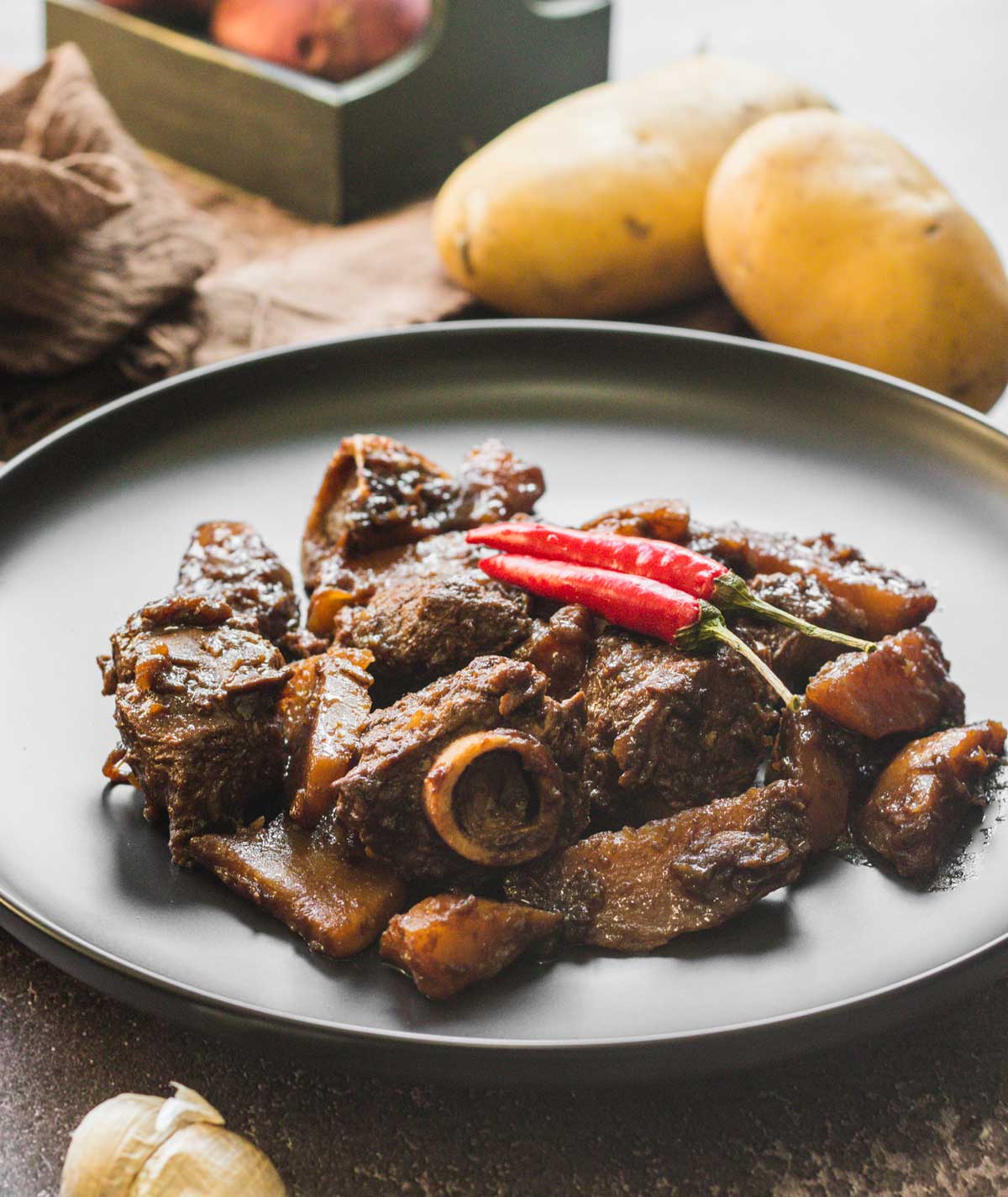
Time
Preparation Time: approximately 20 minutes
Marinating Time: at least 30 minutes (can be extended to 2 hours for deeper flavor)
Cooking Time: approximately 15-20 minutes
Total Time: about 1 hour (including marination)
Needed Equipment
- Sharp chef’s knife
- Cutting board
- Mixing bowls
- Mortar and pestle or food processor
- Measuring spoons
- Grater or garlic press (optional)
- Frying pan or skillet (preferably non-stick or cast iron)
- Spatula or wooden spoon
- Stainless steel spoon (for tenderizing)
- Plate or serving platter
- Kitchen thermometer (optional, for precise cooking)
- Cover or lid for the pan
Tags
- Indonesian cuisine
- Beef recipes
- Stir-fry
- Marinated meat
- Comfort food
- Family dinner
Serving Size
This recipe yields approximately 4 servings, making it perfect for a family meal or small gathering. Each serving contains a generous portion of flavorful beef accompanied by the rich sauce. Adjust the portion size according to your needs, especially if serving alongside rice or other side dishes.
Difficulty Level
Intermediate. While the process involves basic cooking techniques, proper slicing of beef and emulsifying the marinade require some attention. The use of a mortar and pestle or food processor for spice paste preparation is recommended for authentic flavor. With patience and careful execution, home cooks can master this dish easily.
Allergen Information
| Allergen | Present in Recipe | Notes |
|---|---|---|
| Egg | Yes | |
| Soy (Sweet soy sauce, oyster sauce) | Yes | |
| Shellfish (Oyster sauce) | Potential allergen depending on oyster sauce brand | |
| Gluten | Possible, depending on soy sauce and oyster sauce brands |
Dietary Preference
This dish is suitable for omnivorous diets. For gluten-free options, select gluten-free soy and oyster sauces. To accommodate vegetarian or vegan diets, substitute beef with plant-based protein and use vegan sauces, but note that the original flavor profile relies heavily on beef and traditional sauces.
Course
- Main Course
Cuisine
Indonesian
Ingredients
In a detailed table for clarity:
| Ingredient | Quantity | Notes |
|---|---|---|
| Beef (preferably sirloin or tenderloin) | 500 grams (about 1/2 kg) | Thinly sliced, best when slightly frozen for easy slicing |
| Egg | 1 large | Beaten for marinade |
| Butter | 1 tablespoon | For marinade and cooking |
| Oyster Sauce | 1 teaspoon | Enhances umami flavor |
| Sweet Soy Sauce (Kecap Manis) | 4 tablespoons | For sweetness and color |
| Shallots | 5 medium | For spice paste |
| Garlic Cloves | 5 cloves | For spice paste |
| Whole Peppercorns | 1 teaspoon | For spice paste |
| Coriander Seeds | 1 teaspoon | For spice paste |
| Salt | to taste | For marinade and seasoning |
| Water | As needed | To aid in cooking and tenderizing |
Instructions
Step 1: Preparing the Beef
To achieve the ideal thin slices of beef that cook quickly and evenly, it’s best to work with the meat slightly frozen. Place the beef in the freezer for about 30-45 minutes until it’s firm but not completely frozen solid. Once partially frozen, remove the beef from the freezer and use a sharp knife to slice it as thinly as possible. Thin slices ensure quick cooking and tender texture, characteristic of authentic Indonesian beef dishes.
After slicing, rinse the beef slices thoroughly under cold running water to remove any residual blood or surface impurities. Pat them dry with paper towels or a clean dishcloth. Proper drying prevents splattering and helps the marinade adhere better.
Step 2: Making the Spice Paste
The spice paste forms the aromatic backbone of Bistik Daging Sapi. To prepare it, peel the shallots and garlic cloves. Using a mortar and pestle yields a more traditional, coarse paste, but a food processor can also be used for efficiency. To grind the spices, toast the coriander seeds and whole peppercorns in a dry skillet over medium heat until fragrant, about 2-3 minutes. This step enhances their flavors.
Once toasted, add the shallots, garlic, toasted coriander seeds, and peppercorns to the mortar or food processor. Grind or pulse until a smooth, fragrant paste forms. The texture should be finely minced, but some small bits can add to the flavor complexity. This spice paste is essential for imparting authentic Indonesian flavor to the beef.
Step 3: Marinating the Beef
In a large mixing bowl, combine the beaten egg, butter, oyster sauce, sweet soy sauce, and the prepared spice paste. Mix well until uniform. Add the sliced beef to the marinade, ensuring each piece is thoroughly coated. The egg acts as a binder, helping the marinade cling to the meat, while the soy sauces and spice paste infuse the beef with rich flavor.
Cover the bowl with plastic wrap or a lid and let it marinate for a minimum of 30 minutes. For more intense flavor, marinate for 1-2 hours in the refrigerator. If short on time, a quick 15-minute marinate still imparts decent flavor but longer marination is recommended for depth.
Step 4: Cooking the Beef
Heat a non-stick or cast iron frying pan over medium heat. Lightly grease with a small amount of butter or cooking oil. Once hot, add the marinated beef slices in a single layer, avoiding overcrowding the pan to promote even cooking. Cook in batches if necessary.
Stir and cook until the beef releases a fragrant aroma, about 3-4 minutes. The beef should be browned but still tender. To tenderize further and add depth of flavor, pour in a small amount of water—about 50 ml or 2 tablespoons—and add a stainless steel spoon to the pan. The spoon helps to tenderize the meat by pressing it down and breaking down connective tissues.
Cover the pan and allow the beef to simmer gently until most of the water evaporates and the beef becomes tender and glazed, approximately 8-10 minutes. During cooking, occasionally stir to ensure even cooking and prevent sticking.
Step 5: Final Touches and Serving
Taste the beef and adjust seasoning with additional salt or sweet soy sauce as needed. Continue cooking until the beef is coated with a shiny, rich sauce that clings to each slice. The final appearance should be glossy, dark, and inviting, with the aroma of spices and soy blending harmoniously.
Transfer the finished beef to a serving platter. Serve hot alongside steamed rice or fried rice for a complete Indonesian meal. Garnish with sliced green onions or fried shallots if desired for added flavor and presentation.
Preparation Tips
- Use a sharp knife for slicing beef to ensure clean, thin slices without tearing the meat.
- Partially freezing the beef makes slicing easier and results in uniform thin slices, critical for quick cooking and tender texture.
- Toast spices like coriander and peppercorns to elevate their aroma and flavor before grinding.
- Marinate the beef for at least 30 minutes, but longer marination enhances flavor depth.
- Use a stainless steel spoon to tenderize the beef during cooking, a technique that helps break down tougher fibers and improves tenderness.
- Adjust the seasoning after tasting; Indonesian dishes often benefit from a balance of sweet, salty, and savory flavors.
Nutritional Information
| Nutrient | Per Serving (approximate) |
|---|---|
| Calories | around 250-300 kcal |
| Protein | about 20 grams |
| Fat | about 15 grams |
| Carbohydrates | around 10 grams |
| Sodium | variable, depending on soy and oyster sauces used |
| Fiber | less than 2 grams |
Tips and Tricks
- For an extra smoky flavor, consider grilling the beef slices over charcoal or an outdoor grill.
- Adding a splash of lime juice or vinegar at the end can enhance brightness and balance the richness.
- Pair with fresh vegetables or a simple cucumber salad to add freshness to your meal.
- For a spicier version, incorporate sliced chili peppers into the marinade or as a garnish.
- Use high-quality soy and oyster sauces for authentic flavor; brands like ABC or Kikkoman are reliable options.
Add-ons and Variations
- Vegetarian Version: Substitute beef with firm tofu or tempeh, marinate with the same spice paste and sauces, then stir-fry until golden.
- Extra Vegetables: Add sliced bell peppers, carrots, or green beans during the final stir-fry stage for added texture and nutrition.
- Spicy Kick: Incorporate chopped bird’s eye chili or chili paste into the marinade for a fiery twist.
- Sweet and Sour: Mix in a splash of rice vinegar or tamarind paste for a tangy variation.
Side Dishes
- Steamed jasmine or basmati rice
- Fried rice with vegetables or eggs
- Indonesian vegetable salads like urap or acar
- Fried plantains or crispy fried shallots for added crunch
- Steamed vegetables such as bok choy or broccoli
Improvements and Customizations
- For a richer sauce, simmer the beef with coconut milk or add a dash of fish sauce for umami depth.
- Incorporate fresh herbs like cilantro or Thai basil after cooking for fresh flavor.
- Adjust sweetness by adding more sweet soy sauce or honey, depending on your preference.
- For a thicker sauce, dissolve a teaspoon of cornstarch in water and stir it into the pan during the final minutes of cooking.
Save and Store
Leftover Bistik Daging Sapi can be stored in an airtight container in the refrigerator for up to 2 days. Reheat gently in a pan over low heat or microwave until warmed through. To maintain moisture, add a splash of water or broth during reheating. For longer storage, freeze in portions wrapped tightly in plastic wrap or vacuum-sealed. It can last up to 3 months in the freezer. When reheating, simmer until hot and sauce is reconstituted.
FAQ
Can I prepare this dish ahead of time?
Yes, marinating the beef in advance enhances flavor. Cook just before serving for optimal freshness. Reheating is simple, but note that the texture may be slightly different after refrigeration or freezing.
Can I substitute beef with chicken or other meats?
While the traditional recipe uses beef, you can substitute with thinly sliced chicken breast or thigh, adjusting cooking time accordingly. Chicken cooks faster and remains tender if sliced thinly and marinated properly.
Is this dish spicy?
The basic recipe is mildly flavored, but you can add chili peppers or chili paste during marination for a spicy kick. Adjust according to your heat tolerance.
What is the best soy sauce to use?
Use authentic sweet soy sauce (kecap manis) for the characteristic sweetness and depth. For the salty component, good-quality soy sauce like Kikkoman or ABC is recommended. Always check labels if you have gluten sensitivities.
Conclusion
Bistik Daging Sapi embodies the rich tapestry of Indonesian flavors, combining tender beef with a fragrant spice paste, savory soy sauces, and a hint of sweetness. Its versatility and bold taste make it a favorite for those seeking authentic Indonesian cuisine at home. With careful preparation, attention to detail, and a few culinary tips, you can recreate this comforting dish that’s perfect for any occasion. Whether served with steaming rice, fresh vegetables, or as part of a festive spread, this dish promises to delight every palate. Remember, the key lies in slicing the beef thinly, marinating adequately, and cooking with patience to develop deep, layered flavors. Love With Recipes is proud to bring you this authentic recipe, ensuring you get the most out of your culinary journey into Indonesian cuisine.
References
- “Indonesian Food & Cooking” by Sri Owen
- “The Food of Indonesia” by Heinz von Holzen and Wolfgang Schardt