Introduction
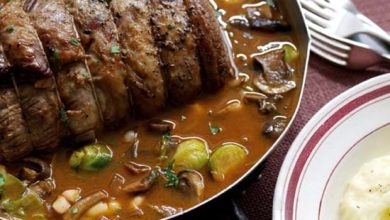
Welcome to Love With Recipes, where culinary delights come to life through simple yet flavorful dishes. Today, we delve into a traditional and hearty German comfort food—Eggs in Mustard Sauce with Savoy Cabbage Rolls. This dish embodies rustic European flavors, combining tender fish, fresh leafy greens, and a luscious mustard-infused sauce. It’s a perfect wholesome meal that balances richness with a touch of tang and freshness. Not only does it offer an incredible blend of textures and flavors, but it also provides a nutritious, satisfying experience that can be enjoyed during family dinners, special occasions, or as a cozy weekend treat.
Preparing this dish entails classic techniques like blanching vegetables, creating a flavorful fish binding, rolling delicate leaves, and simmering everything to perfection. The highlight is the sauce—rich, creamy, and beautifully complemented by the slightly spicy paprika and fresh lemon juice. This recipe is designed to serve approximately four to six portions, making it ideal for a family or a small gathering of friends. It combines simple ingredients with sophisticated execution to bring out the best in each component, resulting in a dish that’s both comforting and refined.

As you follow these step-by-step instructions, you’ll uncover tips and tricks that elevate the dish to new heights, ensuring your culinary mastery shines through. The combination of hearty fish, tender cabbage, and a velvety mustard sauce will fill your kitchen with enticing aromas and create a memorable meal worth sharing. Prepare to indulge in a classic yet versatile dish that beautifully showcases the flavors of traditional German cuisine, all thoughtfully curated for the Love With Recipes platform.
Needed Equipment
- Large pot for boiling cabbage leaves
- Sharp knife for scoring cabbage and preparing ingredients
- Kitchen scissors or twine for securing cabbage rolls
- Frying pan or skillet for sautéing onions and preparing sauce
- Food processor or meat grinder for finely chopping the fish
- Mixing bowls for preparing the fish mixture and assembling rolls
- Measuring cups and spoons for ingredients
- High-sided saucepan or deep skillet for simmering
- Wooden spoon or silicone spatula for stirring
- Fine sieve or strainer for draining excess water from cabbage
- Ladle for serving the sauce and dish
- Refrigerator for storing leftovers
Tags
- German Cuisine
- Seafood
- Healthy Cooking
- Comfort Food
- Family Dinner
- Dairy-Free Alternative
- Low Carb
- Steamed & Boiled
- Homemade Meal
Serving Size
This recipe yields approximately 4 to 6 servings, depending on portion sizes. It’s perfect for family dinners or small gatherings, providing a well-rounded and satisfying meal that balances protein, greens, and hearty sauce. Each serving includes a generous portion of the fish roll, cabbage leaf, and sauce, ensuring a delightful dining experience with a variety of textures and flavors on each plate.
Difficulty Level
This dish falls under the moderate difficulty level. It involves multiple steps such as preparing the cabbage leaves, making the fish filling, rolling the cabbage, and simmering in the sauce. With some basic cooking skills—like knife handling, boiling, and sautéing—it’s achievable for home cooks with intermediate experience. Attention to detail and patience during assembly and simmering will yield the best results. Endurance in handling delicate cabbage leaves and properly forming the rolls is key to mastering this recipe.
Allergen Information
| Allergy | Potential Risks | Notes |
|---|---|---|
| Fish | Contains fish (seelachs fillet) | Use suitable fish substitutes for allergy-friendly options |
| Eggs | Contains eggs | Can be omitted or replaced with egg substitutes |
| Dairy | Contains cream (Sahne) | Use plant-based cream for dairy-free variation |
| Gluten | Includes breadcrumbs (Semmelbrösel) | Use gluten-free breadcrumbs if necessary |
| Allergens in spices/sauces | Possible additives in tomato sauce | Check labels for allergens or preservatives |
Dietary Preference
This recipe is suitable for pescatarian diets, providing a delicious fish-based main course with vegetable components. It can be adapted for gluten-free diets by substituting breadcrumbs and adjusting the sauce accordingly. For a dairy-free version, replace cream with coconut milk or other plant-based creams. It’s also appropriate for those seeking a balanced, nutritious meal with emphasis on lean protein and greens.
Course
Main course
Cuisine
German
Ingredients
| Ingredient | Quantity |
|---|---|
| Savoy Cabbage (Wirsing) | 1 head (approx. 1kg) |
| Fish fillet (e.g., cod, Pollock) | 400 g |
| Onion | 1 medium-sized |
| Butter | 10 g |
| Eggs (large) | 2 |
| Breadcrumbs | 1 tbsp (Semmelbrösel) |
| Fresh lemon juice | from 1 lemon |
| Sweet paprika powder | 1/2 tsp |
| Water | 1/4 liter |
| Sour cream or cream (Sahne) | 1/8 liter (125 ml) |
| Tomato sauce (purchased or homemade) | 1 packet (approx. 400g) |
| Salt and pepper | To taste |
Instructions
Preparing the Cabbage Leaves
Begin by selecting a fresh head of Savoy cabbage, which should be firm, tightly packed, and vibrant in color. Carefully remove eight large outer leaves, ensuring they are intact and large enough to serve as wrappers. Use a sharp knife to score the thick ribs (the central vein) of the cabbage leaves. This step involves making shallow cuts along the ribs to facilitate folding and rolling, making the leaves more flexible and less prone to tearing during the wrapping process.
Next, bring a large pot of salted water to a vigorous boil. Submerge the cabbage leaves into the boiling water, allowing them to cook for approximately 6 to 8 minutes. The boiling process softens the leaves, making them pliable and tender for rolling. During the boiling process, use tongs or a slotted spoon to turn the leaves occasionally, ensuring even cooking. Keep a close watch—overcooking can cause the leaves to become mushy, while undercooking may make them difficult to roll.
Once cooked, carefully remove the cabbage leaves from the boiling water and transfer them onto a clean kitchen towel or paper towels. Pat gently to absorb excess moisture, which will prevent sogginess and facilitate easier rolling. Set aside and let them cool slightly while you prepare the fish filling.
Preparing the Fish Filling
Rinse the fish fillet under cold running water to remove any residual scales, bones, or debris. Pat dry thoroughly with paper towels. Using a sharp knife, cut the fish into smaller chunks to make processing easier. Alternatively, for a finer texture, pass the fish through a meat grinder or process it in a food processor until it reaches a finely minced consistency.
Extract the juice from one fresh lemon by halving it and squeezing over the fish. This adds brightness and a subtle acidity, which enhances the flavor profile and helps eliminate any fishy odors. Mix well to combine the lemon juice with the fish.
Cooking the Onion
Peel the onion, then chop it into very fine cubes (brunoise). In a small skillet or frying pan, melt the butter over medium heat. Once melted, add the onion and cook gently, stirring frequently, until it becomes translucent and softens—about 3 to 4 minutes. Do not let it brown; the goal is to develop a sweet, delicate flavor that will complement the fish and other ingredients.
Assembling the Fish Mixture
In a large mixing bowl, combine the processed fish, sautéed onions, eggs, breadcrumbs, paprika powder, salt, and pepper. Use a spoon or spatula to thoroughly blend all ingredients into a cohesive, smooth mixture. When combined correctly, the mixture should hold together but remain soft and pliable. Adjust seasoning as necessary, tasting a small portion of the mixture.
This mixture forms the core of the cabbage rolls, and its flavor profile should be balanced—savory with a slight tang from the lemon, accented by the paprika’s mild heat and aroma.
Assembling the Cabbage Rolls
Lay two cabbage leaves on top of each other to create a sturdy wrapper. Place a generous spoonful of the fish mixture onto the center of the layered leaves, roughly equal in size to ensure uniform cooking. Fold the sides of the cabbage leaf inward and tightly roll from the bottom to the top, encasing the filling securely. Use kitchen twine or cooking string to tie each roll at both ends or around the middle, preventing unwrapping during simmering.
Repeat this process with the remaining cabbage leaves and fish mixture, assembling about 4 to 6 rolls depending on their size and your preference.
Cooking the Cabbage Rolls in Sauce
Pour the tomato sauce into a high-sided saucepan or deep skillet. Gently stir in the cream (Sahne) until the sauce is smooth, rich, and velvety. Heat the sauce over medium heat until it begins to simmer, then carefully place the cabbage rolls into the sauce, ensuring they are partially submerged.
Bring the sauce with the rolled cabbage to a gentle simmer. Cover the pan with a lid, reduce the heat to low, and allow the rolls to cook slowly for 15 to 20 minutes. During this time, the flavors meld, the fish thoroughly cooks, and the cabbage softens further, resulting in an incredibly tender and flavorful dish. Occasionally, check to ensure the sauce doesn’t reduce too much; add a splash of water if needed to maintain moisture.
After the cooking time, remove the cabbage rolls carefully using a slotted spoon or tongs, and serve them hot, spooned generously with the creamy tomato sauce and your choice of accompaniments.
Preparation Tips
- Choose fresh, vibrant cabbage: Fresh leaves make for easier rolling and a more tender bite.
- Handle fish with care: Processing fish just before making the filling ensures optimal freshness and flavor.
- Don’t overcook cabbage: The leaves should be pliable but not falling apart.
- Adjust seasoning: Taste the fish mixture before assembling to ensure balanced flavors, especially if using different fish varieties.
- Secure the rolls: Properly tying or wrapping ensures the fillings stay enclosed during cooking, preventing spillage and maintaining presentation.
- Optional flavor enhancements: Add fresh herbs like dill, parsley, or chives to the fish mixture for extra freshness.
Nutritional Information
| Nutrient | Per Serving |
|---|---|
| Calories | Approximately 350 kcal |
| Protein | Approximately 25 g |
| Fat | Approximately 15 g |
| Carbohydrates | Approximately 30 g |
| Fiber | Approximately 4 g |
| Sodium | Varies depending on salt and sauce used, approx. 800 mg |
Tips and Tricks
- Pre-cook the cabbage leaves: Softening the leaves in boiling water makes rolling easier and prevents tearing.
- Use fresh fish: Fresher fish results in richer flavor and better texture in the filling.
- Adjust the sauce thickness: If the sauce reduces too much, add a bit of water or broth during simmering to keep it moist and flavorful.
- Make ahead: Prepare the rolls a day in advance, then simmer just before serving for enhanced flavor absorption.
- Presentation: Serve the rolls on a large platter, drizzled with extra sauce, garnished with fresh herbs for an inviting look.
- Leftovers: Store excess rolls in an airtight container in the fridge for up to 2 days. Reheat gently on the stove or microwave.
Add-ons
- Fresh dill or parsley sprinkled on top before serving
- Additional lemon wedges for squeezing over the rolls
- Crusty bread slices or garlic bread as a side
- Steamed potatoes or boiled noodles as alternative accompaniments
- Shredded cheese added atop the rolled cabbages’ sauce for extra richness (if dairy is suitable)
Side Dishes
- Steamed or boiled new potatoes with parsley
- Crusty rye bread or whole-grain bread slices
- Fresh simple green salad with vinaigrette
- Roasted root vegetables like carrots, parsnips, or beets
- Pickled vegetables to add contrast and acidity
Improvements and Variations
- Vegetarian adaptation: Replace fish with tofu, tempeh, or mushrooms for a vegetarian version.
- Spice levels: Add cayenne pepper, chili flakes, or smoked paprika for a spicier variation.
- Herb infusion: Incorporate fresh herbs like dill, basil, or tarragon into the filling for added aroma and flavor.
- Vegan approach: Swap dairy cream with coconut cream and omit eggs, using flaxseed or chia seeds as binders.
Save and Store
Leftover cabbage rolls can be stored in an airtight container in the refrigerator for up to 2 days. To reheat, place them in a covered skillet over low heat or microwave gently, adding a splash of water or cream to maintain moisture. For longer storage, freeze the cooled rolls in a freezer-safe container for up to 3 months. Thaw in the refrigerator overnight before reheating, and simmer in the sauce to refresh flavor and texture.
FAQ
Can I prepare these cabbage rolls ahead of time?
Yes! Assembling the rolls a day ahead and storing them covered in the refrigerator allows the flavors to meld. Simply cook or reheat in the sauce before serving.
Can I substitute the fish with chicken or beef?
Absolutely. However, the cooking times and preparation methods will differ. For chicken or beef, cook thoroughly before blending and adjusting the seasoning accordingly.
Is it essential to tie the rolls with string?
While not mandatory, tying with kitchen twine ensures the rolls stay intact during simmering, maintaining their shape and presentation. You can also fold the cabbage leaves tightly without string if gentle handling is exercised.
How do I know if the cabbage is soft enough?
The cabbage leaves should be tender enough to fold easily but still hold their shape. If they feel pliable and not rigid, they are ready for filling and rolling. Overcooked leaves may become mushy, so monitor carefully during boiling.
What other sauces go well with these cabbage rolls?
A simple béchamel, mustard sauce, or even a mushroom gravy can complement the rolls beautifully. Adjust based on your flavor preferences and dietary needs.
Conclusion
This dish exemplifies a hearty and nourishing German comfort food that combines the freshness of leafy greens, the richness of fish, and a silky mustard sauce. Its layered preparation showcases the elegance of rustic cooking techniques, where simple ingredients are transformed into an impressive, balanced dish. Perfect for fans of seafood, greens, or traditional European flavors, these Eier in Senfsauce with Savoy cabbage rolls invite you to explore the depths of home cooking that marries tradition with taste. Whether served for weeknight dinners or special family gatherings, this recipe promises a delightful culinary experience that will leave your guests asking for seconds.
References
- German Cooking: Traditions and Recipes by Gisela Schreiber
- The Complete German Cookbook by Emma Babette