

Introduction
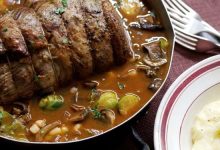
Indulge in the delicate balance of flavors and textures with this exquisite Japanese-inspired dish, featuring tender green asparagus wrapped in succulent ham, served atop a bed of perfectly cooked tagliatelle and enriched with a creamy, herb-infused sauce. This recipe embodies the elegance of simple ingredients transformed into a culinary masterpiece that appeals to the senses and impresses guests. Originating from the meticulous culinary traditions of Japan but embracing western pasta elements, this dish offers a harmonious fusion of East and West, symbolizing the art of fine cooking. Crafted for lovers of refined flavors and those seeking to elevate their dinner repertoire, this recipe provides a delightful experience that combines freshness, savory depth, and a touch of sophistication. Whether for a romantic dinner, a family gathering, or a special occasion, these Japanese-style steak rolls wrapped with asparagus will undoubtedly become a favorite in your repertoire. The Love With Recipes platform presents this comprehensive guide to help you master every step of the process, ensuring your dish turns out perfectly every time.
Needed Equipment
- Large cooking pot with lid – for boiling asparagus and pasta
- Fine-mesh strainer or slotted spoon – for removing asparagus from water
- Medium saucepan – for preparing the sauce
- Frying pan or skillet – for warming the sauce and assembling steak rolls
- Sharp chef’s knife – for trimming and cutting asparagus and herbs
- Cutting board – for prepping ingredients
- Measuring cups and spoons – for precise ingredient measurement
- Grater or microplane – for finely grating Parmesan
- Serving plates or dishes – to present the finished dish elegantly
- Kitchen tongs or fork – for manipulating ingredients during cooking
- Peeler – optional, for peeling asparagus if needed
- Fine sieve or cheesecloth – optional, for straining sauce if desired
Tags
- Japanese cuisine
- Asparagus recipes
- Pasta dishes
- Elegant dinner
- Herb-infused sauces
- Ham-wrapped vegetables
- Quick and easy recipes
- Family-friendly
- Spring seasonal dish
- Restaurant-quality at home
Serving Size
This recipe yields four servings, making it ideal for a dinner for family or friends. Each plate offers a generous portion of pasta topped with asparagus and sauce, complemented by the savory ham wraps and a sprinkle of Parmesan. Perfect for a main course that feels indulgent yet balanced, this recipe can be easily scaled up or down depending on your needs.

Difficulty Level
Intermediate. While the individual steps involve standard techniques such as boiling, sautéing, and assembling, attention to detail—especially in ensuring the asparagus is cooked perfectly and the sauce is well-balanced—is essential for a professional-looking and flavorful result. Home cooks comfortable with basic culinary skills should find this achievable with careful execution.
Allergen Information
- Contains gluten – from the pasta and Parmesan cheese
- Contains dairy – from the cream and Parmesan
- Contains pork – from prosciutto
Dietary Preference
This dish is suitable for omnivores and those who enjoy rich, savory flavors. It is not vegetarian or vegan due to the prosciutto and cheese components. For a vegetarian version, substitute prosciutto with grilled or roasted vegetables or plant-based wraps. For dairy-free adaptations, consider using dairy-free cream and cheese alternatives.
Course
Main course, ideal for dinner or a special lunch.
Cuisine
Fusion cuisine blending traditional Japanese ingredients with Western pasta techniques, with influences from Italian culinary traditions.
Ingredients
| Ingredient | Quantity |
|---|---|
| Tagliatelle pasta | 500 g |
| Green asparagus | 500 g |
| Spargel water (from boiling asparagus) | 150 ml |
| Butter | 3 tablespoons |
| Red onion, finely chopped | 2 medium-sized |
| Cream (Rahm) | 300 ml |
| Parmesan, finely grated | 2 tablespoons |
| Prosciutto (ham), torn into pieces | 150 g |
| Fresh chives, finely chopped | To taste |
| Fresh parsley, chopped | To taste |
| Salt and freshly ground pepper | To taste |
| Additional Parmesan for garnish | As needed |
| Sugar | A pinch |
| Lemon juice | A few drops |
Instructions
1. Prepare the asparagus
Begin by rinsing the asparagus thoroughly under cold running water. Using a vegetable peeler, peel the lower part of the asparagus stalks if they are particularly thick or woody, ensuring an even, tender texture throughout. Trim the woody ends of the asparagus, typically about 1-2 centimeters from the bottom, discarding these tough parts.
Set a large pot with salted water on the stove over medium-high heat. Add a teaspoon of sugar and a squeeze of lemon juice to the water to help retain the vibrant green color during boiling. Once the water comes to a rolling boil, carefully lower the asparagus into the water using tongs or a slotted spoon. Blanch the asparagus for approximately 4-6 minutes until they are tender yet still crisp (al dente). This precise timing is crucial to achieve the ideal consistency and prevent overcooking, which can lead to a loss of flavor and texture.
During the last minute of cooking, prepare a bowl filled with ice water. Once the asparagus is cooked, quickly transfer the stalks from the boiling water into the ice water bath to halt the cooking process and preserve the bright green color. After cooling for about 2-3 minutes, drain the asparagus and pat dry with a clean kitchen towel or paper towels. Set aside.
2. Reserve the asparagus water
Carefully pour the cooking water through a fine sieve or strainer to remove any residual solids. Measure out 150 ml of this water and set aside. This aromatic, subtly flavored water will be used later to enhance the sauce, imparting a delicate asparagus essence.
3. Prepare the sauce base
In a medium saucepan, melt the butter over medium heat until it begins to shimmer. Add the finely chopped red onion and sauté gently for about 3-4 minutes until the onions become translucent and soft, releasing their aromatic profile. Stir frequently to prevent browning or sticking.
Deglaze the pan by pouring in the reserved asparagus water, scraping the bottom of the pan with a wooden spoon to loosen any browned bits and mixing with the onions. Bring this mixture to a gentle simmer and reduce by about half to concentrate the flavors. This process should take approximately 3-5 minutes.
4. Incorporate cream and season
Reduce the heat to low and pour in the cream. Stir well to combine with the onion and asparagus-infused liquid, allowing the sauce to simmer briefly for about 2-3 minutes until it begins to thicken slightly. Be cautious not to boil vigorously, as cream can curdle if overheated. Season the sauce with salt and freshly ground pepper to taste, balancing the richness with a pinch of sugar and a few drops of lemon juice to enhance brightness.
5. Prepare the asparagus pieces and add to the sauce
Using a sharp knife, cut the cooled asparagus stalks into 2-3 centimeter segments. Gently fold these pieces into the sauce, ensuring even distribution. Add the torn prosciutto pieces and the chopped herbs—either chives or parsley—to the sauce, mixing thoroughly to infuse the flavors. Keep the sauce warm on low heat, stirring occasionally to prevent sticking or scorching.
6. Cook the pasta
Meanwhile, bring a large pot of salted water to a boil for the pasta. Add a generous pinch of salt and cook the tagliatelle according to package instructions, typically 8-10 minutes, until al dente—tender yet with a slight bite. Drain the pasta, reserving a small cup of pasta water in case you need to adjust the sauce’s consistency later.
7. Assemble and serve
Divide the cooked pasta evenly among four warm plates. Spoon the asparagus and sauce mixture generously over the pasta, ensuring each serving gets a pleasing amount of sauce and toppings. Finish each plate by sprinkling freshly grated Parmesan cheese over the top and garnishing with additional chopped herbs or a light grind of black pepper from the pepper mill. Serve immediately to enjoy the full flavors and the warm, comforting texture of this elegant dish.
Preparation Tips
- Peeling asparagus: Peeling thick asparagus stalks helps make them more tender and improves presentation. Use a vegetable peeler to remove the outer layer starting just below the tips and downward.
- Cooking pasta: Always salt your water generously—this is your best chance to flavor the pasta. Test the doneness by tasting a strand before draining.
- Sauce consistency: If the sauce becomes too thick, loosen it with a tablespoon of reserved pasta water. Conversely, if too thin, simmer for a few more minutes to reduce.
- Herb freshness: Use fresh herbs for the best flavor. Chop herbs just before adding to preserve their aromatic oils.
Nutritional Information
| Nutrient | Per Serving |
|---|---|
| Calories | Approx. 620 kcal |
| Protein | 20 g |
| Carbohydrates | 81 g |
| Fats | 22 g |
| Saturated Fat | 10 g |
| Fiber | 7 g |
| Sugar | 8 g |
| Sodium | 550 mg |
Tips and Tricks
- Timing is key: Prepare your ingredients in advance so you can quickly assemble the dish once the pasta is cooked. This ensures everything remains hot and fresh.
- Quality ingredients: Use fresh, vibrant green asparagus and well-aged Parmesan for maximum flavor. Prosciutto should be thinly sliced for a delicate texture.
- Enhance the sauce: For an extra layer of richness, add a splash of white wine when deglazing the pan during the sauce preparation.
- Presentation: Garnish with more herbs or a lemon zest twist for added color and aroma.
Add-ons and Variations
- Cheese variations: Incorporate Gruyère or fontina cheese into the sauce for a different flavor profile.
- Protein tweaks: Replace prosciutto with smoked salmon or cooked chicken slices for variety.
- Vegetarian option: Substitute prosciutto with grilled zucchini or roasted cherry tomatoes.
- Spice it up: Add a pinch of red pepper flakes to the sauce for a subtle heat.
Side Dishes
- Light mixed greens salad with lemon vinaigrette
- Garlic bread or herb-infused breadsticks
- Steamed broccoli or green beans
- Tomato and mozzarella caprese salad
- Pickled vegetables or antipasto platter for variety
Improvements
- Use homemade pasta for an authentic touch and superior texture.
- Infuse the cream with additional flavors by adding a sprig of thyme or a bay leaf during simmering, then removing before serving.
- Try roasting the asparagus briefly for a smoky flavor before incorporating into the sauce.
- Finish with a drizzle of high-quality extra virgin olive oil for extra richness and glossiness.
- Experiment with different herbs, such as basil or tarragon, to customize the flavor profile.
Save and Store
This dish is best enjoyed immediately while hot. However, leftovers can be stored in an airtight container in the refrigerator for up to one day. To reheat, gently warm the pasta in a saucepan over low heat, adding a splash of reserved pasta water or cream to restore the sauce’s creaminess. Avoid microwaving for long periods, as it can cause the cream to separate. For best results, reheat gently and serve promptly.
If you wish to prepare this dish in advance for an event, assemble the pasta and sauce separately, refrigerate, and combine just before serving. Add fresh herbs and Parmesan after reheating for optimal flavor.
FAQ
Can I make this dish vegetarian?
Yes, simply omit the prosciutto or replace it with grilled vegetables such as zucchini, bell peppers, or roasted cherry tomatoes to add flavor and texture.
Can I replace cream with a dairy-free alternative?
Certainly. Use coconut cream, cashew cream, or any plant-based cream substitutes. Adjust seasoning as needed, as some alternatives may have a stronger flavor.
How do I ensure the asparagus remains crisp-tender?
Pay close attention to timing—boil only until tender but still firm (al dente). Immediately transfer to ice water to halt cooking and keep the bright green color. Overcooking leads to mushiness and loss of flavor.
What wine pairs well with this dish?
A crisp dry white wine such as Sauvignon Blanc or Pinot Grigio complements the lightness of the asparagus and the richness of the cream sauce, enhancing the overall dining experience.
Can I prepare components ahead of time?
Yes. You can blanch and peel the asparagus, prepare the sauce, and cook the pasta separately in advance. Keep everything refrigerated and assemble just before serving to maintain freshness and flavor.
Conclusion
This Japanese-inspired pasta dish with asparagus and prosciutto is a celebration of fresh ingredients and simple techniques that yield an elegant, satisfying meal. The harmonious blend of flavors, the delicate texture of the asparagus, and the creamy herb sauce make it suitable for special occasions yet straightforward enough for everyday dining. Mastering this recipe from start to finish will elevate your cooking repertoire and impress anyone fortunate enough to share this meal with you. Remember, choosing high-quality ingredients and paying attention to timing are key to achieving restaurant-quality results at home. This recipe, featured on Love With Recipes, offers a step-by-step approach to creating a visually stunning and flavorful dish that captures the essence of refined comfort food. Enjoy every bite and savor the culinary journey.