Introduction
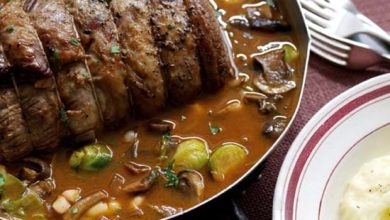
Welcome to Love With Recipes, your ultimate culinary companion where we dive deep into the art and science of crafting perfect dishes. Today, we explore a refined and delicious recipe that combines succulent pork tenderloin with a tangy, slightly sweet rhubarb sauce accented by green peppercorns. This dish, known in German as “Schweinefilet Normandie,” showcases a beautiful harmony of flavors—tender meat juxtaposed with the bright, fresh, and slightly acidic notes of rhubarb, complemented by aromatic green pepper. The goal here is to master a balance—not only in flavors but also in technique—to elevate your cooking skills and impress guests or family alike.
This dish is ideal for those who appreciate sophisticated flavors with a touch of fruitiness, and it pairs perfectly with simple side dishes like boiled potatoes, allowing the main ingredients to shine. The preparation involves careful searing of the pork, skillful handling of the rhubarb, and a deft touch in creating a luscious, well-balanced sauce. With patience and attention to detail, you’ll recreate a culinary masterpiece inspired by French cuisine but rooted in German culinary traditions.

On Love With Recipes, we emphasize clarity, technique, and flavor, ensuring each step is accessible yet precise. So, gather your ingredients, prep your equipment, and let’s begin this culinary journey into a dish that captures the essence of Normandy with a modern twist.
Needed Equipment
- Heavy-bottomed frying pan or skillet
- Sharp chef’s knife
- Cutting board
- Measuring spoons and cups
- Cooking spoon or spatula
- Tongs
- Plate for resting meat
- Small saucepan (for sauce preparation)
- Grater or garlic press (if needed)
- Kitchen thermometer (optional but recommended)
- Paper towels
- Serving plates
- Cooking brush (if necessary for oil application)
Tags
- Pork Tenderloin
- RhubaBarb
- French Cuisine
- Elegant Main Course
- Fragrant Sauces
- Gourmet
- Easy to Prepare
- Family Friendly
- Gluten-Free (if thickening agents are gluten-free)
Serving Size
This recipe is designed to serve four portions. Each serving contains one pork tenderloin cut, complemented by a generous portion of rhubarb sauce, ideal for family dinners, romantic evenings, or small dinner parties where presentation and flavor matter.
Difficulty Level
Intermediate. While the techniques involved are standard—searing meat, preparing a fruit-based sauce, and balancing flavors—the key lies in timing and temperature control. Practice patience, and don’t rush through the searing or reduction stages to ensure maximum flavor and texture.
Allergen Information
- Contains none of the top 8 allergens (milk, eggs, fish, shellfish, tree nuts, peanuts, wheat, soy).
- Potential cross-contamination depending on equipment used—ensure proper cleaning if preparing for allergy-sensitive individuals.
- Gluten-free if using gluten-free thickening agents.
Dietary Preference
- Gluten-Free: Yes, if using appropriate thickening agents.
- Kosher: Check meat sourcing and certification.
- Halal: Confirm pork origin or substitute with appropriate halal meat if necessary.
- Low-carb/Keto: Yes, with minor modifications (e.g., substituting sugar with erythritol).
Course
Main course, suitable for dinner or special occasions.
Cuisine
German-inspired with French culinary influences, emphasizing refined flavors and techniques.
Ingredients
| Ingredient | Quantity | Details |
|---|---|---|
| Putenschnitzel (Pork tenderloin medallions) | 4 pieces | Approx. 150 g each |
| Oil (for frying) | 4 tbsp | Vegetable or neutral oil |
| Freshly ground black pepper | To taste | |
| Salt | To taste | |
| Rhubarb | 250 g | Fresh, washed, and trimmed |
| Sugar | 30 g | Granulated |
| Beef or veal stock (Rinderfond) | 1 glass (~200 ml) | Homemade or store-bought |
| Green peppercorns (pickled) | 1 tsp | Use the brine or drained peppercorns |
| Lighter sauce thickener (Saucenbinder) | 2 tbsp | Choose gluten-free if necessary |
Instructions
Step 1: Preparing the Pork Tenderloin
Begin by ensuring your pork tenderloin is at room temperature. Remove it from packaging, pat dry with paper towels to eliminate excess moisture, which will promote an even sear and caramelization. Season generously with salt and freshly ground black pepper on both sides. This initial seasoning forms the foundation of flavor—don’t be shy with the salt, as it penetrates the meat during cooking, enhancing juiciness and taste.
Preheat a heavy-bottomed frying pan over medium-high heat. Add approximately 2 tablespoons of oil, ensuring the surface is evenly coated. When the oil begins to shimmer and just starts to smoke lightly, it’s ready for the meat. Place the pork tenderloin medallions carefully into the pan, laying them away from you to prevent oil splatters. Do not overcrowd the pan—if necessary, cook in batches to maintain the temperature and achieve a proper sear.
Cook each side for about 2-3 minutes until golden-brown, turning with tongs or a spatula for even color formation. Using a temperature probe, aim for an internal temperature of approximately 63°C (145°F) for medium doneness. Once cooked, transfer the meat to a warm plate and cover loosely with aluminum foil or a clean kitchen towel to rest. Resting allows juices to redistribute, ensuring each bite remains moist and tender.
Step 2: Preparing the Rhubarb and the Sauce Base
While the pork rests, prepare the rhubarb. Wash thoroughly under cold running water, then trim off the leaves and any tough ends. Slice the stalks crosswise into narrow, diagonal or straight slices approximately 1-2 cm thick. This size ensures even cooking and maintains a balance between texture and flavor.
In the same pan used for the pork, discard any excess oil, retaining just a little for flavor. Reheat the pan over medium heat. Add the sugar and allow it to caramelize gently—watch carefully to prevent burning. The sugar will melt and turn a golden amber color, releasing a delightful aroma. Stir occasionally to promote even caramelization.
Once the sugar reaches the desired amber hue, add the rhubarb slices immediately. Stir well to coat the rhubarb in the caramel. Cook for about 1-2 minutes until the rhubarb begins to soften and release its juices. This brief sauté heightens the flavor and prepares the fruit for pairing with the sauce components.
Step 3: Creating the Rhubarb Sauce
Deglaze the pan with the glass of beef or veal stock. Scrape the bottom of the pan with a wooden spoon or spatula to loosen any caramelized bits—these add depth and richness to your sauce. Bring the mixture to a gentle simmer, stirring continuously until the caramel dissolves completely into the stock. This step ensures a smooth, cohesive sauce base.
Add the finely chopped green pickled peppercorns (or drained whole peppercorns if preferred) into the simmering sauce. Use a sharp knife or herb chopper to finely chop the peppercorns, releasing their aromatic oils and pungency. Stir to combine, allowing the pepper flavor to infuse the sauce.
Simmer the sauce for another 3-5 minutes, during which the rhubarb will soften further, and the flavors meld beautifully. Taste and adjust the seasoning with additional salt or pepper if necessary. To achieve a thicker sauce, sprinkle the saucenbinder evenly over the mixture, stirring vigorously to incorporate. Continue to simmer until the sauce reaches your desired consistency—slightly thickened but still pourable.
Step 4: Assembling the Dish & Final Touches
Return the rested pork tenderloin medallions to the pan with the sauce or arrange them on serving plates. Spoon the hot rhubarb sauce generously over the meat, ensuring each slice is coated with the luscious mixture. Garnish with additional freshly ground black pepper or a sprig of fresh herbs like parsley or thyme for a visual and flavor boost.
Serve immediately, accompanied by classic boiled potatoes sprinkled with a touch of salt or a simple side salad for a complete and satisfying meal.
Preparation Tips
- Ensure pork is at room temperature before cooking for even searing and consistent internal temperature.
- Do not overcrowd the pan; this prevents proper browning and searing. Cook in batches if needed.
- Rest meat for at least 5 minutes before slicing to allow juices to redistribute.
- Adjust the sweetness or acidity of the sauce based on your preference—add more sugar if the rhubarb is particularly tart.
- Use a thermometer for precise control of meat doneness and to avoid overcooking.
Nutritional Information
| Nutrient | Per Serving | Details / Notes |
|---|---|---|
| Calories | Approx. 350 kcal | Dependent on meat and sauce quantities |
| Protein | Approx. 30 g | Pork tenderloin is rich in high-quality protein |
| Fat | Approx. 12 g | Primarily from cooking oil and meat |
| Carbohydrates | Approx. 20 g | From sugar and rhubarb |
| Fiber | Approx. 3 g | From rhubarb |
| Sodium | Approx. 300 mg | Depends on stock and seasoning |
Tips and Tricks
- Use a high-quality meat thermometer to achieve perfect doneness without guesswork.
- Experiment with sweeteners—try honey or maple syrup instead of sugar for varied flavor profiles.
- For a more refined presentation, slice the pork into medallions after resting and arrange artfully with sauce dotted around.
- If you prefer a more piquant sauce, add a splash of lemon juice or vinegar at the end of cooking.
- Upgrade the dish by adding a splash of cream or butter to the sauce for a richer texture.
Add-ons and Variations
- Incorporate chopped fresh herbs like thyme or rosemary into the sauce for aromatic complexity.
- Replace green peppercorns with black or pink peppercorns for different flavor notes.
- Introduce other fruits such as apple slices or apricots for a different fruity element.
- Create a vegetarian version by substituting pork with hearty vegetables like eggplant or mushrooms, cooked similarly.
Side Dishes
- Boiled baby potatoes or new potatoes with a pat of butter
- Steamed green beans or asparagus with lemon zest
- Mixed green salad with vinaigrette
- Crusty baguette or artisan bread
- Roasted root vegetables for added earthiness
Improvements
- For an extra layer of flavor, marinate the pork in herbs, garlic, and olive oil for a few hours before cooking.
- Add a splash of white wine during the deglazing step for a different aromatic profile.
- Use homemade stock for a richer, more complex sauce.
- Finish the sauce with a small knob of butter for gloss and richness.
Save and Store
Leftover pork and sauce can be stored separately in airtight containers in the refrigerator for up to 2 days. Reheat gently in a pan over low heat, adding a splash of stock or water if necessary to loosen the sauce. For longer storage, freeze portions in freezer-safe containers for up to a month. Thaw overnight in the refrigerator before reheating. Note that rhubarb sauce is best enjoyed fresh but can be refrigerated for up to 2 days with minimal loss of flavor or texture.
FAQ
Can I prepare this dish ahead of time?
While the pork is best cooked fresh to retain its tenderness, the sauce can be prepared a few hours in advance. Reheat gently, adjusting the consistency as needed before serving.
Can I substitute the pork tenderloin with another cut of meat?
Pork loin or even chicken breast can be used, but cooking times and methods will vary. Pork tenderloin offers a tender, lean option ideal for this dish.
What if I can’t find green peppercorns?
Black or pink peppercorns are acceptable substitutes, but green peppercorns add a milder and fresher flavor profile that complements the dish well.
Can I make this dish vegan?
Yes. Substitute the pork with hearty vegetables like eggplant or mushrooms, and replace beef stock with vegetable broth. Adjust seasonings accordingly.
Conclusion
The Schweinefilet Normandie exemplifies a sophisticated approach to classic German and French-inspired cuisine, blending tender meat with a fruit-infused sauce that balances acidity and sweetness. Mastering this recipe involves precision in searing, timing in sauce preparation, and finesse in balancing flavors. The result is a stunning main course with complex layers that will impress both family and guests.
By honing your technique with this detailed guide, you’ll develop a deeper understanding of ingredient interactions and cooking principles, setting a foundation for exploring more refined culinary creations. Remember, practice makes perfect—so don’t hesitate to experiment with variations and enhancements that suit your taste. Enjoy the process, and savor every bite of your homemade Schweinefilet Normandie, a testament to your culinary skill and love of good food, shared here on Love With Recipes!