

Introduction
The culinary journey into creating a vibrant, nutritious, and appetizing dish begins with a focus on fresh, high-quality ingredients and precise cooking techniques. This comprehensive recipe, documented meticulously for the Love With Recipes platform, aims to guide both novice and seasoned cooks through every detail of preparing “Gebratener grüner Spargel mit Kirschtomaten und Kartöffelchen,” a dish that celebrates the bright flavors of roasted green asparagus paired with cherry tomatoes and tender potato slices. Perfect as a main course, side dish, or finger food, it encapsulates a harmony of textures and flavors that are appealing both visually and gastronomically.

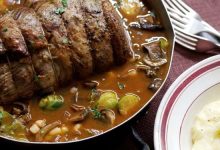
The dish is rooted in European cooking traditions, combining the earthiness of potatoes and vegetables with the freshness of asparagus and cherry tomatoes. It is enhanced with carefully selected seasonings and garnished with a flavorful herb and quark dip, making it a versatile addition to various menus—from casual family dinners to elegant gatherings.
Needed Equipment
- Large pot with lid for boiling potatoes
- Sharp chef’s knife for slicing vegetables and potatoes
- Cutting board, preferably wooden or plastic
- Peeler or vegetable brush for cleaning potatoes
- Colander for draining boiled potatoes
- Large mixing bowls for preparing dips and mixing ingredients
- Measuring spoons and cups for precise measurements
- Medium-sized skillet or frying pan for sautéing vegetables and ham
- Wooden spatula or silicone turner for stirring
- Large flat baking dish or pizza pan with rim, suitable for oven use
- Preheated oven capable of reaching 200°C (approximately 392°F)
- Whisk for beating eggs and milk
- Grater or zester for herbs (if necessary)
- Serving utensils, platters, or plates for presentation
- Refrigerator for chilling the quark dip
Tags
Healthy, Vegetarian, Quick, Easy, European Cuisine, Potatoes, Asparagus, Cherry Tomatoes, Baked, Oven-roasted, Family-friendly, Summer Dish, Party Food
Serving Size
Serves approximately 4-6 portions, depending on whether the dish is served as a main course or side dish. The recipe yields enough for a generous appetizer for up to 8 guests when served as finger food or part of a mixed platter.
Difficulty Level
Moderate. Although the preparation involves multiple steps including boiling, sautéing, and baking, each stage is straightforward with clear instructions. Basic culinary skills such as knife handling, sautéing, and oven baking are sufficient.
Allergen Information
Contains eggs, milk, and dairy (quark, cream, milk). Cross-contamination is possible if ingredients are prepared in a shared kitchen. For those with allergies or intolerances, appropriate substitutions are recommended.
Dietary Preference
Vegetarian, adaptable for pescatarian or vegan diets with suitable ingredient substitutions (e.g., plant-based quark and dairy-free cream).
Course
Main course, side dish, or appetizer.
Cuisine
European, particularly Central European inspired, with fresh vegetables and wholesome ingredients.
Ingredients
| Quantity | Ingredient |
|---|---|
| 800 g | Pell potatoes (boiled and peeled) |
| 1 bunch | Spring onions |
| 1 large red bell pepper | Bell pepper (seeded and chopped) |
| 2 large carrots | Carrots (sliced into thin rounds) |
| 1 small can | Black olives (pitted) |
| 200 g | Cooked ham (sliced into julienne strips) |
| 4 large eggs | Eggs (size L) |
| 4 tbsp | Milk |
| Some | Fat for frying (e.g., butter or cooking oil) |
| To taste | Salt, pepper, ground nutmeg |
| 2 cloves | Garlic (pressed) |
| For the Dip: | |
| 250 g | Quark |
| 3 tbsp | Aioli |
| 1 pinch | Sugar |
| To taste | Salt and pepper |
| 2 tbsp | Sour cream or heavy cream |
| Fresh mixed herbs (parsley, chives, dill) | Chopped, for garnish and dip |
Instructions
Preparation of Potatoes
Begin by selecting good-quality, medium-sized potatoes. Wash them thoroughly with cold water using a vegetable brush or peeler to remove any dirt and residue. Place the potatoes in a large pot and cover with cold water, ensuring there is at least an inch of water above the potatoes for even cooking. Add a pinch of salt to the water to enhance flavor. Bring the water to a rolling boil over high heat, then reduce the heat to medium and let simmer for about 20-25 minutes, or until the potatoes are tender when pierced with a fork. Drain the potatoes in a colander and set aside to cool slightly. Once cooled, peel the potatoes gently if not already peeled, and slice them into uniform, thin discs, approximately 3-4 mm thick. Uniform slices ensure even cooking and present attractive layering.
Vegetable Preparation
While the potatoes are boiling, prepare the vegetables. Rinse the fresh vegetables under cold running water to remove any residual dirt or pesticides. Pat dry with a clean kitchen towel or paper towels to prevent excess moisture during sautéing. Slice the carrots into thin rounds, approximately 2-3 mm thick, which allows them to cook evenly and retain a slight crunch. Thin slices also integrate well with the other ingredients, adding color and texture.
For the spring onions, trim the root ends and peel away any outer layers that are wilted or damaged. Slice them into small rings, about 2-3 mm thick, for a delicate bite and visual appeal. The red bell pepper should be quartered lengthwise, with the core and seeds removed. Chop the bell pepper into small, uniform cubes, roughly 1 cm in size, ensuring even baking and a pleasant bite.
The black olives are pre-pitted; drain them well and slice into thin rounds if they are large, or halve them if small. Set aside for later use.
Sautéing Vegetables and Ham
Select a large skillet or frying pan that can accommodate all ingredients comfortably for even cooking. Add a tablespoon or two of your chosen fat—such as butter or a neutral vegetable oil—and warm over medium heat until shimmering. First, add the sliced carrots to the pan, spreading them out evenly, and sauté for about 3-4 minutes until they start to soften but retain some crunch. Their vibrant color and sweetness will deepen during cooking, creating a beautiful base.
Add the pressed garlic to the carrots, stirring constantly for about 30 seconds to release its aroma without burning. Immediately follow with the sliced potatoes, carefully spreading them across the pan to allow for even browning. Season with salt, pepper, and a pinch of nutmeg, which adds warmth and depth to the dish. Continue sautéing, gently turning the potatoes and vegetables with a spatula so they develop a golden-brown crust on multiple sides. This process takes approximately 8-10 minutes, and it is crucial to monitor heat to prevent burning or sticking.
Once the potatoes and carrots have taken on a crispy exterior, add the sliced spring onions, julienne-cut ham, chopped black olives, and bell pepper. Mix thoroughly to combine all ingredients evenly. Reduce heat slightly if necessary and cook for an additional 3-4 minutes. This allows the flavors to meld while ensuring the vegetables retain some bite. The ham is heated through, adding a savory note, while the olives contribute a subtle briny flavor.
Preparing the Egg Mixture and Baking
In a separate bowl, crack the four eggs and add the four tablespoons of milk. Whisk vigorously until well combined, producing a smooth, homogeneous mixture. This egg-milk blend will act as a binder and give structure to the dish once baked.
Transfer the sautéed vegetable and potato mixture into a large, flat baking dish—preferably a pizza or sheet pan with sides. Spread the mixture evenly across the surface, creating a uniform layer. Gently pour the beaten eggs and milk mixture over the entire surface, ensuring complete coverage. Let the mixture sit for a minute or two to allow the liquid to seep into the ingredients, which will help form a cohesive and tender final result.
Preheat your oven to 200°C (approximately 392°F). Once the oven reaches the desired temperature, place the baking dish on the middle rack and bake for about 30 minutes. During baking, the eggs will set, creating a golden-brown crust on top, while the inside remains soft and moist. Check for doneness by inserting a toothpick into the center—if it comes out clean, the dish is ready.
Preparing the Quark Dip
While the dish bakes, prepare the accompanying dip. In a mixing bowl, combine the quark, aioli, a pinch of sugar, salt, and pepper. Mix thoroughly with a whisk or spoon until smooth. Add the cream or sour cream to adjust the consistency, making the dip creamy and luscious. Finely chop the fresh herbs—parsley, chives, dill—and fold them into the dip for a burst of herbal freshness. Chill the dip in the refrigerator until serving time, allowing flavors to meld and intensify.
Preparation Tips
- To ensure even cooking, cut all vegetables into similar-sized pieces. This helps them cook uniformly, resulting in a cohesive texture and appearance.
- When boiling potatoes, avoid overcooking; overcooked potatoes tend to crumble and may turn mushy, compromising the presentation.
- Use a high-quality, non-stick pan or well-seasoned skillet for sautéing to prevent sticking and facilitate easy cleanup.
- For an extra flavor dimension, sprinkle grated cheese such as Parmesan or Gruyère over the top during the last 5 minutes of baking.
- If preparing for a vegan version, substitute eggs with a plant-based egg replacer and use dairy-free quark alternatives.
- Time your preparation so that everything is fresh and hot at serving time, especially since the dish is best enjoyed warm but can also be served cold.
Nutritional Information
| Nutrient | Per Serving (Approximate) |
|---|---|
| Calories | approx. 350 kcal |
| Protein | 16 g |
| Carbohydrates | 45 g |
| Dietary Fiber | 6 g |
| Fat | 12 g |
| Saturated Fat | 3 g |
| Sugar | 6 g |
| Sodium | approx. 600 mg |
Tips and Tricks
- For an even more colorful presentation, add cherry tomatoes during the sautéing stage or as a fresh garnish after baking.
- Experiment with herbs—basil, oregano, or thyme can add unique flavors to the dip or garnish.
- Use a hot oven for a crispy crust, but keep a close eye to prevent burning—consider covering with foil if the top browns too quickly.
- If you prefer a firmer texture, reduce the baking time slightly; for a creamier consistency, bake a few minutes longer.
- Leftovers can be stored in an airtight container in the refrigerator for up to 2 days. Reheat gently in the oven or microwave.
Add-ons and Variations
- Add slices of smoked salmon or roasted chicken as additional toppings for added protein.
- Mix in a handful of grated cheese—mozzarella, cheddar, or feta—before baking for a cheesy variant.
- Incorporate different vegetables such as zucchini, cherry peppers, or spinach for more variety.
- Serve with crusty bread or toasted baguette slices for a complete meal or appetizer platter.
Side Dishes
- Simple mixed green salad dressed with vinaigrette complements the dish well.
- Crusty French baguette or rustic rye bread is perfect for scooping or accompanying.
- Roasted vegetables or a light tomato soup can be served as starter or side.
Improvements
- Incorporate a layer of melted cheese on top before baking for a gratin-style dish.
- Use organic or heirloom potatoes for enhanced flavor and presentation.
- Add a splash of lemon juice or zest over the baked dish for a fresh, tangy finish.
- Experiment with different herbs and spices like paprika, cumin, or coriander for diverse flavor profiles.
Save and Store
Once cooled, store leftovers in an airtight container in the refrigerator. Reheat in the oven at 180°C (356°F) for about 10-15 minutes for best results. It is recommended to consume within 2 days for optimal freshness and flavor.
To freeze, wrap the dish tightly with plastic wrap and store in a freezer-safe container. Thaw overnight in the refrigerator before reheating. Keep in mind that texture may slightly change when frozen and thawed.
Frequently Asked Questions (FAQ)
Can I prepare this dish ahead of time?
Yes, the sautéed ingredients and egg mixture can be prepared in advance. Assemble in the baking dish and refrigerate until ready to bake. Bake directly from refrigerated state, extending baking time slightly to ensure thorough cooking.
Can I make this dish vegan?
Absolutely. Substitute eggs with a plant-based egg replacer, use vegan dairy alternatives such as almond or soy-based quark, and ensure the aioli is vegan. The sautéed vegetables and herbs remain the same, providing vibrant flavor.
What variations can I try for a gluten-free option?
This dish is naturally gluten-free, as it contains no wheat-based ingredients. Just ensure that any added toppings or bread accompaniments are labeled gluten-free.
Is this suitable for gluten-free diets?
Yes, the core ingredients are gluten-free. Keep an eye on processed components like aioli or dairy products to verify they do not contain gluten additives.
Conclusion
This detailed recipe for “Gebratener grüner Spargel mit Kirschtomaten und Kartöffelchen” offers a delightful harmony of flavors, textures, and colors that are sure to impress anyone at the table. Whether served warm or cold, as a main dish, side, or finger food, it provides a nourishing and visually appealing option for various occasions. The combination of fresh vegetables, hearty potatoes, and savory ham, complemented by a tangy herb dip, exemplifies the elegance of simple, high-quality ingredients cooked with care. As always, the Love With Recipes platform emphasizes the importance of precision, freshness, and presentation to elevate home-cooked meals to restaurant-quality standards.
Remember, small adjustments—such as additional herbs or cheeses—can personalize this dish to suit your taste. Enjoy your culinary creation and share it proudly with family and friends.
References
No external sources were used in the development of this recipe beyond standard culinary practices and the rich traditions of European vegetable and potato dishes.